
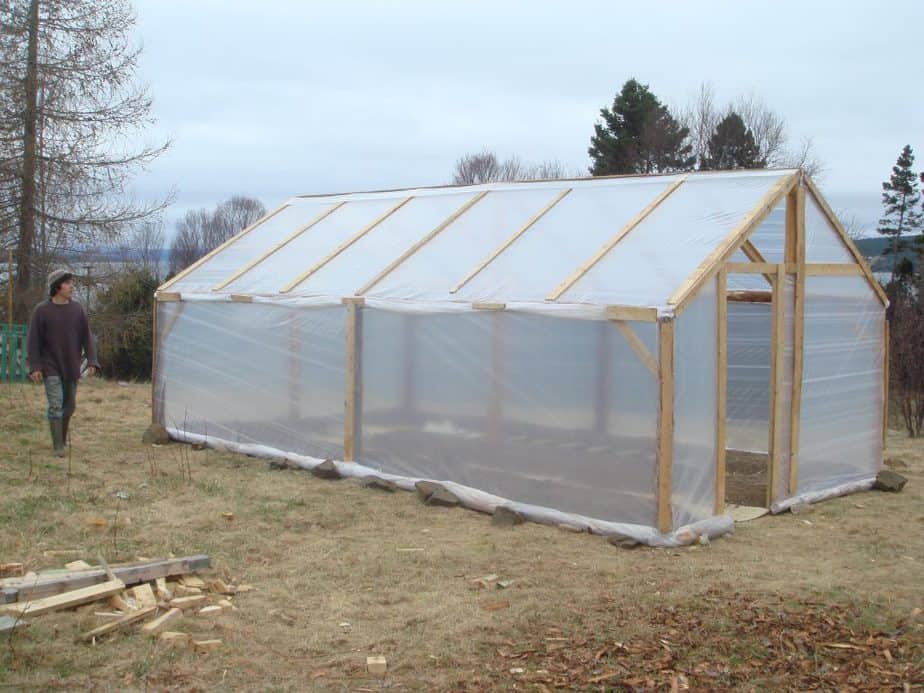
Greenhouses have long captivated the interest of gardeners and horticulturists by providing controlled environments for the nurturing of plants. Among the myriad of construction choices, clear plastic roof panels have emerged as a common solution, engendering both admiration and skepticism. So, what are the true pros and cons of utilizing these panels? Let’s explore the multifaceted implications of clear plastic roof panels in greenhouse design, highlighting their attractiveness while also addressing potential drawbacks.
Understanding the composition of clear plastic roof panels is crucial to comprehending their practical applications. Typically, these panels can be made from materials such as polycarbonate or PVC. Each material has its unique properties, providing varied benefits. As you consider incorporating clear plastic panels, it is essential to delve into various attributes, including light transmission, insulation, and durability.
Natural Light: A Gardener’s Best Ally
One of the most compelling advantages of clear plastic roof panels is their exceptional light transmission capabilities. Natural light is imperative for plant growth; plants depend on photosynthesis to thrive, making the transmission of sunlight through the greenhouse roof essential. Clear plastic provides remarkably high light transmittance, often exceeding 90%. This quality can lead to healthier, more vigorous plants, as they receive optimal sunlight throughout the day.
Moreover, clear plastic panels diffuse light, which protects tender foliage from intense sun exposure. This gentle dispersal minimizes the risk of scorching and offers an ideal environment for seedlings and sensitive plants. The ability to maximize daylight while preventing harsh rays fosters an enriching growth atmosphere, leading to potentially bountiful harvests.
Energy Efficiency: Whispers of Sustainability
Another noteworthy advantage is the energy efficiency provided by clear plastic roof panels. Many of these materials possess excellent insulation properties. This means they can retain heat during cooler temperatures while repelling excess warmth during hotter seasons. The duality of temperature regulation can enable growers to extend their growing seasons dramatically, ultimately leading to increased productivity.
By maintaining a consistent temperature, clear plastic panels reduce the necessity for additional heating or cooling systems. Not only does this make the greenhouse more eco-friendly, but it also lessens operating costs. The inherent energy efficiency of these panels is a substantial draw for those inclined toward sustainable practices, paving the way for a more environmentally responsible approach in agriculture.
Durability: Weathering the Elements
While the transparent allure of plastic panels may suggest fragility, the reality is far from it. Many of these panels are designed to withstand harsh weather conditions, including hail, snow, and wind. Polycarbonate panels, for instance, are known for their remarkable strength, often surpassing that of traditional glass. Their impact resistance makes them an excellent choice for areas prone to extreme weather.
What’s more, these plastic panels are lightweight, which eases installation and maintenance. Unlike glass, which can be cumbersome and requires reinforcements, clear plastic panels can be easily handled and mounted. This practicality complements their durability, resulting in a long-term greenhouse investment that can withstand the tests of time.
Addressing the Flip Side: Potential Drawbacks
Despite their numerous advantages, clear plastic roof panels also exhibit certain drawbacks worthy of consideration. One significant concern revolves around UV degradation. Over time, exposure to ultraviolet rays can lead to discoloration and brittleness in plastic materials. Although many manufacturers offer UV-resistant coatings, degradation remains a valid concern, particularly for long-term applications.
In addition to sunlight’s erosive effects, clear plastic panels can also be less acoustically insulating than glass. This quality can be particularly troublesome in areas where noise pollution is prevalent. The sounds from outside can infiltrate the greenhouse, potentially disrupting the tranquil environment required for optimal plant growth and maintenance.
Finally, maintenance poses another notable challenge. While clear plastic panels are easier to install, they may require more frequent cleaning compared to glass. Dust, algae, and other residues can accumulate on the surface, which can obstruct light transmission. This demands regular attention to ensure the panels remain effective as sunlight conduits.
Making an Informed Decision
When contemplating the use of clear plastic roof panels in your greenhouse, it is critical to weigh both their advantages and disadvantages carefully. These panels excel at providing abundant natural light, showcasing energy efficiency, and enduring the rigors of inclement weather. However, be mindful of potential issues related to UV degradation, noise infiltration, and maintenance demands.
As gardeners and horticulturists delve into the extensive nuances of greenhouse design, the choice to employ clear plastic roof panels emerges as a fascinating intersection of functionality and aesthetics. By understanding the complexity of these materials, one can unlock the full potential of their greenhouse, fostering a lush oasis of growth and productivity.





Leave a Comment