
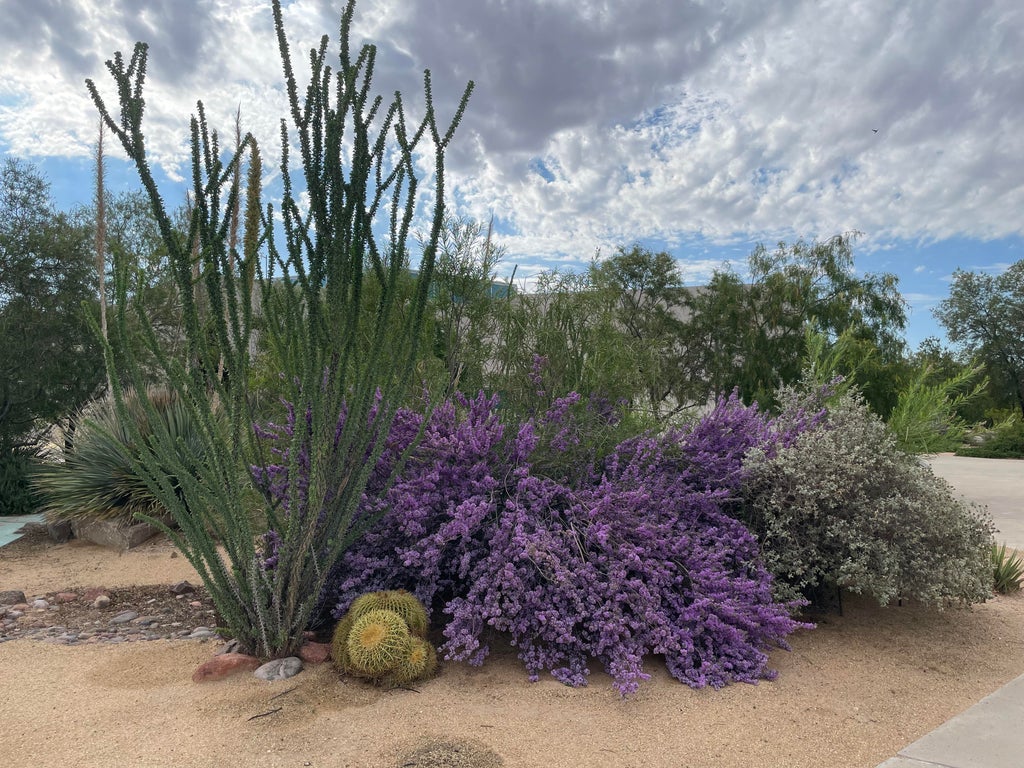
El Paso, Texas, with its arid landscapes, is renowned for a plethora of fascinating desert plants that not only survive but thrive in the harsh climate. The region’s high temperatures and minimal rainfall create a unique environment, pushing flora to adapt in remarkable ways. As you traverse this striking desert scenery, can you imagine what life would be like without these resilient plants? What challenges might they face in their quest for survival?
Exploring the diversity of desert plants in El Paso reveals a vibrant ecosystem that offers beauty and intrigue. Each plant species possesses extraordinary adaptations that allow it to flourish in extreme conditions. This article delves into notable plants you can spot in El Paso, emphasizing their unique characteristics and contributions to the environment.
Desert Cacti: Stalwarts of the Arid Landscape
One cannot discuss desert plants without highlighting the iconic cacti species that dominate the landscape of El Paso. The quintessential representatives of desert flora, cacti are more than just a striking visual element; they play a pivotal role in their ecosystems.
The Saguaro Cactus, with its impressive stature and distinctive appearance, is perhaps the most recognizable species to residents and visitors alike. This colossal cactus can live for over 150 years and can grow to heights of up to 40 feet. It’s a slow-growing plant, and its arms, or “branches,” typically begin to appear after reaching around 50 years of age. An intriguing fact about the Saguaro is its ability to store vast amounts of water in its fleshy tissues, allowing it to survive prolonged drought periods. In winter, the Saguaro blossoms with beautiful white flowers, attracting pollinators like bats and bees, thereby sustaining the local ecosystem.
Another remarkable example is the Organ Pipe Cactus. Its unique structure resembles vertical, cylindrical arms radiating from a central base. This cacti species usually grows in clusters, creating striking formations against the desert backdrop. The Organ Pipe requires relatively cooler temperatures, making the habitats of southwest Texas ideal for its growth. With symbiotic relationships with pollinators, such as hummingbirds, the Organ Pipe contributes significantly to the area’s biodiversity.
Peculiar Shrubs: Hidden Treasures of the Desert
Beyond the towering cacti, El Paso is home to a range of resilient shrubs that have adapted their structures to combat water loss. Among these is the Creosote Bush, which is ubiquitous in the Southwest. Known for its characteristic aroma, especially after rainfall, this bush possesses small, waxy leaves that help retain moisture. The Creosote Bush can survive for more than two years without water, a testament to its marvel of adaptation. This shrub also produces a wealth of compounds that exude from its leaves and roots, preventing the growth of competing vegetation and allowing it to dominate its surroundings.
Another fascinating shrub is the Desert Sage. This plant not only contributes to the aesthetic appeal of the region but also holds medicinal significance. The Desert Sage features long, narrow leaves and striking purple flowers that attract various pollinators. Traditional uses of the plant include remedies for various ailments, demonstrating its importance beyond just visual splendor. Its tolerance to drought and poor soils makes it a tenacious participant in the desert biome.
Succulents: Nature’s Water Savers
In the realm of desert plants, succulents represent another compelling category that deserves attention. Succulents are characterized by their ability to store water in leaves, stems, or roots, making them well-suited for arid environments. These plants have developed a myriad of forms and sizes, each with distinct adaptations to thrive in demanding conditions.
Take, for example, the Agave, a succulent that commands respect with its robust leaves that are often serrated and tipped with spines. Agave species, particularly the Blue Agave, are not only visually striking but also extremely valuable for their role in producing tequila. Furthermore, their ability to adapt to differing soil types has made them a horticulturally celebrated plant, thriving in both rocky and sandy landscapes.
Another fascinating succulent to discover is the Bear’s Paw (Adenia glaucophylla). With its unique, paw-like leaves, this plant adds an element of whimsy to the desert environment. The Bear’s Paw thrives in low-water conditions and often supports pollinators, emphasizing the interwoven relationships that define desert ecosystems.
Preserving the Desert Eco-Balance: The Role of Desert Plants
The adaptation and survival of these desert plants are crucial for maintaining ecological balance in El Paso’s unique environment. They contribute significantly to the soil quality, regulate water cycles, and provide habitat for diverse insect and animal populations. Moreover, these plants help mitigate the effects of soil erosion and desertification, promoting sustainability within the desert ecosystem.
As we ponder the challenges desert plants face—including climate change and habitat loss—it becomes clear that their preservation is of utmost importance. Engaging with these plants fosters a connection to the land, encouraging both residents and visitors to appreciate their role in the broader ecological narrative.
In conclusion, the desert plants of El Paso are not merely survivors; they are emblematic of resilience and ecological vitality. By acquainting ourselves with their unique traits and significance in the environment, we can better understand the intricate web of life thriving in the arid surroundings. Have you had the chance to experience the wonder of El Paso’s desert flora? How can you contribute to their preservation as stewards of nature? Exploring these questions invites a greater appreciation for the cast-iron will of these astonishing plants and the desert landscapes they inhabit.


Leave a Comment