
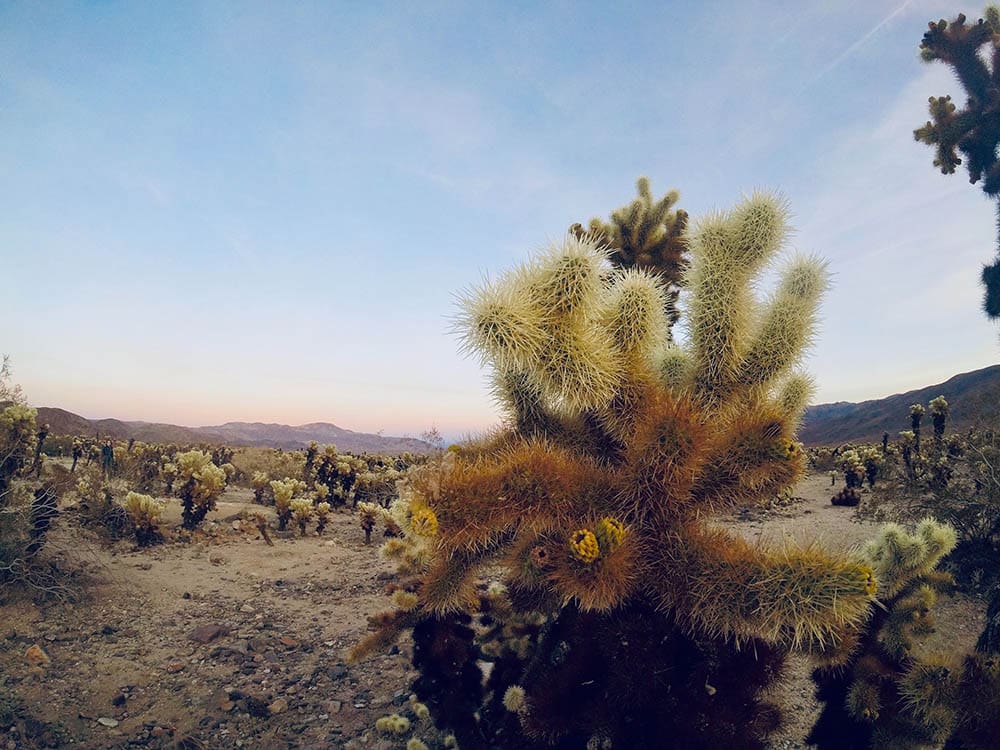
The Cholla cactus, a distinctive member of the Cactaceae family, captivates enthusiasts and casual observers alike with its unique morphology and adaptive capabilities. With a plethora of species adorning the arid landscapes of North America, it can be intriguing to explore the various types of Cholla cacti, each exhibiting unique characteristics and fascinating environmental adaptations.
The common observation among those who venture into deserts is the sight of Cholla cacti grasping sunlight, almost as if engaging in a dance with the sun. The live nature of these cacti, often appearing vibrant and animated in their environments, hints at deeper ecological strategies, making them not just eye-candy for passersby but also crucial players in their ecosystems.
In this article, we delve into several prominent types of Cholla cactus, highlighting their distinctions, ecological significance, and cultivation potential.
Exploring the Characteristics of Cholla Cacti
Cholla cacti belong to the Opuntia genus and are commonly recognized for their segmented stems. These cacti have adapted remarkably well to their environments, using their cylindrical segments as a defense mechanism against herbivores. The numerous spines, which may resemble those of a porcupine, provide an effective deterrent. This characteristic of Cholla cacti speaks volumes about their evolutionary journey and the challenges faced in arid habitats.
In addition to their striking appearance, Cholla cacti exhibit remarkable resilience. Their ability to store water and withstand extreme temperatures makes them indispensable in desert ecosystems. By examining their survival strategies and physiological adaptations, we find ourselves peering farther into the mysteries of plant life in harsh conditions.
Diverse Varieties of Cholla Cacti
Now, let us journey through a selection of captivating Cholla cactus varieties, each with a unique story to tell.
Golden Cholla (Cylindropuntia fulgida)
The Golden Cholla stands tall with its cylindrical green stems crowned by vibrant yellow spines. This species thrives in the Sonoran Desert, flourishing in well-drained soils where it can soak in sunlight. The striking appearance of the Golden Cholla is often a focal point in desert landscapes, particularly during the blooming season when its flowers burst into shades of yellow and pink. This plant not only provides aesthetic value but also serves as a habitat for various desert-dwelling species, aiding biodiversity through its shade and sustenance.
Jumping Cholla (Cylindropuntia fulgida var. mammillata)
The notorious Jumping Cholla is often characterized by its propensity for spines that readily detach upon contact. This species has developed this unique trait as a survival mechanism, ensuring that it can propagate even in adverse conditions. A hiker brushing against this cactus may find themselves with spines embedded in their clothing or skin, a phenomenon that has garnered both caution and curiosity. Despite its prickly reputation, the Jumping Cholla plays an essential role in its ecosystem, attracting pollinators with its vibrant blooms and providing shelter for countless creatures, thus reinforcing its importance in the food web.
Beach Cholla (Cylindropuntia prolifera)
Native to coastal areas, the Beach Cholla exhibits a robust growth form, often reaching heights of up to six feet. This cactus is uniquely adapted to sandy or gravelly soils, allowing it to thrive in coastal habitats. The Beach Cholla possesses an intriguing beauty with its rounded segments resembling green bowling pins, adorned with small clusters of bright pink flowers that bloom in the summer. Its adaptability to saline conditions allows it to flourish where many other plants may fail, further emphasizing the resilience of Cholla cacti.
Architectural Wonders of Cholla Cacti
What is particularly fascinating about Cholla cacti is not merely their survival strategies but their architectural forms. The variation in height, size, and branching takes on an almost sculptural quality, creating striking silhouettes against desert sunsets. One can’t help but marvel at how these cacti, through their adaptations and growth patterns, tell a narrative of endurance and adaptability.
In addition to their beauty, Cholla cacti can be a sustainable choice for landscaping in arid regions. Their low water requirements and the ability to thrive in poor soil conditions make them an excellent option for xeriscaping, allowing homeowners to cultivate decorative yet functional landscaping that conserves water.
Conclusion: The Enduring Fascination with Cholla Cacti
Cholla cacti, with their myriad forms and adaptations, offer much more than just visual delight. The interplay of their survival strategies, ecological roles, and aesthetic presence creates an enduring fascination. By understanding these plants and their adaptations, we gain insight into the complexity of life in some of the world’s harshest environments.
As we deepen our appreciation for these unique plants, it becomes apparent that the Cholla cactus is more than just another inhabitant of the desert; it is a testament to resilience, artistry, and the intricate web of life that exists in arid landscapes. Engaging with Cholla cacti may compel us to ponder our connection with nature, as these remarkable plants invite reflection upon the beauty of adaptation and the relentless pursuit of life against the odds.



Leave a Comment