
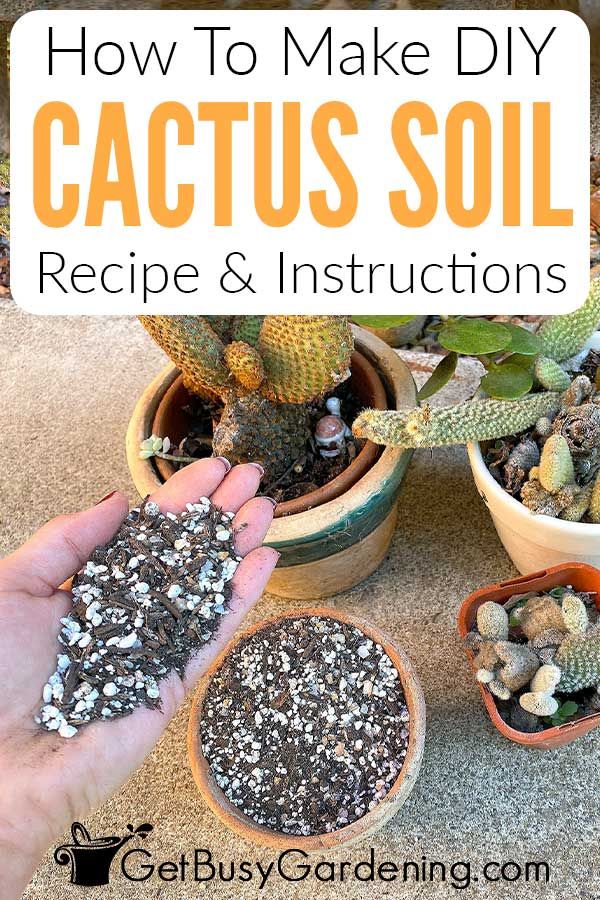
Creating the perfect soil mixture for succulents is crucial for their growth and overall health. Succulents require a well-draining soil that allows water to flow freely while retaining some nutrients. This article will guide you through the intricacies of crafting a DIY soil mix tailored specifically for these drought-resistant plants, ensuring that your succulent companions thrive in their environment.
Before you begin, it’s essential to understand the needs of succulents. Native to arid regions, these plants have evolved to store water in their leaves, stems, and roots, making water retention in the soil detrimental. Consequently, the right soil mix should not only facilitate drainage but also offer a suitable balance of nutrients, airflow, and moisture. Below is a comprehensive guide to concocting the ideal soil for your succulent collection.
Identifying the Components of a Stellar Succulent Soil Mix
The foundation of any great soil mix lies in selecting high-quality components. Each ingredient plays a pivotal role in ensuring your succulents receive the optimal conditions for growth. The primary elements are:
Organic Matter: Adding organic materials such as peat moss or coconut coir increases the soil’s structure while providing essential nutrients. However, moderation is key; excessive organic matter can retain too much moisture, prompting root rot.
Aggregate: Incorporating aggregates like perlite or pumice greatly improves drainage and aeration. These materials create air pockets in the soil, allowing roots to breathe, which is vital for the health of succulents. Additionally, they prevent soil compaction over time.
Inorganic Materials: Elements such as coarse sand or gravel serve an essential function in your succulent soil mix. They bolster drainage while enhancing the overall texture of the soil. Sand, however, should be coarse as fine sand can lead to poor drainage.
Composing Your DIY Soil Mix: The Recipe
Now that you’re familiar with the essential components of a soil mix, it’s time to create the perfect combination. A typical recipe for succulent soil includes the following proportions:
40% Potting Soil: Start with a quality cactus or potting mix, which serves as the base for your soil. This component will provide foundational nutrients that your succulents need to flourish.
30% Perlite or Pumice: Both of these additives work excellently to improve drainage. They allow excess moisture to escape while maintaining sufficient airflow.
30% Coarse Sand: Coarse sand, ideally horticultural-grade, is indispensable for enhancing drainage. It also adds weight to the mix without clumping together, ensuring your roots can spread throughout the soil with ease.
Mixing these components together can be done in a large container or bucket. Ensure that you thoroughly combine each element to avoid areas of concentrated materials. An evenly mixed soil will ensure a balanced nutrient profile for your succulents.
Understanding pH Levels and Nutrient Balance
While the right texture and drainage are crucial, the pH level of your soil mix is equally essential. Succulents thrive in slightly acidic to neutral soil, with a pH ranging from 6 to 7. Conducting a simple soil test can help you determine the pH level of your mix. If the soil is too acidic, consider adding lime to balance it; conversely, if it is too alkaline, sulfur can help lower the pH. Maintaining the right nutrient balance encourages healthy growth and vibrant foliage.
Tailoring Your Soil for Specific Succulent Types
Different succulent species may have slightly varied needs regarding soil composition. For instance, a mix designed for rosette-forming succulents like Echeverias might require a little more organic content for stability. On the other hand, tall or trailing succulents such as string of pearls may benefit from an even coarser mix to prevent tipping and promote drainage.
Ultimately, knowing your particular succulent’s requirements will allow you to tweak your soil mixture for optimal results.
Caring for Your Succulent Soil
Even after creating the perfect soil mix, regular maintenance is crucial. Monitor your succulents for signs of overwatering, which can lead to root rot. The top inch of soil should feel dry before watering again, promoting proper moisture regulation. Additionally, periodically inspect the soil structure. Over time, some components may break down, affecting drainage. Be prepared to refresh the mix or replace the soil as necessary to maintain a hospitable environment.
In Conclusion
Constructing a DIY soil mix for succulents can be a rewarding endeavor, enhancing your gardening experience and contributing to the health of your plants. By understanding the fundamental components, perfecting the recipe, and maintaining proper care, you are well on your way to nurturing a thriving succulent garden. Educate yourself continually on the specific needs of your succulents and adjust your soil mix accordingly. Armed with this knowledge, your succulents can enjoy a flourishing life, exhibiting their vibrant colors and unique shapes for years to come.





Leave a Comment