
Understanding the shelf life of plant fertilizers is crucial for any gardening enthusiast or professional horticulturist. Fertilizers are an essential part of cultivating healthy and vibrant plants; however, they come with varying shelf lives that can influence their effectiveness.
The question of expiration not only sparks curiosity but also affects plant health. Many growers often wonder: “Do plant fertilizers expire?” The delightful transformation of flora hinges on the appropriate care, and knowing the viability of fertilizers can spell the difference between thriving greens and dismal growth.
Before delving into the specifics of fertilizer shelf life, it’s essential to distinguish among the different types of fertilizers, as this impacts their longevity and stability. Fertilizers can be broadly classified into organic and synthetic categories.
Types of Fertilizers and Their Composition
Organic fertilizers, derived from natural sources such as manure, compost, and plant matter, are generally more stable in terms of shelf life than their synthetic counterparts. This stability arises because organic materials decompose slowly, providing nutrients over a more extended period. However, they are still susceptible to microbial activity, which can decrease their effectiveness if not stored correctly.
Synthetic fertilizers, on the other hand, often contain concentrated nutrients in chemical form. While these can provide a rapid nutritional boost to plants, their shelf life can vary significantly depending on their specific formulation. For example, fertilizers that contain urea can become less effective over time as they break down. Additionally, some elements may crystallize or become less soluble, hindering absorption by plants.
Furthermore, liquid fertilizers can experience separation or degradation if stored improperly, which may lead to reduced efficacy. Understanding these nuances is the first step in maintaining a flourishing garden.
Assessing Fertilizer Expiration
So, do plant fertilizers really expire? The answer is nuanced. Unlike perishable goods, fertilizers do not typically have a definitive expiration date. However, they can lose potency and effectiveness over time due to various factors such as storage conditions, exposure to moisture, and chemical breakdown.
Most manufacturers provide a shelf life on their product labeling, which is often indicative of peak performance. Organic fertilizers typically boast a longer shelf life—several years—if stored in a cool, dry place, away from direct sunlight. In contrast, synthetic fertilizers can last anywhere from one to several years, depending on their chemical composition and storage conditions.
To determine the viability of stored fertilizers, one should conduct a visual inspection. Look for any signs of clumping, discoloration, or strange odors. Clumping may suggest that moisture has breached the packaging, leading to deterioration. If a fertilizer appears crystalline or has significant color changes, consider replacing it.
Storage Tips for Prolonged Viability
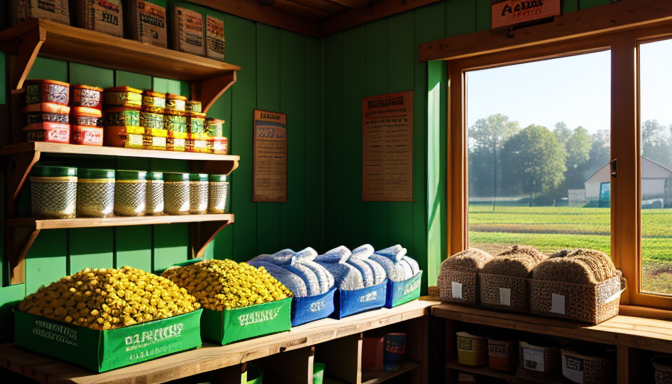
Proper storage is pivotal for extending the life of fertilizers. Each type requires specific conditions to ensure longevity. For organic fertilizers, it’s advisable to store them in airtight containers to prevent moisture absorption and pest intrusion. A temperature-controlled environment is ideal, as extreme temperature fluctuations can adversely affect the composition.
Synthetic fertilizers should also be housed in sealed containers and kept in a cool, dry location. The original packaging often provides adequate protection, but once opened, transferring the contents to a sealed container can bolster shelf life. Be vigilant against potential pests that might infiltrate the packaging, diminishing quality over time.
Additionally, maintaining a consistent environment allows for the retention of potency. Consider using a storage unit in a controlled climate, especially if you live in areas with high humidity or extreme temperatures. Organizing supplies by expiry dates can also aid in effectively managing inventory, ensuring that older products are used first.
Unlocking the Key to Fertilizer Efficacy
As the gardener seeks to cultivate lush greenery and bountiful blooms, understanding the dynamics of fertilizer expiration can serve as an essential guideline. Leveraging the knowledge of organic versus synthetic fertilizers, assessing indicators of viability, and implementing meticulous storage practices unlock pathways to successful cultivation.
Beyond just longevity, the aesthetics of a garden hinge on how well nutrients are delivered to plants. The vitality of your greens is a reflection of adequate nourishment—a relationship strengthened by familiarizing oneself with fertilizers and their nuanced lifespans.
Ultimately, appreciating the shelf life of plant fertilizers transcends mere gardening; it fosters a deeper connection to the lifecycle of plants, tapping into the natural rhythms of growth and decay. In this exploration, not only does one gain insight into the practicalities of gardening, but also an appreciation for the symbiotic relationship between care and beauty in the horticultural world.




Leave a Comment