
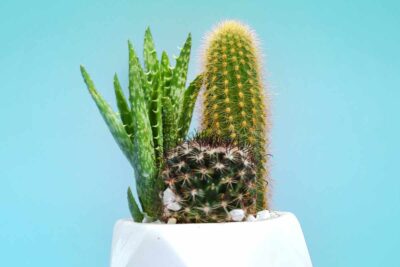
Cacti are remarkable plants that thrive in some of the harshest environments on Earth. While they are often associated with deserts, their unique adaptations and fascinating biology make them much more than just prickly plants. Here are some intriguing facts about cacti that may surprise you.
Adaptations for Survival
Cacti are renowned for their ability to survive in arid climates, but their adaptations go far beyond simple drought resistance.
Photosynthesis at Its Peak
One fascinating aspect of cacti is their specialized form of photosynthesis known as Crassulacean Acid Metabolism (CAM). Unlike most plants that open their stomata during the day to take in carbon dioxide, cacti open theirs at night. This adaptation reduces water loss due to evaporation in the intense daytime heat, allowing these plants to conserve precious moisture while still producing energy.
Water Storage Wonders
One of the most iconic features of cacti is their ability to store water. Most cacti possess succulent stems that are designed to hold copious amounts of water during dry spells. Some species can store enough water to survive for years without rainfall. The saguaro cactus, for instance, can weigh between 1,500 to 2,200 pounds when fully hydrated! This water storage capability is a critical adaptation that enables cacti to thrive in environments where few other plants can survive.
Thorns vs. Leaves
While many people may consider the spines of cacti merely as defense mechanisms, these structures serve multiple purposes. The spines are actually modified leaves that have evolved to help minimize water loss through transpiration. They provide shade to the skin of the cactus, reducing temperatures and further conserving water. Additionally, spines deter herbivores, ensuring the cactus’s survival amongst hungry animals.
Diverse Species and Their Habitats
The world of cacti is vast, encompassing over 2,000 species across the Americas, each adapted to their specific environments.
From Deserts to Mountain Ranges
While cacti are often associated with desert landscapes, they can thrive in various habitats beyond dry sands. Some species, like the barrel cactus, prefer rocky hillsides, while others, such as the Peruvian apple cactus, can be found in subtropical forests. In fact, certain cacti even flourish in the mountainous regions of the Andes!
Unique Flora of Madagascar
Despite the common belief that cacti are exclusive to the Americas, the euphorbia family, which includes species indigenous to Madagascar, displays similar adaptations. The Madagascar spurge, for example, has fleshy stems and spiny branches akin to those of cacti. This highlights the phenomenon known as convergent evolution, wherein distinct species independently evolve similar traits in response to analogous environmental pressures.
Cacti as a Source of Food
Beyond their beauty, many cacti provide food for both humans and wildlife.
Edible Varieties
Certain species, like the prickly pear (Opuntia), are cultivated for their nutritious fruits, often enjoyed fresh or made into jams and jellies. The pads of the prickly pear, known as nopales, are also edible and rich in vitamins. Cacti can serve as a sustainable food source in regions where traditional agriculture may falter. These slow-growing plants often require minimal water and can yield both sustenance and health benefits for local inhabitants.
Wildlife Habitat
Cacti are not just food sources for humans; they also play a vital role in their ecosystems. Many species provide crucial habitat and nourishment for various animals. Birds, such as woodpeckers, often nest in the hollows of saguaro cacti, while small mammals find shelter amid the thorny arms of these giants. This symbiotic relationship underscores the importance of cacti in preserving biodiversity in arid regions.
Cacti in Culture and Tradition
Cacti have made their mark not only in ecosystems but also in cultural practices.
Symbolism and Spirituality
In many regions, cacti hold symbolic significance. They are often viewed as symbols of endurance, strength, and resilience due to their remarkable ability to thrive in adversity. In some Native American cultures, certain cacti, like peyote, are used in spiritual and religious rituals. The psychoactive properties of the peyote cactus have been utilized for centuries in ceremonies aimed at healing and acquiring wisdom.
Decorative Uses
With their distinctive shapes and striking flowers, cacti are increasingly popular in horticulture and home décor. They require minimal maintenance compared to traditional houseplants, making them appealing for busy individuals. Furthermore, the increasing trend of xeriscaping—a landscaping technique designed to reduce water consumption—has brought cacti to the forefront of sustainable gardening. These plants offer striking visual interest while promoting eco-friendly practices.
Conservation Challenges
Despite their adaptability, many cactus species are facing threats due to habitat destruction, climate change, and illegal collection. The vulnerability of certain species underscores the importance of conservation efforts. Awareness of the unique characteristics and value of cacti can help foster appreciation for these remarkable plants and encourage responsible cultivation practices. By understanding their ecological significance, we can play a part in their preservation for future generations.




Leave a Comment