
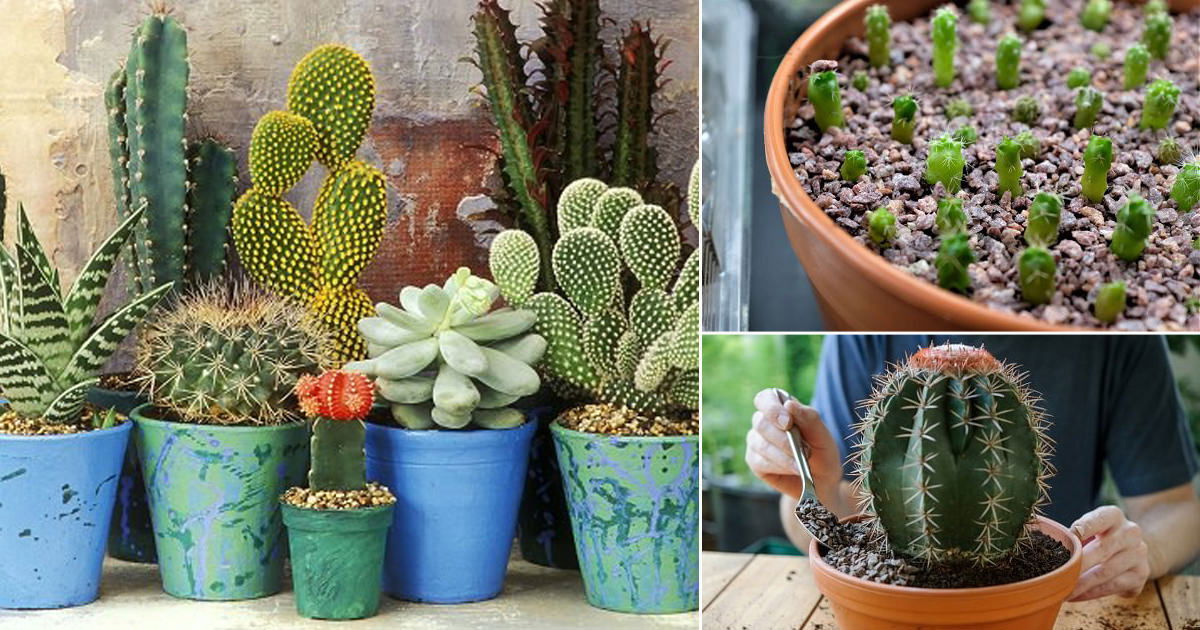
Growing Cactus from Seed: The Ultimate Guide to Starting Your Cactus Garden
There is an undeniable allure to cacti. These resilient plants, known for their striking forms and adaptability to harsh environments, evoke fascination that transcends mere aesthetics. From the arid landscapes of the American Southwest to the ornamental gardens of urban dwellers, cacti have become symbols of endurance and beauty. This guide will provide you with the essential information needed to cultivate your own cactus from seed, illuminating the nuances of germination, care, and the variety of species available.
Embarking on the journey of growing cacti from seed requires patience and knowledge. Seed propagation not only offers a rewarding venture for seasoned botanists but also provides beginners with a unique opportunity to connect with these remarkable plants from their very inception. Understanding the intricate process from germination to growth can enhance your appreciation of cacti and their role within ecosystems.
In this guide, we will explore the following essential facets of cactus cultivation:
Understanding Cactus Seeds: Biology & Characteristics
To cultivate cacti successfully, one must first grasp the biology of cactus seeds. Cactus seeds are generally small, often measuring just a few millimeters in diameter. Their diminutive size can be misleading; these tiny seeds hold the potential to grow into iconic succulents, each with unique adaptations. For instance, many species possess hard seed coats that protect the embryo but can also delay germination. This dormancy ensures survival in arid climates, where rain is sporadic.
Various factors play a crucial role in breaking dormancy and encouraging germination. The amount of moisture, light conditions, and temperature create a delicate balance. Many cactus species thrive under specific conditions. For example, the well-known Echinocactus genus often requires a cycle of moisture followed by drying out to activate its germination process. Understanding the specific needs of the species you wish to cultivate is paramount to success.
Choosing Your Cactus Seeds: Species Selection
The selection of cactus seeds is an exhilarating phase, one filled with diverse possibilities. While choosing the right species may seem a daunting task, it is an essential one that influences the aesthetics and survivability of your cactus garden. Some popular species include:
1. **Saguaro (Carnegiea gigantea):** Renowned for its iconic shape, the Saguaro is a staple of the American desert landscape. Keep in mind that these giants take years to mature, making them a long-term commitment.
2. **Barrel Cactus (Ferocactus):** Known for their ribbed appearance and vibrant flowers, barrel cacti are hardy and relatively easy to grow, making them a favorite among beginners.
3. **Opuntia (Prickly Pear):** With their flat pads and stunning fruit, prickly pears are not only visually appealing but also edible.
4. **Mammillaria:** This diverse genus features many small species that produce beautiful blooms and are ideal for smaller indoor gardens.
Each species presents unique challenges and rewards, making the selection process not only a practical decision but also an emotional investment. Research the desired species thoroughly to understand its specific growth requirements and environmental preferences.
Preparing to Plant: Soil and Conditions
A successful start to your cactus garden hinges on the right groundwork, literally and figuratively. The soil you choose should provide excellent drainage while retaining enough moisture to encourage germination. A pre-mixed cactus soil or a blend of potting soil, sand, and perlite often yields favorable results. The composition should allow for aeration while preventing root rot.
Once you have your soil, you must select an appropriate container. A shallow pot or seed tray with drainage holes is ideal, as it allows excess water to escape, preventing the seeds from drowning. Ensure that containers are clean to avoid the introduction of pests or pathogens that could harm your fragile seedlings.
Temperature and lighting are crucial factors during the germination phase. A warm environment, ideally between 70°F to 85°F, combined with bright but indirect light, provides the optimal conditions for sprouting.
Germination: The Waiting Game
After sowing your seeds—readily spaced and lightly covered with soil—it is time to enter the waiting phase. Patience is essential; some seeds can take weeks, or even months, to germinate. Maintaining consistent moisture levels is key during this period. A fine spray of water applied gently can help keep the soil moist without soaking it.
As the seeds germinate, be cautious of mold or algae growth. If you observe any signs, reduce watering and increase air circulation around the plants. It’s often beneficial to utilize a humidity dome to create a microclimate, especially during the early stages of germination.
Nurturing Your Seedlings: Watering and Care
Once seedlings emerge, they require gentle care. Begin by checking moisture levels more frequently, as young cacti have a higher water requirement than mature plants. However, be careful not to overwater, as young cacti are sensitive to excess moisture.
Fertilization can also be introduced after a month of growth. A diluted cactus fertilizer will support healthy growth without overwhelming the seedlings. Adequate spacing is vital, as well, to allow each cactus room to grow and develop its unique morphology. In time, you’ll witness the fascinating evolution of your plants as they take on their distinct characteristics.
Transitioning to a New Home: Repotting
As seedlings mature, typically after a year or more, they will outgrow their initial containers. Transplanting is crucial to ensure that they have enough space to develop robust root networks. When repotting, handle the cacti cautiously using gloves or tongs to shield yourself from spines. Choose a pot that is one size larger with the same drainage principles as before.
Developing Your Cactus Garden
Creating an environment for your cacti involves more than individual plant care. Arrange your cacti in a way that considers aesthetic appeal and horticultural needs. Grouping species with similar requirements fosters a healthier garden. Additionally, experimenting with various mediums, gravel arrangements, and decorative elements transforms your cactus garden into a unique canvas.
In conclusion, the journey of growing cacti from seed opens a world of possibilities for enthusiasts and beginners alike. Careful attention to seed selection, environmental conditions, and nurturing practices ensures that you can cultivate a thriving cactus garden that reflects both personal style and botanical knowledge. The complexities and challenges of this undertaking deepen your connection to these captivating plants, making each bloom all the more rewarding.



Leave a Comment