
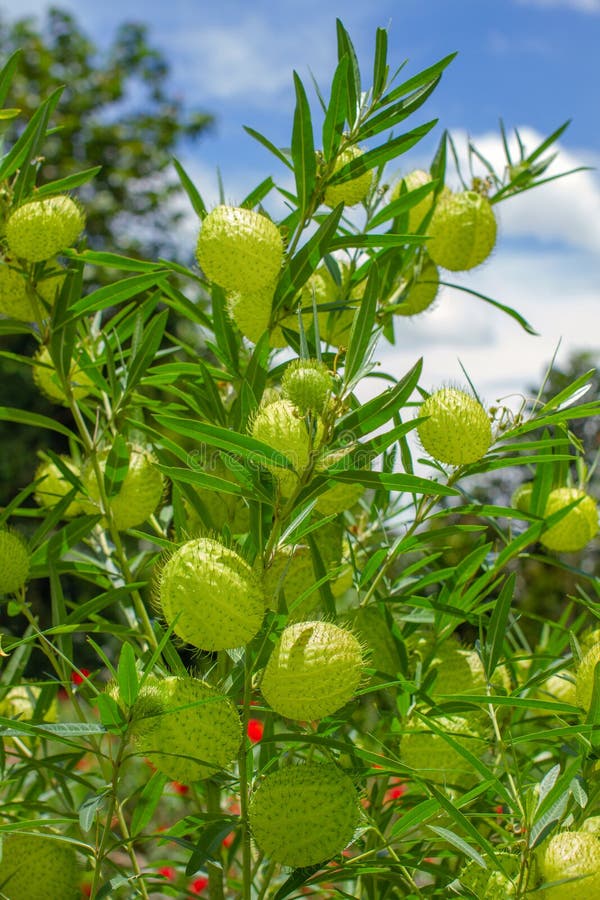
Hairy Balls Milkweed, also known as Family Jewels Milkweed or Balloon Plant, is an intriguing member of the Apocynaceae family. This unique plant is scientifically categorized as Gomphocarpus physocarpus and is native to various regions of Africa and Australia. With its peculiar appearance and captivating growing attributes, this species is increasingly gaining attention among gardeners, horticulturists, and nature enthusiasts alike.
Understanding the importance of Hairy Balls Milkweed begins with a thorough exploration of its distinctive characteristics, care requirements, and ecological significance. This article delves into these aspects, providing comprehensive guidance on cultivating and utilizing Hairy Balls Milkweed in your garden or landscape.
Distinctive Features of Hairy Balls Milkweed
Hairy Balls Milkweed is characterized by its striking spherical seed pods that are covered in fine hairs. These pods are not only visually interesting but also serve a functional purpose, aiding in seed dispersal. The plant itself can grow up to three feet tall and boasts elongated green leaves that provide a lush backdrop for the conspicuous flowers. The blossoms, typically ranging from pale yellow to cream, form in dense clusters and are particularly alluring to pollinators.
The plant’s defining feature lies in its unique seed pods, which resemble large, hairy balls. Once mature, these pods burst open, releasing silky seeds that are carried off by the wind, ensuring the plant’s propagation. The aesthetic appeal of Hairy Balls Milkweed makes it an excellent choice for adding visual interest to gardens, particularly in mixed borders or as part of a butterfly garden.
Optimal Growing Conditions
Planting Hairy Balls Milkweed requires careful consideration of its environmental preferences. This perennial thrives in well-drained soil and performs best in full sun, receiving at least six hours of direct sunlight per day. It is important to note that while the plant is somewhat drought-tolerant, consistent watering during dry spells will promote healthier growth and flowering.
To promote vigorous development, it is advisable to amend the soil with organic matter, such as compost. This not only enriches the soil’s nutrient content but also enhances drainage, providing an optimal growth environment for the Hairy Balls Milkweed. Regular fertilization during the growing season can further support the plant’s growth, particularly if the soil is depleted.
Hairy Balls Milkweed is relatively low-maintenance, making it suitable for both novice gardeners and experienced horticulturists. Pruning the plant after flowering can help control its growth and encourage bushier foliage. Additionally, this species is known for its resilience against common pests and diseases, although occasional aphid infestations may occur. Monitoring and promptly addressing such issues will ensure the plant maintains its health and vitality.
Ecological Significance
The ecological importance of Hairy Balls Milkweed extends beyond its ornamental value. As a member of the milkweed family, it serves as a crucial habitat for various pollinators, particularly monarch butterflies. The nectar-rich flowers attract butterflies and bees, making it a favored choice for pollinator gardens. In fact, the presence of Hairy Balls Milkweed can contribute positively to local ecosystems by supporting these essential species.
Moreover, the plant provides a food source for monarch caterpillars, which rely on milkweed varieties for nutrition as they transition into adulthood. By incorporating Hairy Balls Milkweed into green spaces, gardeners can actively contribute to the conservation of monarch populations and promote biodiversity.
Uses Beyond Aesthetics
Beyond its ecological contributions and ornamental appeal, Hairy Balls Milkweed holds potential in various applications. The plant has been utilized in traditional medicine for its purported health benefits, although scientific studies supporting these claims are limited. Some cultures have employed parts of the plant for gastrointestinal ailments and skin issues, but it is advisable to consult with a healthcare professional before considering any medicinal use.
In addition to its medicinal uses, Hairy Balls Milkweed can serve various practical functions in landscaping. Its vibrant blooms and intricate seed pods make it an eye-catching addition to any garden, and when planted en masse, it creates a stunning visual display. The plant’s ability to attract pollinators can enhance the productivity of vegetable and fruit gardens, making it a valuable companion plant.
Moreover, Hairy Balls Milkweed can be an excellent option for erosion control due to its established root system, which stabilizes soil and prevents runoff. Its adaptability to various soil types further enhances its utility in landscape design, contributing to sustainable gardening practices.
Conclusion
Hairy Balls Milkweed stands out not only for its distinctive appearance but also for its ecological significance and versatility in the garden. With proper care and consideration of its growing preferences, this unique plant can enhance the beauty and biodiversity of any landscape. By fostering its growth, gardeners can play a role in supporting pollinator populations while enjoying the myriad benefits that Hairy Balls Milkweed has to offer.




Leave a Comment