
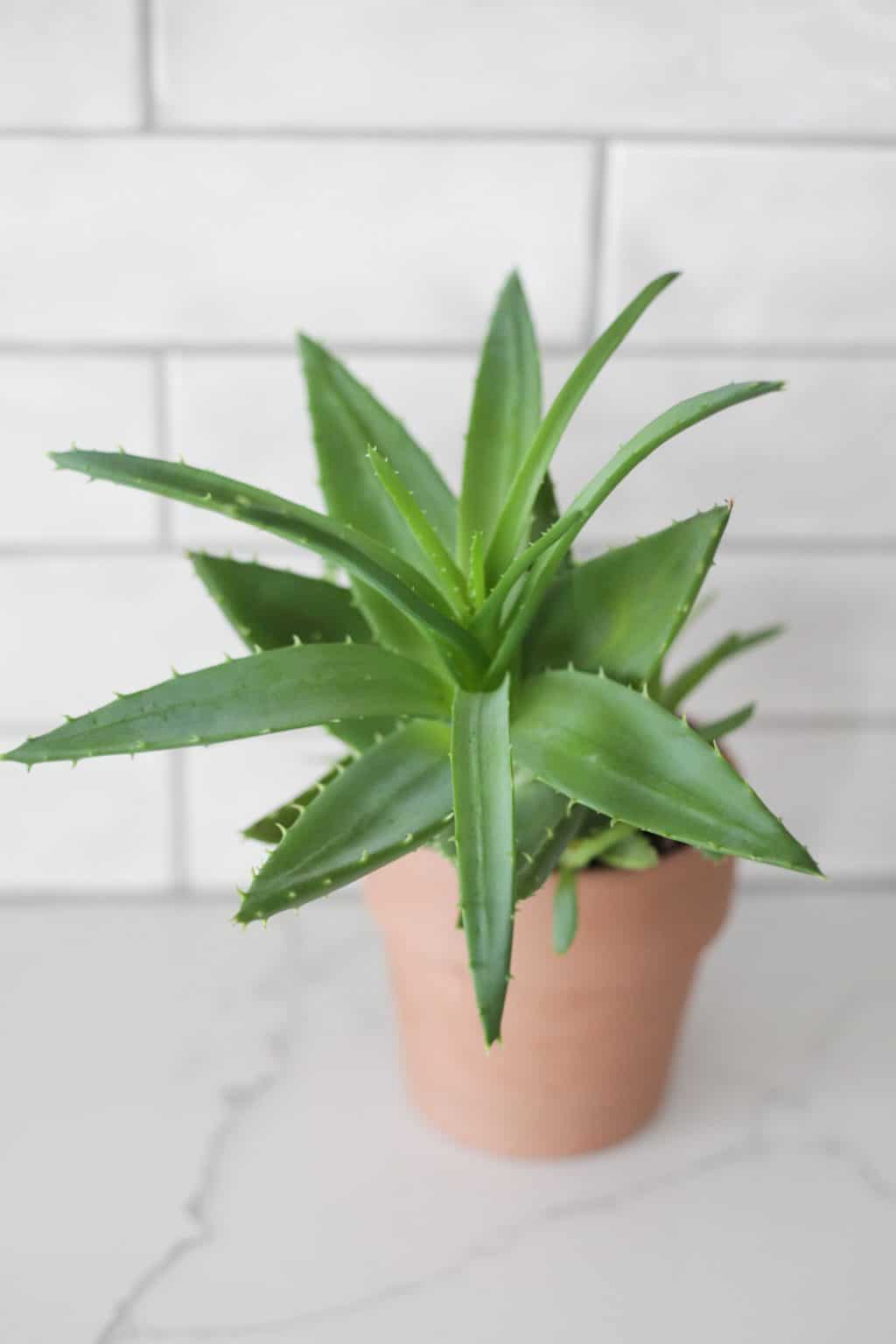
Propagation of aloe plants can feel like a trailblazer’s journey into an enchanting botanical universe. This process not only expands your indoor green sanctuary but also cultivates an appreciation for these resilient succulents’ life cycle. Each method of propagation offers a unique adventure and a deeper connection to these stunning plants.
Patience and observing the intrinsic growth patterns of your aloe are essential. So, what are the most celebrated methods for propagating aloe? Let’s delve into a step-by-step guide that highlights the nuances of each propagation method while unlocking the botanical secrets of aloe plants.
Understanding Aloe Variants and Their Reproductive Potential
The world of aloe encompasses a multitude of species, each with unique characteristics. Among them, *Aloe vera* is the most renowned, both as a decorative element and a medicinal ally. However, variations such as *Aloe aristata* and *Aloe brevifolia* can also contribute their charm to a verdant collection. Recognizing the differences in their reproductive habits is key to a successful propagation endeavor.
Aloes primarily propagate through offsets, also referred to as pups, that emerge at the base of the mother plant. Each pup is a miniature representation of its parent, containing a reservoir of potential for growth. Understanding the lifecycle of these offsets with intricate detail can lead to prolific growth opportunities.
Deciphering the Right Time for Propagation
Determining the optimal timeframe for propagation is crucial. Aloes tend to thrive in the spring and summer months, given their propensity for active growth during these seasons. Observing your aloe plant for signs of maturity, such as size and stability, is essential before initiation. Ideally, a well-established mother plant should have several offsets that are at least a few inches tall before moving forward with the propagation process.
Equipped with the knowledge of the right timing, you can proceed with confidence into the world of aloe propagation.
The Art of Offsets: A Methodical Approach
One of the most effective approaches to propagating aloe is through offsets. This method, while straightforward, requires a meticulous touch for success. Here’s a detailed blueprint for the process:
1. **Preparation of Tools**: Gather a sharp, sterile knife or pruning shears, a small pot with drainage holes, and a well-draining potting mix, possibly infused with sand or perlite to ensure aeration.
2. **Selection of Offsets**: Identify the healthy offsets at the base of the mother plant. Look for those that have developed their own roots.
3. **Severing the Offset**: Gently slide your knife or shears into the soil, extracting the offset while avoiding damage to the roots. This part is critical—ensure that enough root system is retained to support the new plant.
4. **Fonctional Drying**: Once the offset is severed, allow it to cure for a few days in a dry, shaded area. This step helps to form a protective callus over the cut surface, preventing rot when replanted.
5. **Potting the Offset**: After the callousing process is complete, fill your pot with the pre-blended potting mix. Create a small depression in the center and carefully place the offset within, gently covering the roots with the mix.
6. **Watering and Positioning**: Water lightly, ensuring that the soil is moist but not saturated. Place it in an area where it will receive ample indirect sunlight to kickstart its growth phase.
Pay close attention to the conditions; the protection of the offset from extreme temperatures will significantly increase the likelihood of propagation success.
Harnessing Leaf Cuttings: A Less Conventional Journey
While offsets reign supreme, using leaf cuttings can also yield fruitful results. Although it is less commonly practiced, the intrigue of this method lies in its exploratory nature. Here’s how to navigate this unconventional approach:
1. **Selecting the Right Leaf**: Choose a healthy, plump leaf from the aloe plant. Avoid those that show signs of damage or disease.
2. **The Cutting Process**: Cut the leaf at its base using a sterile knife. Aim for a 6-8 inch segment, which will provide ample tissue for rooting.
3. **Callus Formation**: As with offsets, place the leaf cutting in a dry spot for two to three days to allow the cut end to callus.
4. **Planting in Soil**: After the callusing period, place the leaf cutting in a small pot filled with a well-draining mix. Make sure to insert it upright, allowing a significant portion to remain above soil to avoid rot.
5. **Root Development**: Water moderately and keep the pot in a warm, indirect sunlight area. Rooting may take time—be patient and vigilant. New growth will eventually emerge from the cut tissue as roots develop.
Unlocking the Potential of Seed Propagation
Aloe plants can also be propagated through seeds, though this process requires patience and fortitude. Here’s a simple breakdown:
1. **Seed Acquisition**: Obtain viable seeds from a reputable source. Ensure they are fresh and not desiccated.
2. **Soil Preparation**: Use a seed-starting mix that guarantees excellent drainage. Fill a shallow tray, sprinkling the seeds evenly without covering them.
3. **Moisture Maintenance**: Mist the surface with water, ensuring it remains consistently damp yet not overly saturated. Create a mini greenhouse effect by covering with a clear plastic lid or plastic wrap.
4. **Warmth and Light**: Place the tray in a warm, well-lit area. Germination typically occurs within a few weeks, after which care should transition to watering and nurturing as with offsets.
Cultivating a myriad of aloe plants through these propagation methods not only enhances your gardening repertoire but also replenishes your appreciation for the steadfast beauty of succulents. Each technique, whether it be offsets, leaf cuttings, or seeds, encapsulates a journey of growth, patience, and resilience—qualities inherent to the aloe itself.
The quest for propagating aloe plants is a promise of transformation—a journey worth embarking upon, brimming with potential as each new plant emerges to grace your space with vitality and allure.



Leave a Comment