
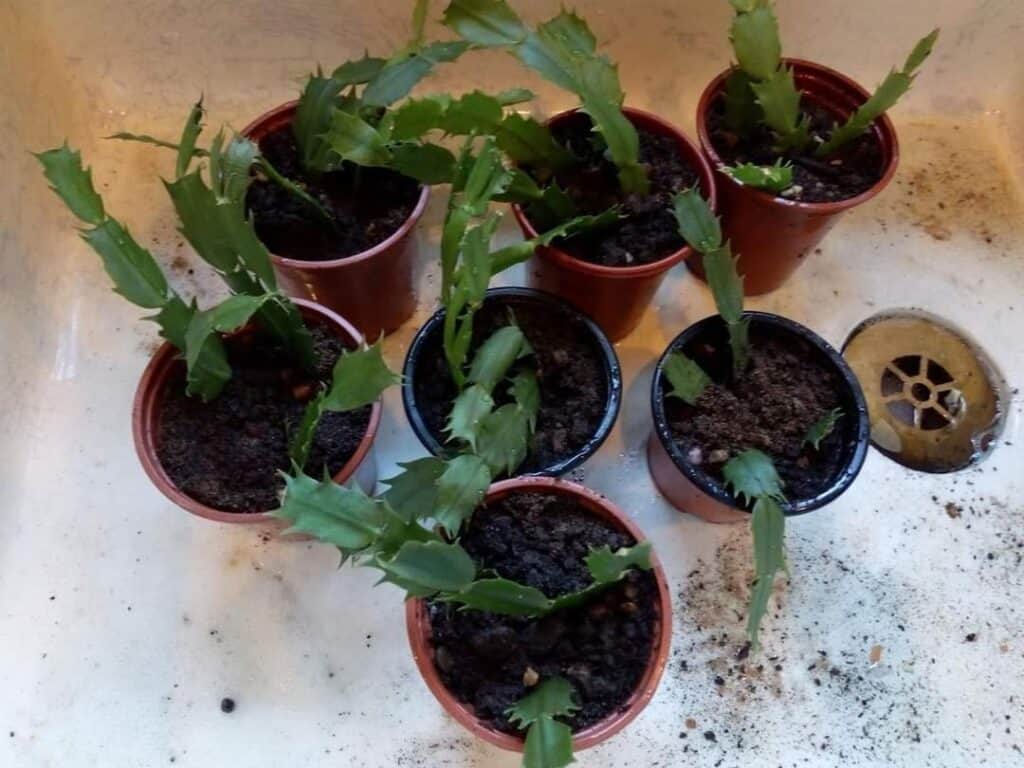
Rooting a Christmas cactus is an exciting endeavor for plant enthusiasts. This resilient plant, native to the tropical forests of Brazil, not only brings beauty to your home but can also be propagated with relative ease. Whether you are a seasoned gardener or a novice, understanding the process of propagating a Christmas cactus will equip you with the knowledge to successfully cultivate this unique species.
The Christmas cactus, scientifically known as Schlumbergera, is distinct from its desert-dwelling cousins. Unlike typical cacti, it thrives in more humid conditions and favors indirect sunlight. This difference is crucial for understanding how to propagate it effectively. Let’s delve into the step-by-step process for rooting a Christmas cactus.
The first step in the propagation process involves selecting a healthy parent plant from which to take cuttings. Look for a robust Christmas cactus that is free from pests and diseases. Ensure that it has a minimum of three to four segments on each stem, which are essential for successful rooting.
After you have identified a suitable parent plant, it’s time to take cuttings. Using a clean, sharp knife or scissors, gently sever a segment from the stem. Aim for a segment that is approximately two to three inches long. It is advisable to allow the cutting to dry for about 24 hours. This process, known as callousing, helps prevent rot when it is placed in the soil.
Choosing the right soil mix is fundamental when propagating a Christmas cactus. A well-draining medium, such as a cactus potting mix blended with perlite or sand, ensures adequate aeration and moisture retention. This is critical, as overly wet soil can lead to root rot. Once you have prepared your soil, fill a small pot with the mix, making sure it is appropriately damp but not saturated.
When placing the cutting in the soil, ensure that it is inserted about one inch deep into the potting mix. Firm the soil around the base to provide stability. At this stage, ensuring the right environmental conditions is vital for successful rooting. Place the pot in a location that receives bright, indirect sunlight. A south or east-facing window can be an excellent choice.
Incorporating humidity into the environment is equally important. Christmas cacti appreciate higher humidity levels, so consider using a humidity dome or covering the pot with a plastic bag to create a mini greenhouse effect. This will help retain moisture while the cutting establishes roots.
Watering should be done judiciously during the rooting phase. Allow the top inch of the soil to dry out before watering again. Overwatering can be detrimental to the cutting’s health, so maintaining a balance is key. In about two to four weeks, gentle tugging on the cutting can indicate root development. If there is resistance, roots are likely forming.
Once the cutting has rooted successfully, it is time to transfer it to a larger pot for further growth. When the roots are well-developed, usually after a few months, you can repot the new Christmas cactus into a standard potting soil mix suitable for houseplants. This mixture should still be well-draining to support the plant’s health.
Now that you have completed the propagation process, it’s essential to provide ongoing care for your new Christmas cactus. Regular watering is crucial, particularly during the growing season from spring to summer. During this time, allow the soil to dry out between watering sessions. As autumn approaches, reduce watering frequency, mimicking the plant’s natural dormancy period in winter.
Feeding the Christmas cactus with a balanced, water-soluble fertilizer during the growth phase will promote healthy development. Be sure to follow the package instructions to avoid over-fertilizing, which can adversely affect the plant.
Another vital aspect to consider is ensuring the appropriate light conditions for your Christmas cactus. While it thrives in bright, indirect light, it can also adapt to lower light situations. However, each plant has its preferences, and observing your cactus will help you tune into its specific requirements.
Finally, with proper care, your newly propagated Christmas cactus will flourish and even bloom during the holiday season. The flowers, which can be pink, red, white, or yellow, will become a centerpiece of winter festivity in your home.
In summary, propagating a Christmas cactus can be a rewarding and engaging experience. From taking cuttings to nurturing their growth, this process enriches the bond between the plant and the gardener. With awareness of its unique needs and conditions, your efforts will result in a thriving plant that brings joy well beyond the holiday season. Embrace this journey, and enjoy the beauty of your propagated Christmas cactus for years to come.




Leave a Comment