
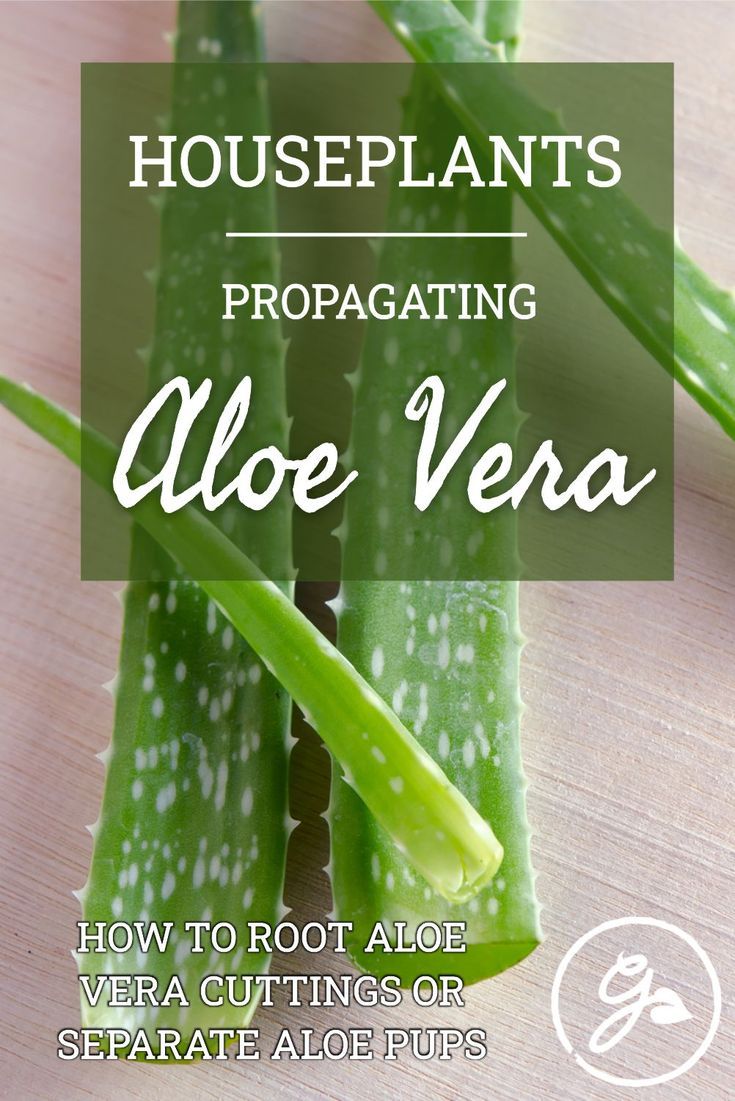
Rooting an aloe vera plant is a rewarding endeavor that allows you to propagate this resilient succulent with ease. Whether you wish to expand your indoor garden or share an aloe with friends, understanding the nuances of rooting cuttings is essential. This guide provides a comprehensive overview of the steps required to successfully root an aloe vera plant.
Before embarking on the propagation journey, it is important to familiarize yourself with the anatomy of the aloe vera, including its leaves, roots, and offsets, as these components are critical to successful rooting.
While aloe vera is renowned for its hardy nature, the rooting process requires specific conditions and care to ensure viable growth. Below, you will find a detailed step-by-step guide outlining the necessary procedures, tools, and best practices for rooting aloe vera cuttings.
Gathering Your Materials
Before you begin, it is essential to gather the appropriate materials to facilitate the rooting process. A well-planned approach will enhance your chances of success. The core materials you will need include:
- Aloe vera plant: Select a mature, healthy plant from which to take cuttings.
- Sharp knife or scissors: Sterilize your cutting tool to prevent harmful pathogens from entering the plant tissue.
- Potting soil: Choose well-draining succulent or cactus soil to promote healthy root systems.
- Containers: Use pots or trays with drainage holes, allowing excess moisture to escape.
- Rooting hormone (optional): This substance can expedite root formation, though aloe plants can root without it.
- Water: Essential to hydrate your cuttings and soil.
Choosing the Right Cuttings
The first step in rooting your aloe vera is selecting the appropriate cuttings. Ideally, you want to look for offsets or “pups,” which are small plants that grow alongside the main aloe vera. These pups should be several inches tall, firm, and have a healthy green color. When selecting a cutting, ensure it is free from pests and diseases, as this can hinder successful rooting.
In cases where offsets are not available, you can also take leaf cuttings. However, ensure the leaves are mature and robust to increase the likelihood of successful root formation. Keep in mind that leaf cuttings may take longer to root compared to pups.
Creating the Cut
After identifying your desired cuttings, it is time to make the cut. Using your sterilized knife or scissors, carefully slice the offset or leaf from the main plant, ensuring that the cut is as clean as possible. Aim to provide a length of at least three to four inches for leaf cuttings. For offsets, cut as close to the root base as possible.
Once the cutting has been removed, place it in a dry, warm location for a day or two. This process allows the cut end to callous over, thereby reducing the risk of rot once it is planted in the soil.
Preparing the Potting Medium
While your cuttings are callousing, it’s an excellent opportunity to prepare your potting medium. Using well-draining succulent or cactus soil is essential, as aloe vera does not thrive in overly moist conditions. Fill your containers with the potting mix, ensuring there is adequate space for the roots to develop. A light touch to the surface will maintain aeration while compacting the soil just enough to eliminate air pockets.
Planting the Cuttings
Once the cut ends have fully calloused, it is time to plant your cuttings. For offsets, position the base of the pup into the soil, with the cut end approximately an inch deep. If you are using leaf cuttings, insert the cut end into the soil at the same depth. Press the soil lightly around the cutting, ensuring stability without causing damage to the plant.
If you opted to use rooting hormone, dip the end of the cuttings into the hormone powder before planting to enhance root growth.
Watering and Care
After planting, gently water the soil to promote hydration but avoid saturating the potting mix. Allow the soil to dry out almost completely between watering sessions to prevent rot. Position your potted cuttings in a location that receives bright, indirect sunlight, as intense direct sunlight can scorch the delicate cuttings.
Be mindful of your cuttings in the initial weeks. Monitor their appearance closely; healthy cuttings will start to show new growth at the tip and maintain a firm texture. If any signs of wilting or rot occur, address the issue by adjusting your watering practices or relocating the plant.
Transitioning to a Larger Container
Once your aloe vera cuttings develop a robust root system, which can take anywhere from a few weeks to several months, it is time to consider transferring them to a larger container. Choose a pot that allows for growth while maintaining proper drainage. Continue to use well-draining potting mix suitable for succulents.
Conclusion
Rooting an aloe vera plant is not only an enjoyable hobby but also an opportunity to cultivate a versatile, beneficial plant that offers numerous health advantages. By following these steps and providing proper care, you can enjoy the satisfaction of propagating aloe vera successfully. Explore the many uses of aloe vera, from topical applications to culinary delights, and embrace the journey of plant propagation.



Leave a Comment