
The enigmatic peyote cactus, known scientifically as Lophophora williamsii, has captivated the hearts of enthusiasts and researchers alike. Its unique aesthetic allure and cultural significance set it apart in the botanical world. The question on many minds often revolves around the cultivation timeline: how long does it truly take for peyote to grow? In this exploration, we will delve into the intricate lifecycle of this fascinating cactus, examining the variables that influence its growth rate and providing insight into its cultivation.
To comprehend the timeframe of peyote growth, it is essential to first understand its natural habitat and ecological needs. This diminutive cactus typically flourishes in the arid landscapes of northern Mexico and the southwestern United States. Here, it thrives in well-drained soils, basking in sunlight while deftly conserving moisture. The journey from seed to maturity is not as swift as one might hope, underscoring the cactus’s resilience in the face of its environment.
A significant factor affecting peyote’s growth rate is its propagation method. Peyote can be grown from both seeds and cuttings, with each method offering a distinct journey.
Growing Peyote from Seed: A Patience Game
Starting with seeds, peyote’s journey begins and can be both enlightening and arduous. Typically, the germination process could span anywhere from two weeks to a month. However, patience is paramount. Once germination occurs, seedlings require careful nurturing. The initial developmental stage is critical, often stretching from one to three years. During this phase, the young plants are particularly vulnerable; inadequate lighting, improper humidity, or erratic temperatures can stifle their potential.
Once the seedlings begin to establish a solid root system and develop a tuft of vibrant coloration, they enter a stage of gradual growth. The first few years are characterized by slow, measured expansion. In optimal conditions, you might witness a growth of just a few millimeters annually. Thus, it takes approximately five to ten years for a peyote cactus to reach a moderate size, capable of a modest aesthetic display. However, for those cultivating peyote with a desire to harvest, the wait continues.
Peyote’s Cultural Significance Catalyzes Growth Interest
Peyote is far more than just a cactus; it holds a revered place in various spiritual practices, particularly among indigenous peoples who use it in religious ceremonies. Its psychoactive properties, attributed to the mescaline it contains, have historically added layers of intrigue to this plant. This cultural backdrop amplifies interest in its cultivation, prompting enthusiasts to attempt its growth in various capacities.
Growing Peyote from Cuttings: An Expedient Alternative
For those seeking a less protracted route to cultivation, utilizing cuttings presents a feasible option. When established plants are pruned to encourage offshoots, the cutting can be planted directly into well-draining soil. This method can reduce the time to maturity, as rooted cuttings may only require one or two years to yield mature characteristics. The aesthetic appeal of a thriving peyote cutting can be observed sooner, offering a glimpse into its potential.
Environmental Conditions: The Hidden Influence
The environment in which peyote is cultivated does not solely dictate the growth rate but profoundly influences the entire development process. These cacti thrive in dry, warm climates, with ideal growing temperatures ranging from 70°F to 100°F. Furthermore, the quality of soil plays a pivotal role; a mix that includes sand, perlite, or pumice tends to provide adequate drainage while retaining a slight moisture balance necessary for root health.
Peyote requires careful watering to avoid root rot. Erratic irrigation can stunt growth significantly. It’s essential to allow for complete drying between watering sessions, ensuring that the cactus receives just enough moisture to thrive without being waterlogged. In summary, the success of peyote cultivation hinges on mimicking its natural desert habitat as closely as possible.
The Alluring Aesthetics of Peyote
Beyond the time and toil involved in cultivating peyote lies the undeniable allure of this unique plant. Characterized by its distinct rounded, button-like shape, peyote showcases an enchanting aesthetic that appeals to both the eye and the spirit. Its soft green hue, delicately adorned with small tufts of spines, creates a visual harmony within a collection of succulents or in a stand-alone centerpiece.
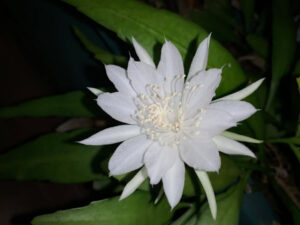
Moreover, the blooming flower of the peyote is a spectacle to behold, typically presenting a beautiful white or pink blossom that emerges atop the cactus. This juxtaposition of the robust, rounded body and the delicate flower encapsulates the dualities inherent in nature: resilience and fragility, patience and reward.
Caring for your peyote not only enriches its ornamental value but also strengthens the bond between the cultivator and the plant. Over time, as you nurture your cactus, you’ll develop a deeper appreciation for its subtle intricacies and majestic beauty, making the waiting game all the more worthwhile.
In conclusion, the question of how long it takes for peyote to grow does not yield a straightforward answer. From the slow-paced germination of seeds to the more expedient approach of cuttings, each cultivation method accompanies a unique journey. Furthermore, environmental conditions, patience, and dedication play vital roles in shaping the growth rate of this extraordinary plant. Ultimately, the allure of peyote lies not only in its slow maturation but also in its profound connection to culture and nature, making every year of wait a testament to the vibrant tapestry of life it represents.


Leave a Comment