
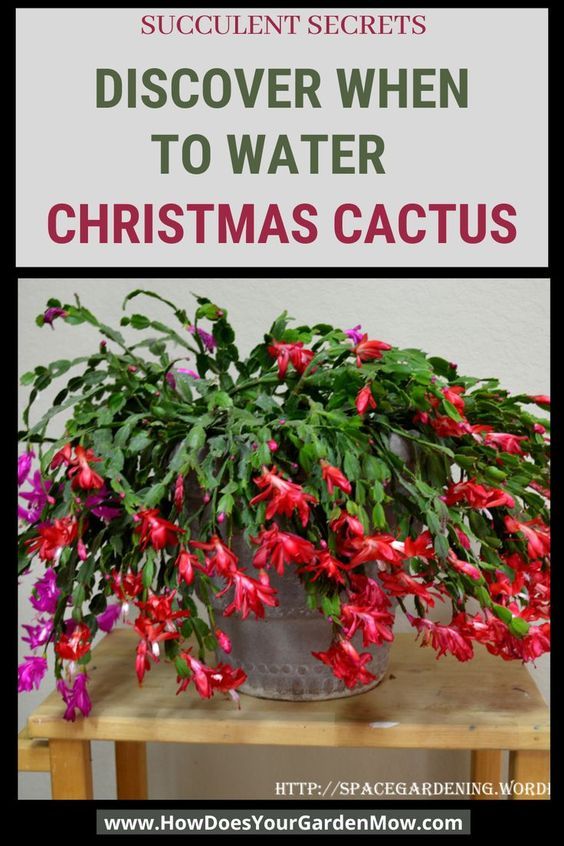
The Christmas cactus, scientifically known as Schlumbergera, is a delightful addition to any indoor garden. Unlike traditional cacti that thrive in arid conditions, the Christmas cactus prefers a more temperate approach. Its stunning blooms and unusual watering needs often lead to confusion. Proper watering is crucial for nurturing this unique plant and ensuring its vibrant floral displays. Understanding how often to water a Christmas cactus can greatly influence its overall health and flowering cycle.
Several factors can affect the watering frequency of a Christmas cactus, including environmental conditions, seasonal changes, and the specific care routine employed by the gardener. Developing a nuanced understanding of these components will help create an optimal environment for your cactus.
Let us delve into the various aspects of watering the Christmas cactus, highlighting key elements to keep in mind for healthy growth.
Understanding the Natural Habitat
To comprehend the watering needs of the Christmas cactus, one must first consider its native environment. Originating from the rainforests of Brazil, these cacti thrive in a humid atmosphere with warm temperatures. They are epiphytic, growing on trees and absorbing moisture from the air and surrounding organic materials rather than through their roots in the ground. This unique adaptation means that they require more water than one would initially expect from a traditional desert cactus.
In your home environment, it’s vital to mimic these natural conditions as closely as possible. This includes understanding the amount of moisture that these cacti require. Unlike succulents, which can store water in their leaves, Christmas cacti need a consistent supply of moisture to thrive.
Determining Watering Frequency
So, how often should you actually water your Christmas cactus? The answer largely depends on the environmental factors such as temperature, humidity, and seasonal variations. A general guideline is to water your Christmas cactus every two to three weeks during the growing season, which typically spans from spring to early autumn. During this time, the plant is actively growing and requires additional hydration.
As the days shorten and temperatures drop in the autumn months, the plant will enter a period of dormancy. Accordingly, reduce the frequency to about once a month or less, as the plant requires minimal water during this phase. During the winter months, especially when it is blooming, maintain a careful approach; ensure the soil does not dry out completely, but avoid overwatering.
A critical factor is to observe the soil moisture level. Monitoring moisture can be more effective than adhering strictly to a calendar schedule. Use your finger to check the soil depth. If the top inch or two feels dry, it’s an indicator that your cactus is ready for a drink. Conversely, if the soil remains consistently damp, it’s essential to hold back on watering to prevent root rot.
Signs of Overwatering or Underwatering
Being attuned to the health of your Christmas cactus can help you identify potential watering issues early. Several symptoms can indicate that the cactus is either overwatered or underwatered. For instance, yellowing leaves or drooping segments often suggest that the soil is too saturated. This could lead to the development of root rot, a condition that can quickly decimate your plant.
On the other hand, if you notice shriveled or wrinkled leaves, alongside stunted growth, your cactus may be parched and in dire need of moisture. Understanding these indicators is crucial to provide the care your Christmas cactus needs to flourish.
Optimal Watering Techniques
How you water your Christmas cactus is equally important as how often you do it. One effective method is the soak-and-dry approach. Begin by thoroughly watering the plant, allowing it to absorb moisture until it drains out of the bottom of the pot. This technique ensures that the entire root system receives adequate hydration.
Following the initial soaking, allow the soil to dry out completely before the next watering. This not only helps prevent root rot but also mimics the natural cycle of rain followed by dry spells found in their natural habitat. Rainwater or distilled water is preferable, as it lacks the chemicals found in tap water that may harm sensitive plants.
Conclusion: Cultivating a Beautiful Christmas Cactus
Growing a thriving Christmas cactus requires an understanding of its watering preferences as well as attentiveness to its environmental needs. By adopting an informed approach to watering frequency and techniques, gardeners can create an environment conducive to healthy growth and prolific blooming. Remember, consistency, observation, and adaptation are key components to becoming an adept caregiver to this remarkable plant.
As you cultivate your Christmas cactus, the stunning displays of blooms during the winter months will serve as a testament to your dedication and knowledge, bringing joy and vitality to your indoor space.




Leave a Comment