
Short Answer
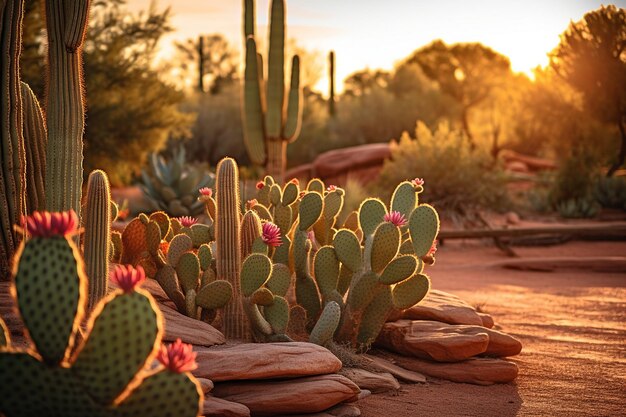
In the arid expanse of a desert, where life clings to existence with tenacious grace, the cactus stands as a sentinel of resilience. Its spiny silhouette, etched against the blazing horizon, is more than a botanical marvel—it is a living metaphor for endurance, adaptability, and the quiet power of nature’s ingenuity. Yet, beyond its prickly exterior lies a deeper narrative, one that whispers of conservation, symbiosis, and the fragile balance between human ambition and ecological necessity. The symbolism of cacti transcends mere decoration; it is a call to action, a reminder that even the most unassuming forms of life can teach us profound lessons about survival and stewardship.
The Thorny Paradox: Why Cacti Fascinate Us Despite Their Prickles
There is something inherently contradictory about our fascination with cacti. We are drawn to their stark beauty, their defiance of harsh conditions, yet repelled by their spines—those sharp, unyielding guardians of their succulent flesh. This paradox mirrors our own relationship with nature: we admire its resilience but often overlook its fragility. The cactus, with its paradoxical allure, forces us to confront the duality of existence—where beauty and danger coexist, where survival demands both defense and surrender.
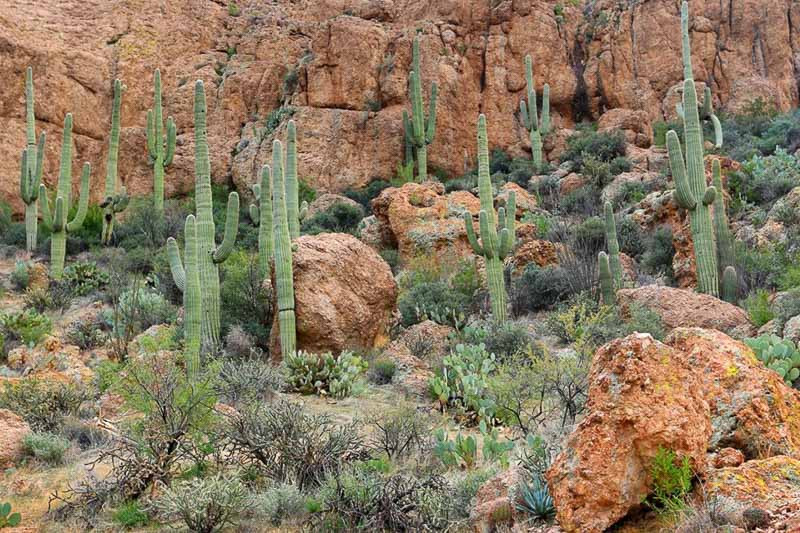
Consider the saguaro, towering like a sentinel over the Sonoran Desert. Its arms stretch skyward, not in supplication, but in defiance, storing water with almost mystical efficiency. This ability to thrive where others wither is not merely a biological marvel; it is a lesson in resourcefulness. In an era where climate change threatens to turn once-fertile lands into wastelands, the cactus offers a blueprint for adaptation. Its very existence challenges the notion that growth requires abundance—it thrives in scarcity, proving that necessity is the mother of innovation.

From Symbolism to Stewardship: How Cacti Teach Conservation
The cactus is not just a plant; it is a teacher. Its symbolism—resilience, patience, and interdependence—can inspire conservation efforts in ways that statistics and policy debates often cannot. When we see a cactus thriving in the desert, we are witnessing the outcome of millennia of evolutionary trial and error. Each spine, each waxy coating, each slow, deliberate growth is a testament to nature’s ability to innovate under pressure. This is the essence of conservation: not just preserving what exists, but understanding the mechanisms that allow life to persist.
Take, for example, the role of cacti in water conservation. Their thick, fleshy stems store water with such efficiency that they can survive years without rainfall. This adaptation is not just a biological curiosity; it is a model for sustainable living. In regions facing drought, cacti demonstrate that survival does not require profligacy. Instead, it demands a shift in perspective—one where waste is not an option, and every drop of water is precious. Conservationists can look to the cactus as a guide, reimagining infrastructure, agriculture, and urban planning to mimic its principles of efficiency and restraint.

The Silent Guardians: Cacti as Ecosystem Engineers
Beyond their symbolic value, cacti play a crucial role in their ecosystems, acting as silent engineers that shape the landscape around them. Their flowers provide nectar for pollinators, their fruits sustain birds and mammals, and their dense growth offers shelter for small creatures. In this way, cacti are not just survivors; they are keystone species, their presence or absence rippling through the food web. This interconnectedness is a stark reminder of how conservation is not an isolated endeavor but a holistic one—where every organism, no matter how small, plays a part in the grand tapestry of life.
Consider the cholla cactus, whose dense, branching structure creates microhabitats for insects, reptiles, and even small mammals. Its spines, often seen as a deterrent, are in fact a refuge, offering protection from predators and the elements. This duality—of defense and provision—highlights the cactus’s role as both a fortress and a sanctuary. Conservation efforts that focus solely on preserving individual species often miss the bigger picture: the intricate web of relationships that sustain an ecosystem. By protecting cacti, we are not just saving a plant; we are safeguarding an entire community of life.
The Cultural Tapestry: How Human Symbolism of Cacti Shapes Conservation
Human cultures have long imbued cacti with symbolic meaning, weaving them into myths, art, and rituals. In Mexican folklore, the cactus is a symbol of strength and endurance, its spines representing the challenges one must overcome to achieve growth. In Native American traditions, the cactus is a source of sustenance and medicine, its fruits and pads offering nourishment in harsh environments. These cultural narratives are not mere stories; they are repositories of ecological wisdom, passed down through generations. They remind us that conservation is not just a scientific endeavor but a cultural one—a matter of values, identity, and collective memory.
When we recognize the cactus as more than a decorative plant, we open the door to deeper conservation efforts. For instance, indigenous communities that have long relied on cacti for food and medicine are often the best stewards of these plants. Their traditional knowledge, honed over centuries, offers insights into sustainable harvesting, propagation, and ecosystem management. By centering these voices in conservation strategies, we not only preserve biodiversity but also uphold cultural heritage. The cactus, in this sense, becomes a bridge between past and future, a living link to the wisdom of those who came before us.
From Inspiration to Action: Practical Steps for Cactus Conservation
The symbolism of the cactus is powerful, but it is only as meaningful as the actions it inspires. Conservation efforts must move beyond admiration and into tangible change. One practical step is the establishment of protected areas for cactus species, particularly those threatened by habitat destruction or illegal trade. Another is the promotion of sustainable landscaping practices, such as xeriscaping, which reduces water use and creates habitats for native cacti. Education also plays a critical role—teaching communities about the ecological value of cacti can foster a sense of stewardship and reduce the demand for wild-harvested specimens.
Research is equally vital. Scientists are uncovering the medicinal properties of cacti, from their anti-inflammatory compounds to their potential in treating diabetes. By investing in this research, we not only unlock new avenues for human health but also create economic incentives for conservation. Imagine a future where cactus farms provide both ecological benefits and livelihoods, where the very plants that inspire us also sustain us. This is the promise of conservation: a future where human needs and ecological health are not at odds but in harmony.

The Future in the Flesh: Why Cacti Matter Now More Than Ever
In a world where climate change is reshaping landscapes and biodiversity is under siege, the cactus stands as a beacon of hope. Its ability to thrive in adversity is a testament to nature’s resilience, a quality that humans would do well to emulate. But the cactus is more than a symbol; it is a living, breathing reminder of what is at stake—and what we stand to gain if we act with intention and respect.
The next time you see a cactus, whether in a desert or a garden, take a moment to consider its silent strength. Think of the water it conserves, the life it sustains, and the lessons it offers. Then ask yourself: what can we, as stewards of this planet, learn from its example? The answer may well determine the future of not just cacti, but of all life on Earth.
FAQ
What is the main message of the article?
The article emphasizes how the symbolism of cacti can inspire conservation efforts through their lessons of resilience and adaptability.
Why are cacti important for conservation?
Cacti play crucial roles in their ecosystems and their adaptations offer insights into sustainable living and resource conservation.


Leave a Reply