
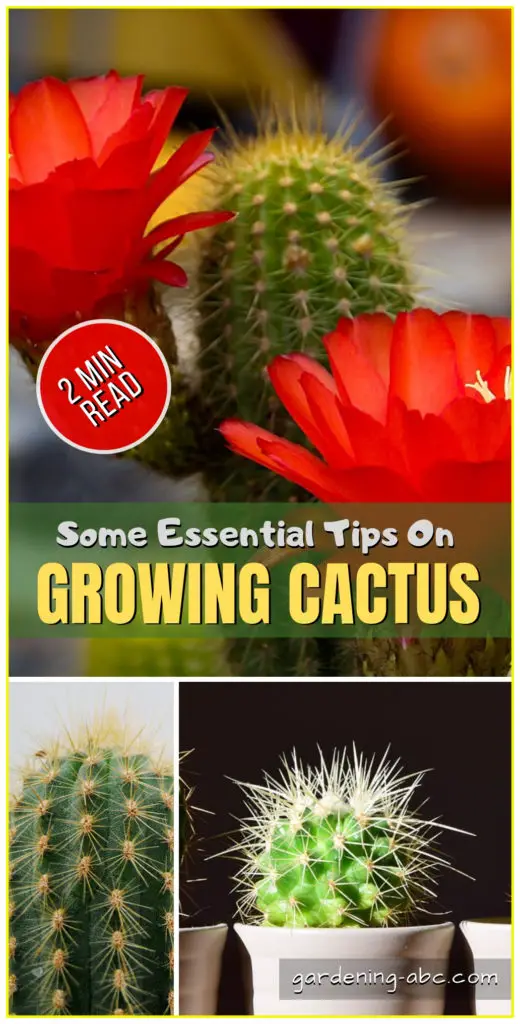
Growing a thriving cactus plant at home not only serves as an engaging horticultural endeavor but also introduces an aesthetic element characterized by the plant’s unique textures and forms. Cacti, with their striking silhouettes and bastions of resilience, can captivate anyone’s attention while being relatively low-maintenance. By fostering intrigue around their distinctive adaptation mechanisms, one can appreciate the intrinsic beauty of these remarkable flora further.
Understanding the fundamental requirements for cactus cultivation is crucial. Given their evolution in arid environments, knowledge of their specific needs will empower you to create the optimal conditions for growth within your own home. Let’s delve into the essentials of cultivating thriving cacti while embracing their unique traits and aesthetic allure.
Soil Composition: The Foundation of Success
To thrive, cacti necessitate a well-draining substrate. The soil composition is paramount, as it mitigates the risk of root rot—a common affliction among succulent species. Conventional potting mixes tend to retain excessive moisture, making them a less than ideal choice for cacti.
Opt for a specialized cactus mix, which typically includes components such as pumice, sand, and perlite, creating a porous consistency. Alternatively, concoct your own blend by combining equal parts gardening soil, coarse sand, and perlite. This composition fosters optimal drainage while allowing the roots to breathe. Such a mix not only ensures water doesn’t stagnate but also encourages robust root development, which is essential for the plant’s overall health.
Sunlight: The Lifeblood of Your Cactus
In their native environments, cacti bask in unfiltered sunlight for large portions of the day. To replicate these natural conditions, positioning your plant in a location that receives at least six hours of direct sunlight is critical. South or west-facing windows are typically the most beneficial, allowing your cactus to absorb ample radiance. However, caution should be observed; too much intense sunlight may lead to sunburn. If browning or discoloration occurs, gradual acclimatization to more intense light can help resolve this issue.
When sunlight is limited, consider using grow lights. Implementing a full-spectrum LED light can replicate the necessary wavelengths for robust growth, particularly during the shorter daylight months. This is an effective strategy for bringing out the increasingly popular aesthetic of cascading cacti, allowing for an attractive display that flourishes even in less-than-ideal lighting.
Watering: The Art of Imbalance
One of the most fascinating characteristics of cacti is their remarkable ability to store water. This trait allows them to survive prolonged periods of drought, evoking a sense of intrigue for many enthusiasts. When it comes to watering, a common misconception is that cacti require frequent hydration. In actuality, they prefer a regime of infrequent, deep watering.
During the growing season, typically spring and summer, allow the soil to dry out completely between watering sessions. An excellent method to gauge moisture levels is to insert a finger about an inch into the substrate; if it feels dry, it’s time to water. When you do water, thoroughly saturate while ensuring that excess water drains from the pot’s bottom.
In the dormant phase, usually during the winter months, cacti enter a state of rest and require even less water. Watering too frequently during this time can lead to undesirable outcomes. Each variety may have specific watering preferences, so familiarize yourself with the specifics of your cactus type.
Temperature and Humidity: A Delicate Balance
Cacti thrive in environments that mimic their native habitats, typically characterized by warm temperatures and low humidity. Most cacti flourish between 70°F to 100°F during the day. Nights can be cooler, which closely mimics the temperature fluctuations in their natural habitats.
Humidity should remain relatively low, ideally below 50%. Too much moisture in the air can increase susceptibility to mold and fungal infections. A simple way to maintain this is through the indoor environment’s natural airflow. If adding humidity, consider utilizing a humidifier that allows you to monitor levels, avoiding drastic increases in moisture that could jeopardize your cactus’s health.
Fertilization: Nourishing Your Plant
To invigorate growth and bolster color, fertilization is another integral aspect of cactus care. During the growing season, moderate fertilization can enhance the plant’s overall aesthetics. Selecting a balanced, water-soluble fertilizer diluted to half strength can provide beneficial nutrients without overwhelming the plant.
Generally, feeding should occur every four to six weeks during spring and summer. Notably, avoid fertilizing during the dormant winter months, as this could lead to a buildup of salts that may adversely affect your cactus. Instead, allow it to rest, channeling energy into its root system rather than foliage growth during this period.
In conclusion, cultivating a thriving cactus plant requires an understanding of its environmental needs, an appreciation for its adaptations, and a commitment to proper care. By creating an ideal habitat and adopting suitable watering, lighting, and nourishing practices, these captivating plants can flourish and kerf a striking appearance in any home. A well-cared-for cactus not only adds a touch of the outdoors within four walls but also tantalizes the onlooker with its resilience and unparalleled beauty.



Leave a Comment