
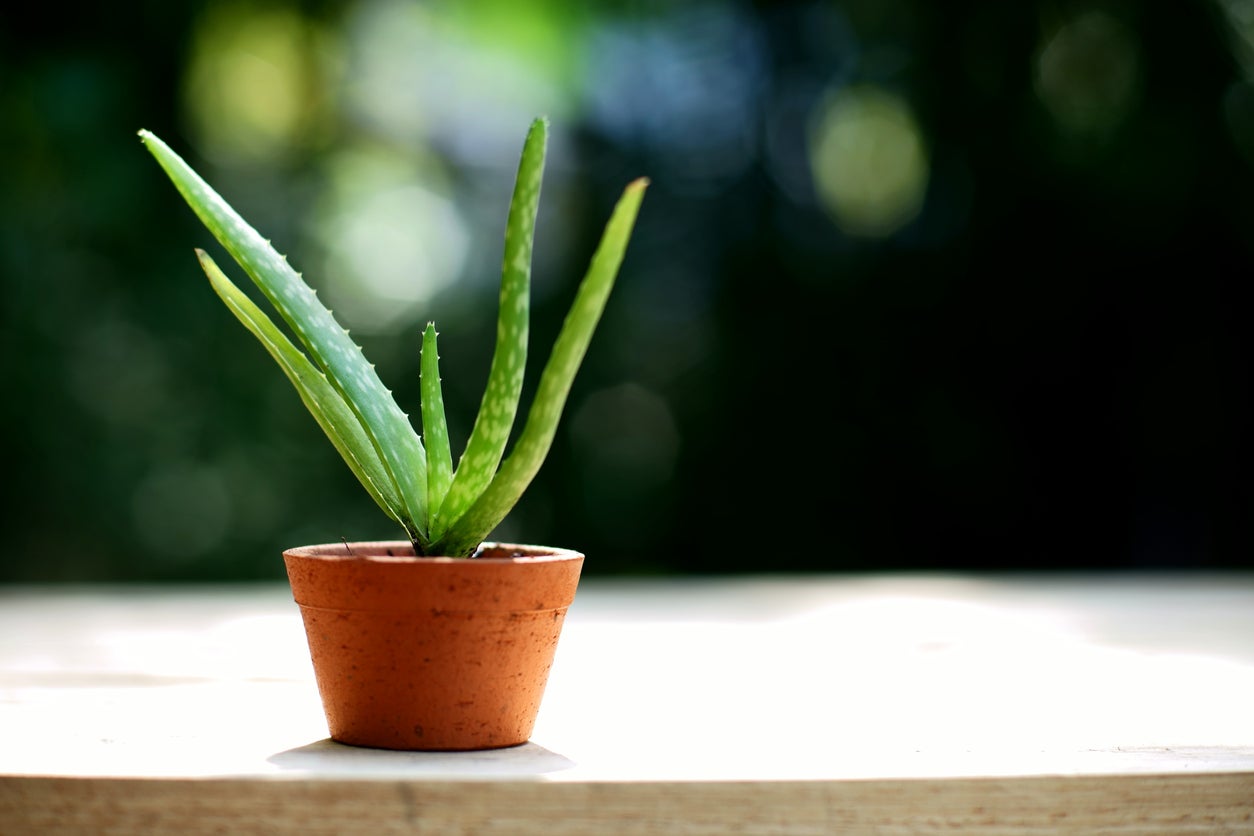
Growing aloe vera from a single leaf can be an intriguing endeavor for both novice gardeners and seasoned horticulturists. This succulent plant, revered for its medicinal properties and ornamental appeal, can be cultivated effortlessly if you adhere to specific strategies. This guide will walk you through everything you need to know.
Aloe vera, a member of the Asphodelaceae family, is characterized by its fleshy leaves and low-maintenance requirements. Rather than starting from seeds or store-bought plants, propagating this plant from a leaf opens a portal to nurturing rejuvenation from a singular resource.
Engage in this satisfying horticultural project while learning about the optimal conditions, timing, and techniques for growing aloe vera from a leaf. Follow these straightforward steps to achieve success.
Understanding the Anatomy of Aloe Vera Leaves
Before diving into the propagation process, it’s crucial to familiarize yourself with the anatomy of an aloe vera leaf. Comprehending leaf structure can significantly enhance your chances of successful propagation.
Each leaf consists of three primary layers: the outer skin, inner gel, and vascular bundles. The outer layer, a tough epidermis, protects the valuable inner gel that contains essential nutrients and water. The vascular bundles facilitate the transportation of moisture and sustenance throughout the plant.
When selecting a leaf for propagation, opt for a mature, healthy leaf. A leaf free from blemishes or damage ensures that the genetic material is robust and capable of thriving as a new plant. This selection process is pivotal, as choosing a substandard leaf can hinder progress.
The Art of Preparing the Leaf
Once you’ve chosen your leaf, preparation is key. Begin by using a sharp, sterile knife to sever the leaf from the parent plant. Aim to cut closer to the stem to maximize the plant’s potential for growth. After cutting, allow the leaf to rest in a dry location, preferably out of direct sunlight, for three to five days. This drying period forms a protective callus over the cut end, significantly reducing the risk of rot when planted.
During this time, you can reflect on the significance of soil quality in your ensuing cultivation journey. Opt for a cactus or succulent potting mix, as it ensures adequate drainage—a critical factor in maintaining your new plant’s health.
Planting the Aloe Vera Leaf Cutting
After the callus has formed, it’s time to plant your aloe leaf cutting. Fill a shallow pot with your chosen soil mixture, making sure the container has drainage holes. This is essential to prevent waterlogging, which can lead to root rot.
Insert the callused end of the leaf into the soil, burying it about two inches deep. Be sure to plant it upright to facilitate the appropriate orientation for future growth. Gently firm the soil around the base of the leaf, ensuring that it is stable yet not overly compacted.
Watering the Plant: Finding the Balance
Watering is a critical component of successfully growing aloe vera from a leaf. However, understanding the delicate balance required for succulent health is vital. Once potted, give the newly planted cutting a light watering, sufficient to moisten the soil but not saturate it.
In the months that follow, you will need to water your plant sparingly. Allow the soil to dry completely between watering sessions. The goal here is to mimic the plant’s natural arid habitat, significantly enhancing its growth potential. Typically, watering every two to three weeks is appropriate, decreasing frequency during winter months when the plant enters dormancy.
The Role of Light in Aloe Vera Cultivation
Illumination is another pivotal factor affecting growth. Aloe vera thrives under bright, indirect light conditions. An ideal north-facing window provides ample light without the threat of scorching heat.
Should you find that your aloe vera plant is not receiving adequate sunlight, you may observe signs such as stretched or leggy leaves. If this occurs, reposition your plant to a brighter locale, but be vigilant against overly intense sunlight, which can cause leaf burn.
The Waiting Game: Signs of Growth
Persistence is paramount in this process. You may not see immediate results, but patient observation is essential. Within a few weeks to a few months, you should begin to see new roots emerging. The best indicators of root establishment include the development of new leaves or offsets at the base of the original cutting.
Care for your aloe vera cutting by ensuring that it remains in optimal conditions. Periodically check the soil’s moisture level, and make adjustments as necessary. If you have followed the steps correctly, you will be rewarded with new life sprouting from your initial effort.
Transplanting and Caring for Your New Aloe Vera Plant
Once your aloe cutting establishes a robust root system, it is time to consider transplanting it into a larger pot if necessary, particularly if it has produced additional offsets. This step allows for continued growth and vitality.
In addition to proper watering and light conditions, fertilizing your aloe vera occasionally with a diluted cactus fertilizer during the growing season will encourage robust foliage. Aim to fertilize once a month in spring and summer, and taper off in the fall and winter months.
Conclusion: Embracing Success
Growing aloe vera from a single leaf not only serves as a rewarding gardening project but also nurtures an understanding of plant propagation principles. As you cultivate your cutting into a flourishing aloe vera plant, you will cultivate not only a source of natural remedies but also an appreciation for the intricacies of horticulture.
This journey is more than just growing a plant; it is an opportunity for self-discovery and a deeper connection to nature. Enjoy the process, and let your aloe vera thrive under your care.


Leave a Comment