
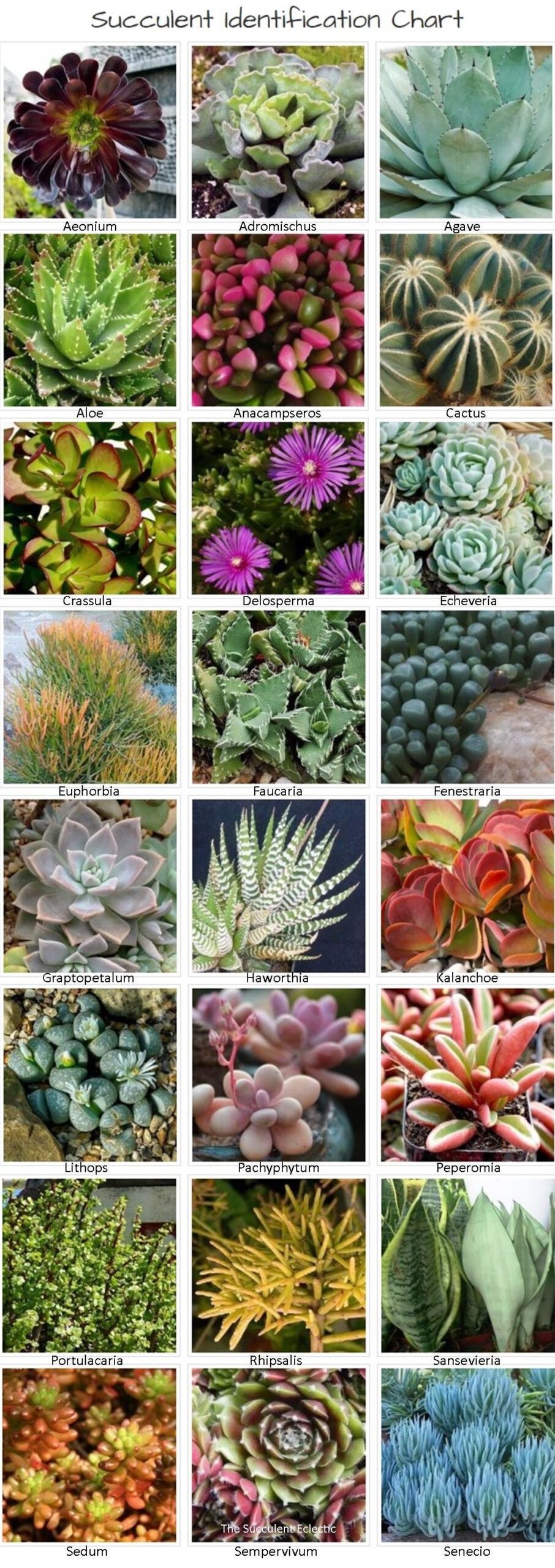
Identifying different species of cacti can be a fascinating pursuit, whether for gardening, landscaping, or simply expanding one’s botanical knowledge. With a plethora of varieties thriving in diverse environments, understanding how to distinguish between them is essential. This guide delves into the intricate details that can help in identifying various cactus species effectively.
Understanding the Anatomy of Cacti
To accurately identify cactus plants, one must first grasp their anatomical features. Cacti belong to the family Cactaceae, characterized by their succulent stems and unique adaptations to arid environments.
Stem Structure
The stem serves as the primary water storage organ, often taking on an array of shapes including columnar, spherical, or pad-like forms. Notably, the ribbed appearance of some cacti allows for expansion during moisture absorption, while others maintain a more rounded silhouette.
Spines and Glochids
Cacti are commonly adorned with spines, which are modified leaves that deter herbivores and help to minimize water loss. A crucial aspect of identification lies in the nature and arrangement of these spines. For instance, some species, like the Echinocactus, exhibit long, radial spines, while others may feature dense clusters of short spines or even glochids, which are small hair-like structures that can irritate the skin.
Flowers and Fruits
Floral characteristics also play a pivotal role in distinguishing between cactus species. The color, size, and arrangement of flowers can vary drastically. Some cacti bloom vibrant flowers that open at night, while others display daytime blooms. Post-pollination, the fruits can take on striking forms and colors, adding another layer to the identification process.
Exploring Major Cactus Families
A comprehensive approach to identification involves familiarizing oneself with the major families of cacti. Each family holds distinct traits that can greatly aid in recognizing specific species.
Opuntiae (Prickly Pears)
The Opuntiae family is easily identified by their flat pads and the presence of glochids. Prickly pears, known for their unique fruit called “tunas,” can vary in shape from spherical to more elongated pads. Their vibrant blooms often range from yellow to deep pink, making them a popular choice among gardeners.
Cactaceae (True Cacti)
Encompassing a wide range of species, the Cactaceae family exhibits significant diversity. Columnar cacti, such as the Saguaro, can reach impressive heights, while barrel cacti maintain a stout, rounded form. Identifying these species often requires attention to their vibrant and unique patterns of spines.
Echinocereus (Hedgehog Cacti)
These cacti are smaller and typically feature ribbed bodies adorned with spines that can vary in color from white to dark brown. A defining characteristic is the funnel-shaped flowers that emerge from the tops of the stems during the blooming season, often providing a colorful display.
Tips for Field Identification
When observing cacti in their natural habitat or among various displays, several practical tips can enhance your identification efforts.
Seasonal Considerations
Many cacti exhibit seasonal transformations. Understanding the blooming patterns can provide significant clues; some may not flower every year, while others bloom at very specific times. Summer is usually the prime season for flowering, making it a beneficial time for observation.
Geographical Habitat
Familiarizing oneself with the native environments of different cactus species can prove invaluable. Some cacti prefer high altitudes, while others thrive in desert terrains. Keep an eye on accompanying flora; the presence of specific plants can hint at the type of cactus in the vicinity.
Documenting Your Findings
When identifying cacti, consider maintaining a journal or photo log. Documenting the morphological characteristics and geographical observations can bolster your identification skills and contribute to a collection of knowledge.
Understanding Common Misidentifications
In the quest to identify cactus species, it is also essential to recognize common misidentifications. Many cacti may look alike at first glance, leading to confusion.
Similarities Among Species
For instance, the Echinopsis and the Gymnocalycium species may share similar shapes and flowering patterns, yet differ substantially in spine structure and growth habits. Heightened observation and analysis of minute features can aid in distinguishing these species.
Beware of Hybrids
Hybridization is a frequent phenomenon in the cactus world, creating plants that may possess traits from two different species. It is crucial to be aware that hybrids can blur the lines during identification, potentially complicating the assessment process.
Conclusion: Embrace the Journey of Identification
To conclude, identifying cactus plants is an enriching experience that goes beyond mere recognition; it encourages a deeper appreciation of these remarkable plants. By focusing on anatomical features, familiarizing oneself with major families, and employing practical field tips, anyone can become proficient in cactus identification. With each encounter, the intricate beauty and diversity of cacti will undoubtedly captivate and inspire enthusiasts and casual observers alike.




Leave a Comment