
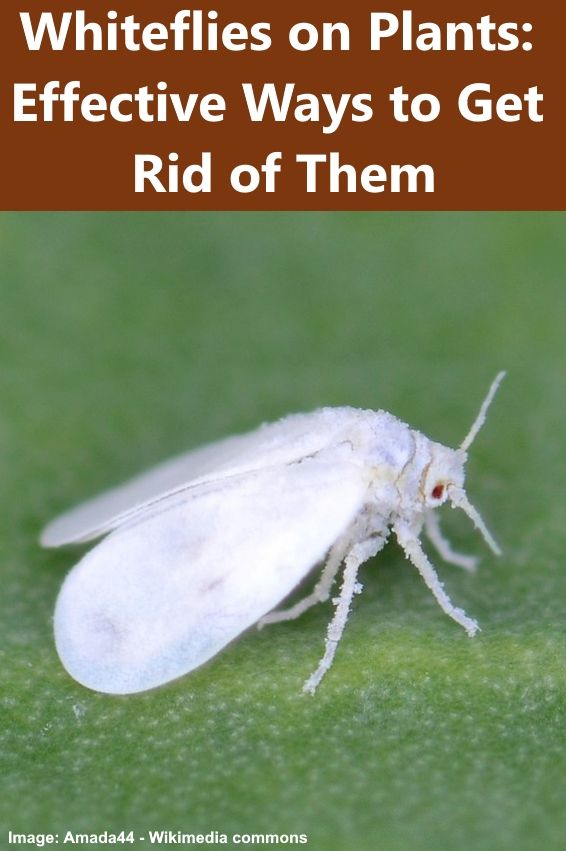
Introduction to Mealybugs: The Silent Destroyers
Mealybugs are notorious pests that can wreak havoc on your cherished plants, draining their vitality and causing severe damage. These tiny, white, cottony insects thrive in warm environments and are often found nestled within the crevices of leaves and stems. Although they may seem innocuous, their ability to reproduce rapidly can lead to an infestation if left unchecked. Understanding how to effectively combat mealybugs is crucial for maintaining the health and aesthetics of your beloved houseplants or garden.
Identifying the Menace: How to Recognize Mealybugs
Before embarking on a mission to eradicate mealybugs, it is essential to identify them accurately. Adult mealybugs typically measure around 1/10 to 1/4 inch in length and are covered in a distinctive white, waxy coating. They often cluster on the undersides of leaves, in leaf axils, or near growing tips. Look for signs such as yellowing leaves, stunted growth, and a sticky residue, known as honeydew, that can attract other pests and foster the growth of sooty mold.
Natural Predators: Bringing in the Allies
One of the most effective methods for controlling mealybug populations is to introduce their natural predators into the ecosystem. Ladybugs and lacewings are known for their voracious appetites for mealybugs and can help restore balance in your indoor or outdoor planting space. However, care must be taken to ensure that the introduction of these beneficial insects does not harm other plant life or non-target organisms in your garden. It’s crucial to do thorough research and consider the potential consequences before introducing any foreign species.
Hand-Picking: A Simple Yet Effective Strategy
While it may be a time-consuming process, manually removing mealybugs can be one of the most immediate and straightforward solutions. Wearing gloves, inspect affected plants meticulously and dislodge the pests with a cotton swab dipped in alcohol or soapy water. This not only eradicates visible insects but also serves as an initial treatment to hinder their population growth. Regular inspections are key; early detection will enhance the chances of successful elimination.
Homemade Solutions: Crafting Your Own Remedies
Utilizing natural ingredients can yield effective solutions for combating mealybugs. One popular remedy involves mixing equal parts of water and rubbing alcohol in a spray bottle. Gently mist affected areas of the plant, ensuring you reach the undersides of leaves where mealybugs often reside. Another option is the use of a mild soap solution; a few drops of dish soap mixed with water can suffocate these pests. Just remember to test any concoction on a small leaf area first to assess for any adverse reactions.
Commercial Insecticidal Soaps: Chemical Solutions for Tough Infestations
If natural remedies do not suffice, consider using commercially available insecticidal soaps designed specifically to combat mealybugs. These products typically contain naturally derived ingredients that are less harmful to the environment compared to traditional pesticides. When applying, follow the manufacturer’s instructions for dilution and application frequency. Repeat treatments may be necessary to ensure the complete eradication of the infestation.
Systemic Pesticides: The Last Resort
When faced with a severe infestation that is resistant to other methods, systemic pesticides may need to be employed. These chemicals are absorbed by the plant and can kill mealybugs upon ingestion. However, this method should be considered a last resort due to the potential risks to beneficial insects and the broader ecosystem. Always adhere to safety guidelines and instructions, and consider consulting with a pest control professional for advice tailored to your specific situation.
Preventive Measures: Protecting Your Plants
Following successful eradication, it is imperative to implement preventive measures to shield your plants from future infestations. Regularly check for signs of mealybugs and other pests during routine plant care. Maintaining optimal plant health through proper watering, light exposure, and nutrient supply will bolster their resilience. Quarantine new plants for a few weeks before introducing them to your existing collection, checking for any unwanted guests in the process.
Conclusion: Vigilance is Key
Managing mealybugs requires vigilance, patience, and a willingness to adapt your methods as necessary. By understanding their lifecycle, actively monitoring your plants, and employing both natural and chemical solutions, you can reclaim your plants from these silent destroyers. Remember, the ultimate goal is to foster an environment where your plants can thrive free from pest interference, ensuring a flourishing green space for you to enjoy.




Leave a Comment