
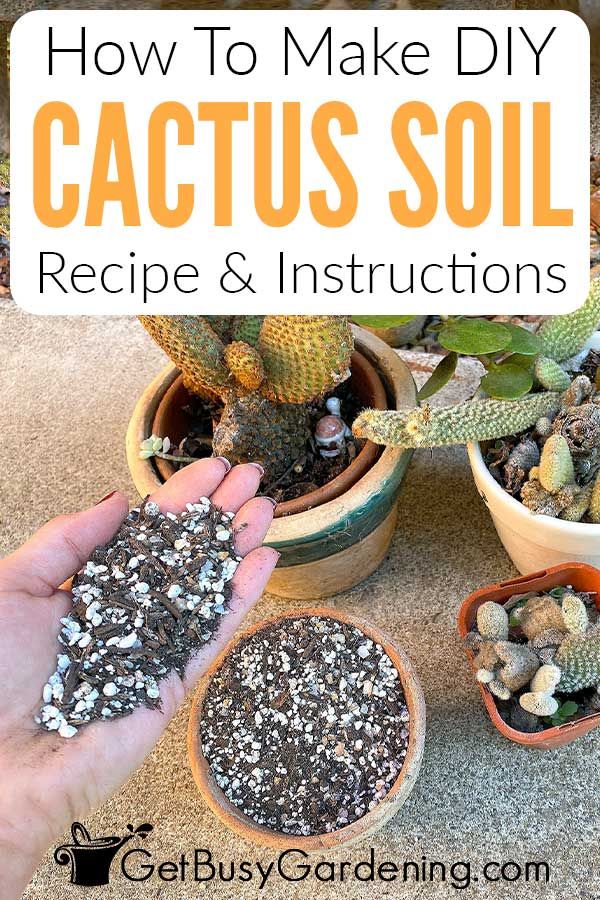
Creating a thriving environment for your succulents begins with the right soil mixture. But how can you tailor your soil to meet the specific needs of these delightful, drought-tolerant plants? What if making succulent soil at home could be an engaging challenge that unearths your landscaping creativity? Let’s embark on this journey together and explore a straightforward DIY recipe to concoct an ideal growing medium for your beloved succulents.
First, it’s essential to understand the unique characteristics that differentiate succulent soil from conventional potting mixtures. Succulents have evolved to store water in their leaves, stems, and roots, which means they require a soil blend that drains well yet retains some moisture for those dry spells. The secret lies in achieving a perfect balance of drainage and aeration. But how can you accomplish this right in your home? Let’s dig into the components of a stellar succulent soil mix.
When formulating your succulent soil, consider these primary ingredients: potting soil, coarse sand, perlite, and optionally, pumice or gravel. Each element serves a unique purpose in enhancing the soil’s texture, drainage, and nutrient profile.
Starting with potting soil as your base, select a high-quality, organic mixture. This foundation will provide essential nutrients and beneficial microorganisms that promote healthy root development. However, it’s crucial to avoid overly rich or heavy potting soils, which can retain too much moisture and ultimately suffocate your succulents.
Next, let’s introduce coarse sand into the blend. Coarse sand plays a pivotal role in improving drainage and preventing soil compaction. It is imperative to use coarse sand rather than fine sand, as the latter can hinder drainage and lead to root rot. Aim for a ratio of one part potting soil to one part coarse sand. This combination allows ample air circulation to the roots while ensuring moisture is available without causing waterlogging.
To further enhance drainage, perlite is your ally. This lightweight, volcanic glass helps aerate the soil and creates air pockets that promote root respiration. Infuse your mix with one part perlite for every two parts of your existing mixture. The fluffy texture of perlite boosts drainage dramatically, reducing the risk of fungal growth and root decay.
Consider adding pumice or gravel to your recipe for extra aeration and enhanced drainage capabilities. Pumice, a type of volcanic rock, adds weight and stability to the soil structure, making it less prone to erosion while retaining some moisture. If you’re using gravel, ensure it’s washed and sized appropriately to complement the rest of the mixture without becoming a large barrier to water movement.
Curious about how to mix these ingredients? It’s simpler than you might think. In a large mixing container or a designated media bin, combine the potting soil, coarse sand, and perlite (and pumice or gravel if desired) until evenly blended. The texture should feel light and gritty, allowing your fingers to sift through effortlessly. No clumps should remain, as they can impede water flow. Want to spice it up? Consider incorporating a slow-release fertilizer to nourish your succulents without overwhelming their delicate roots.
Once your soil is mixed to perfection, it’s time to test your creation. Fill a pot with your DIY succulent soil and plant your favorite succulent. Water it lightly, and observe how quickly the water drains through the soil. A well-balanced soil mix will allow excess water to escape swiftly while still retaining a little moisture for the plant to absorb.
Maintaining proper moisture levels is essential as well. Overwatering is a common pitfall for succulent caretakers. It’s always wise to allow the soil to dry out completely between waterings. Using a moisture meter can aid in determining the right time to hydrate your plants, particularly in the early stages when they are still acclimating to their new home.
Moreover, keep in mind that your local environment can affect your soil strategy. In humid climates, you might opt for additional drainage elements, whereas drier climates could call for a slightly more moisture-retentive mix. Tailoring your blend to your surroundings can make significant strides in optimizing your succulents’ health.
Creating your succulent soil at home not only fosters a sense of accomplishment but also provides you with a personalized medium that meets your plants’ specific needs. Remember, the journey of nurturing succulents is not merely about mixing ingredients—it’s about understanding their intricate requirements and becoming attuned to their growth patterns. So, ready to embark on this engaging challenge? Your succulents are waiting, and they’re eager to bask in the nourishing soil you’ve crafted just for them.





Leave a Comment