
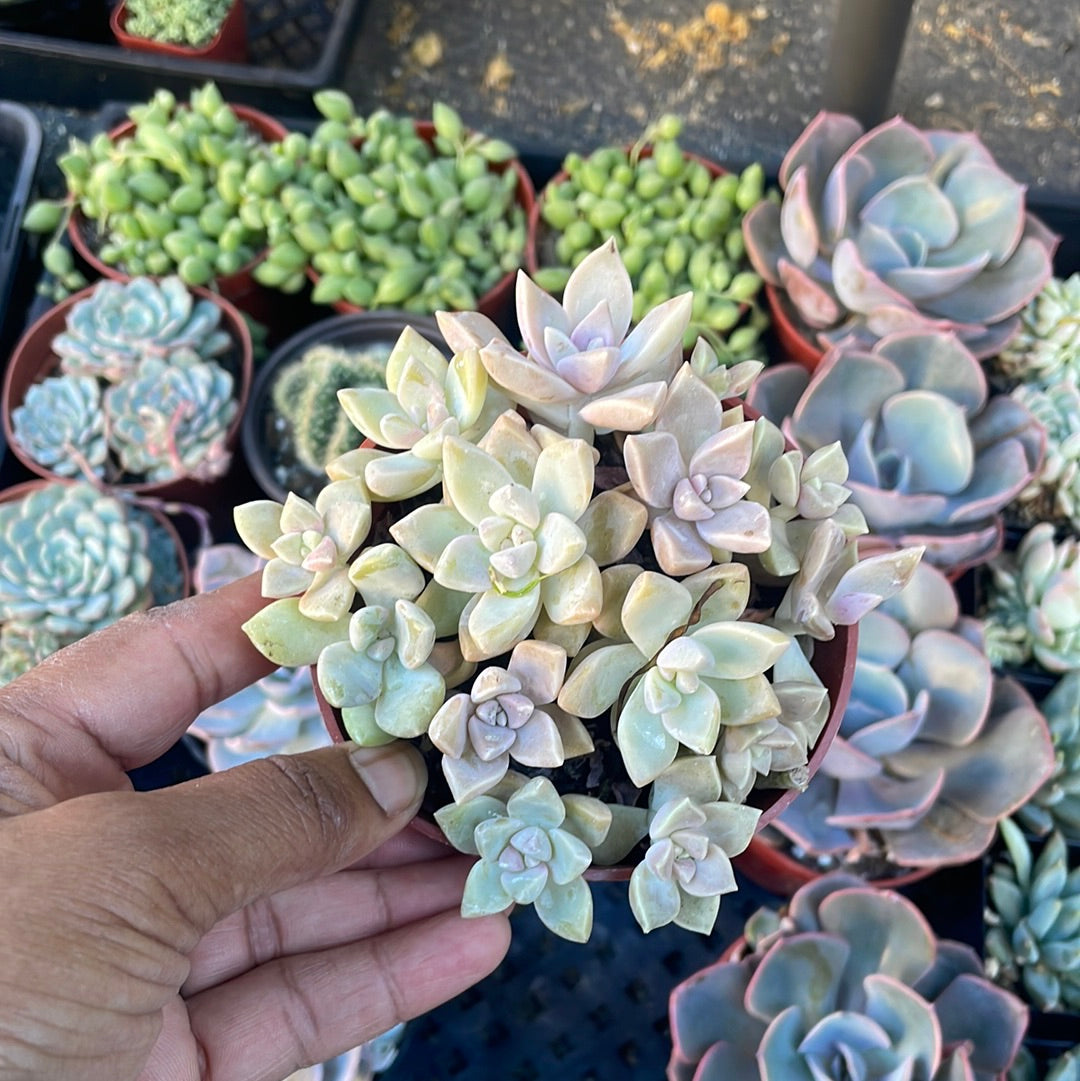
Propagating the Ghost Plant: Unlocking Nature’s Secrets
The Ghost Plant, scientifically known as Graptopetalum paraguayense, is a succulent that has captured the hearts of plant enthusiasts and novices alike. Characterized by its rosettes of silvery-blue leaves, this iconic succulent not only adds beauty to any collection, but it also offers an intriguing opportunity for multiplication through propagation. Understanding the intricacies of propagating this stunning echeveria relative can transform your gardening experience, offering not just more plants but a deeper connection with nature.
The allure of propagation lies in its simplicity. With the right approach, anyone can engage in this rewarding endeavor. Let’s delve into the essential methodologies, ensuring a detailed examination of how to effectively propagate your Ghost Plant.
Choosing the Perfect Mother Plant
The journey of propagation begins with selecting a robust mother plant. Look for a healthy specimen that exhibits vibrant coloration and plump leaves. This is crucial because the health of the parent plant directly influences the success of its offspring. A stressed or diseased plant may yield weak cuttings that struggle to establish roots.
Examine the leaf structure. Look for leaves that are firm and firm, free from any blemishes or signs of pests. The best candidates are those leaves that are mature, yet still pliable. Once you have chosen your ideal mother plant, it’s time to gather your tools and prepare for the propagation process.
Methods of Propagation: Leaf Cuttings and Offsets
The two predominant techniques for propagating the Ghost Plant are through leaf cuttings and offsets. Both methods have their unique merits and appeal to different levels of gardening expertise.
Leaf Cuttings: A Delicate Approach
Many succulent enthusiasts gravitate towards leaf cuttings as a preferred method. Using a sharp, sterile knife or scissors, gently twist or cut a healthy leaf from the mother plant. Aim to include a small portion of the stem, as this can enhance the success rate. After detaching the leaf, allow it to callus. This healing period usually lasts between 24 to 48 hours. Placing the leaf in a dry, shaded area is ideal for preventing rot.
After the callusing period, prepare a well-draining soil mix, ideally consisting of cactus mix or a blend of potting soil and sand. Position the cut end of the leaf onto the surface of the soil, ensuring that it’s barely resting on the substrate. Lightly mist the soil, avoiding over-saturation, and cover the propagation tray with a clear plastic lid or plastic wrap to create a greenhouse effect, ensuring humidity is maintained.
Offsets: Nature’s Gift
The second method, utilizing offsets—small plants that develop at the base of the mother plant—is almost whimsical. As the Ghost Plant matures, it sometimes produces offsets that can be gently removed without harming the parent. Use a clean knife to detach the offset along with a small section of its root if possible. Treat the wound similarly to leaf cuttings by allowing it to callus before planting.
When planting offsets, the same principles apply. A well-draining soil mix ensures that roots develop without the hindrance of excess moisture. Position the offset upright and lightly pack the soil around its base to support the structure. In time, you will witness your Ghost Plant thrive, revealing the fruits of your labor.
The Critical Growth Period: Patience and Care
Whether you opted for leaf cuttings or offsets, the next phase involves nurturing your new plants. It’s essential to provide optimal conditions. Position your propagation container in a place with bright, indirect sunlight. Direct sunlight can scorch tender cuttings and offsets, leading to stress and failure.
Monitor moisture levels diligently. The pendulum of succulents is striking a balance between drought and excess moisture. Allow the soil to dry out completely between waterings, and when you water, do so thoroughly until the excess drains out of the bottom. This method – known in horticultural circles as “soak and dry” – encourages deep root systems.
As weeks pass, you may begin to notice young roots forming. In roughly two to four weeks, leaf cuttings may begin to show signs of growth with new leaves emerging from the base, while offsets typically demonstrate signage of new growth within a similar timeframe. These cues are indicators of successful propagation and evidence of your horticultural prowess.
Transplanting: A New Chapter
Once the roots have established themselves sufficiently—often signaled by new growth—transplanting is the next logical step. Choose an appropriate pot that allows for growth while considering adequate drainage. Gently transfer your plant, taking care not to disturb the roots excessively. Fill in around the root ball with your succulent mix and water sparingly until the plant acclimates to its new home.
Conclusion: Celebrate Your Journey with Ghost Plants
In closing, the process of propagating Graptopetalum paraguayense can be a transformative experience that reconnects you with the rhythms of life and growth. Engaging with this delightful succulent not only cultivates your collection but also enriches your understanding of plant biology and nurturing practices. With every new plant you propagate, you contribute to the larger tapestry of nature, embarking on a journey that transcends mere gardening—it’s an exploration of life itself.



Leave a Comment