
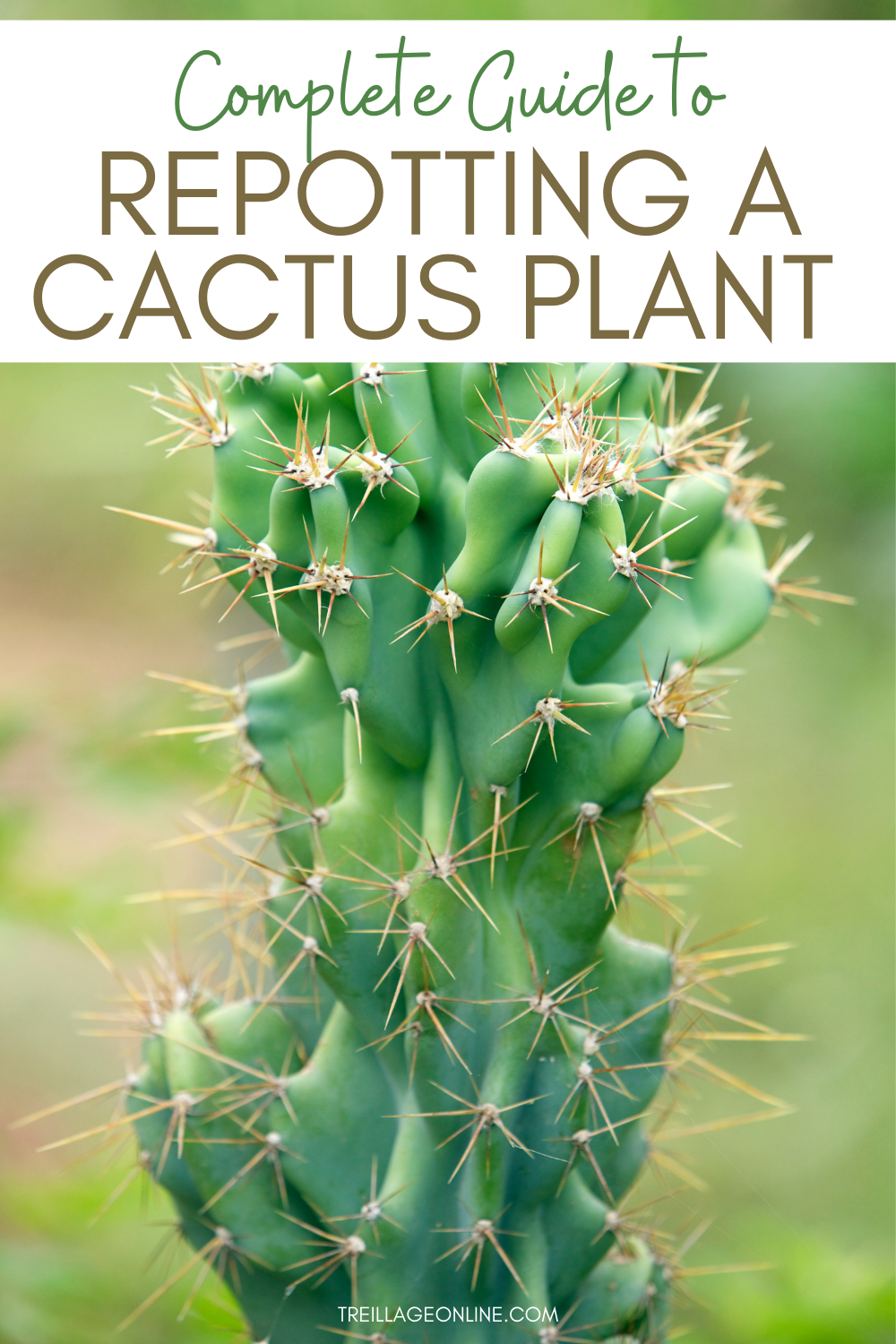
Cacti, with their unique adaptations to thrive in arid environments, require specific care when it comes to repotting. This process, often necessary for growth or to refresh the growing medium, can be straightforward if done correctly. Understanding the best practices is vital to minimize stress for these resilient plants. Below, find a comprehensive guide detailing how to repot your cactus efficiently and safely.
Before embarking on the repotting journey, it’s important to determine when and why your cactus needs a new home. Signs that it’s time to repot include excessive root confinement, visible roots protruding from the drainage holes of the pot, stunted growth, or a disheveled appearance. A general rule of thumb is to consider repotting every two to three years, or as needed based on the individual plant’s condition and pot growth.
Understanding the nuances of your specific cactus species is crucial. For example, while the popular Saguaro (Carnegiea gigantea) is best repotted during the late spring after flowering, smaller varieties like the Echinopsis or Mammillaria may benefit from repotting as soon as their roots become constrained. Timing can heavily influence the success of the process.
Choosing the Right Pot and Soil
The selection of an appropriate pot and suitable soil mixture is fundamental. Clay pots are often preferable as they provide breathability and facilitate moisture evaporation, reducing the likelihood of root rot. Ensure that the chosen pot has adequate drainage holes, allowing excess water to escape and preventing plant vulnerabilities.
In terms of soil, it is vital to use a mix explicitly designed for cacti and succulents. These blends typically incorporate varying proportions of perlite, coarse sand, and peat to ensure optimal drainage and aeration. Additionally, if you prefer a DIY approach, combining regular potting mix with sand and pumice in a ratio of 2:1:1 can yield an effective substrate, promoting robust growth.
Gathering Supplies Before You Start
Preparation is key to a seamless repotting experience. Before you begin, assemble the necessary tools: a trowel, gloves to protect against spines, a small watering can, and, if available, tweezers to manipulate fine roots. Having all tools at hand can help streamline the repotting process, ensuring each step is executed promptly.
Carefully Removing Your Cactus from Its Current Pot
To minimize distress to your cactus during the transition, gentle handling is paramount. Wear gloves well-suited for working with prickly plants or use folded newspaper to grip the cactus securely. Begin by gently squeezing the sides of the current pot to loosen the soil and roots. If needed, tap the base of the pot lightly; this action can encourage the plant to release its hold.
Once freed, examine the root system. Healthy cactus roots should appear firm and white. Trim away any mushy, blackened, or rotten roots with clean, sterile scissors. This promotes healthy growth in the new environment while eliminating potential sources of infection.
Introducing Your Cactus to Its New Home
Positioning your cactus in the new pot requires precision. Place a layer of fresh soil at the base, and carefully set the cactus atop this base layer, ensuring it sits at the same soil level as it did previously. Add soil around the sides, gently pressing to eliminate air pockets without compacting the drainage layer excessively. Remember, over-compacted soil can lead to root suffocation.
Once repotted, hold off on watering immediately. Allow the plant to acclimate to its new surroundings typically for about a week. This resting period helps to heal any root trauma incurred during the transition, vital in ensuring the plant adapts without significant stress.
Connecting with Your Cactus: Post-Repotting Care Tips
Maintaining the right balance in post-repotting care cannot be understated. Elevate your cactus care regimen by mimicking its natural habitat. Position it in an area that provides ample light but avoids direct scorching rays initially to prevent shock. Gradually acclimatize your cactus to full sunlight over a few weeks.
Watering should commence after the acclimatization period. Employ the soak-and-dry method, thoroughly watering the plant and allowing it to dry out completely before the next session. This method replicates natural rainfall patterns in arid regions and enables the cactus to absorb moisture efficiently.
Keeping a keen eye on environmental conditions is also critical. Cacti thrive in warm temperatures, ideally ranging from 70°F to 100°F during the day. In colder months, ensure the plant is kept away from drafts or cold windows to avoid chilling injury.
Embracing the Art of Repotting
Repotting a cactus doesn’t have to be a daunting task. With a focus on timing, preparation, and careful execution, you can provide your cactus with a stress-reducing transition into its new home. As you become more attuned to your cactus’s unique needs, you’ll not only enhance its living conditions but also strengthen your bond with these extraordinary plants. Celebrate the diversity within the cactus family and enjoy the rewarding experience of nurturing your spiny companions.




Leave a Comment