
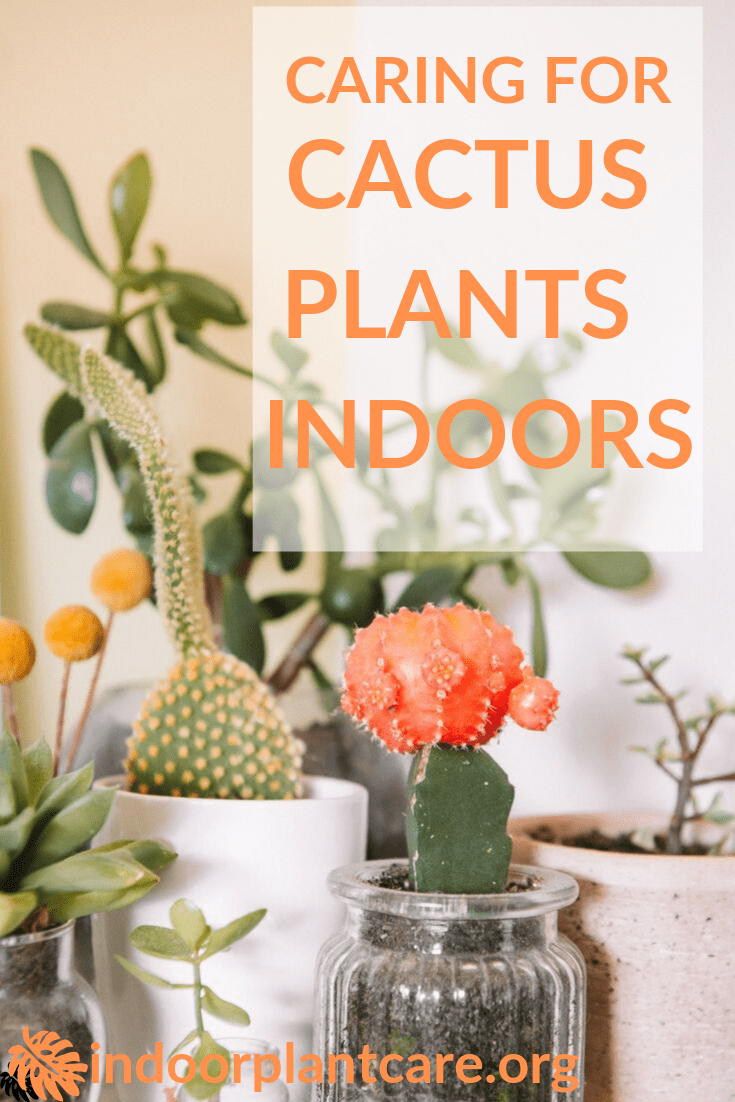
Cacti, with their intriguing shapes and vibrant blooms, offer a unique allure for indoor gardening enthusiasts. These remarkable plants thrive in arid conditions and possess a fascinating ability to adapt through drought. Caring for a cactus indoors can be an enriching experience, fostering not only a connection to nature but also a deeper appreciation for these resilient specimens. This guide delves into the essentials of cactus care, addressing the needs of these extraordinary plants and the reasons they captivate the hearts of many.
Understanding the unique characteristics of cacti is the cornerstone of successful indoor cultivation. Known for their thick, fleshy stems and spines, cacti are members of the family Cactaceae. They store water efficiently, allowing them to flourish in environments with scarce moisture. For indoor hobbyists, this translates into relatively low-maintenance plants that can add beauty and intrigue to any space.
Light: The Life Source for Your Cactus
One of the most critical factors in the care of indoor cacti is light. These plants thrive in bright, direct sunlight. An optimal location is typically a south or west-facing window where they can receive ample light throughout the day. Without sufficient sunlight, cacti will start to exhibit signs of distress, such as elongation or an increased inclination to develop fungus.
It is essential to understand that there are different varieties of cacti, and their light preferences may vary. While some may flourish in full sun, others, like certain forest-dwelling cacti, prefer bright indirect light. Therefore, it is crucial to know the specific needs of your cactus species. Regularly rotating the pot can also ensure that all sides receive adequate light, promoting even growth.
Water: The Balancing Act
Watering is perhaps the trickiest aspect of cactus care. As desert dwellers, cacti are accustomed to surviving long periods without moisture. The general rule of thumb for indoor cacti is to water them sparingly. During the growing season, which typically spans from spring to summer, cacti should be watered every two to three weeks, depending on the environmental conditions. In the dormant winter months, reduce watering to once a month or even less, allowing the soil to dry out completely between waterings.
Overwatering is the most common pitfall for novice cactus caretakers. Signs of overwatering include mushy stems, yellowing, and root rot. To prevent such calamities, it’s advisable to use a well-draining cactus soil mix, which can be further augmented with sand or perlite to enhance drainage capabilities. Ensure that the pot has drainage holes to allow excess water to escape, preventing the roots from sitting in water.
Temperature and Humidity: The Golden Middle
Cacti are generally hardy when it comes to temperature tolerance. Most indoor varieties prefer a warm environment, ideally between 70°F to 100°F (21°C to 37°C). However, they can withstand cooler conditions, down to around 50°F (10°C), during their dormant phase in the winter months. Rapid fluctuations in temperature should be avoided, as they can stress the plant.
Humidity levels are another consideration. Cacti thrive in dry environments, and indoor humidity is often higher than their native arid habitats. To replicate their ideal conditions, keep indoor humidity low. If you notice excessive humidity, proper air circulation becomes crucial; this can be achieved by ensuring good ventilation in the room or using a fan to distribute the air evenly.
Fertilization: Nourishing Your Cacti
While cacti are not heavy feeders, they do benefit from a balanced fertilizer during their growing season. A diluted liquid fertilizer formulated for cacti or succulents can be applied every four to six weeks from spring through early fall. This supplementation nourishes the plant, promoting vibrant colors and healthy growth. During the dormant months, refrain from fertilizing, as the plant enters a period of rest.
Pest Management: Shielding Against Intruders
Even the most robust cacti can fall victim to pests. Common inhabitants include mealybugs, spider mites, and scale. Regularly inspecting your plants for any signs of infestation is crucial. When detected, pests can often be removed with a soft cloth or cotton swab dipped in rubbing alcohol. For more severe infestations, an insecticidal soap or neem oil may be necessary.
Repotting: The Renewing Process
As they grow, cacti may outgrow their pots, necessitating repotting. This typically occurs every two to three years, depending on the growth rate. Choose a pot that is just one size larger and ensure it has ample drainage. Repotting can be performed in the spring, just before the growing season begins, minimizing stress and allowing the cactus to adapt to its new home smoothly.
Conclusion: Cultivating Connection
Taking care of a cactus indoors unveils a rewarding journey filled with learning and discovery. Each aspect of their care fosters a closer relationship with these resilient plants, highlighting their wonderful adaptability. Observing their growth can become a source of deep fascination, encouraging a mindful engagement with nature. Through appropriate light, careful watering, and attention to their unique characteristics, cultivating a cactus indoors can be a gratifying endeavor and a testament to the beauty of life that thrives in the most unexpected of places.




Leave a Comment