
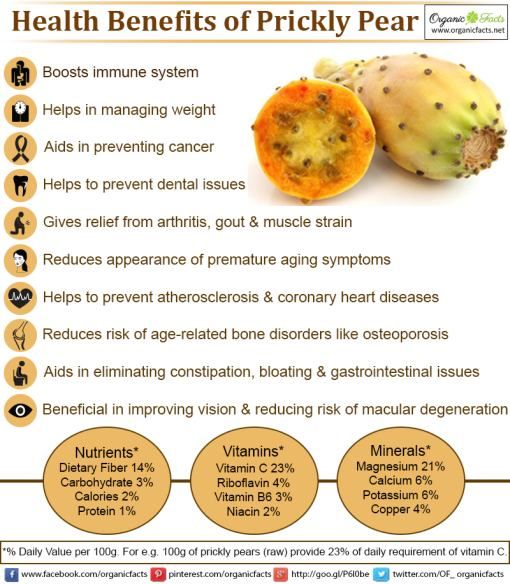
Cactus fruits, commonly known as prickly pears or nopalitos, are not just aesthetically pleasing but also packed with a myriad of health benefits that make them a worthy addition to any diet. This humble desert fruit has garnered attention for its nutritional properties and potential health advantages. Understanding the various aspects of cactus fruit can aid individuals in making informed dietary choices.
The botanical name for the cactus fruit is Opuntia, which belongs to the Cactaceae family. Its bright colors and unique flavor profiles add versatility to dishes, but it’s the nutritional punch that positions it as a superfood in many health-conscious circles. Let’s delve into the specific health benefits you should know about to fully appreciate what cactus fruit has to offer.
Rich in Nutrients and Antioxidants
Cactus fruit is a veritable treasure trove of essential nutrients. It predominantly consists of vitamins C and B, as well as dietary fiber. Vitamin C plays a crucial role in immune function and skin health, while B vitamins are essential for energy metabolism and red blood cell production. The fibrous content in cactus fruit aids in digestion, ensuring a healthy gut.
Beyond vitamins, cactus fruit is adorned with antioxidants such as flavonoids and carotenoids. Antioxidants are vital in combating oxidative stress, which can lead to chronic diseases. The presence of these compounds contributes to the potential cancer-fighting properties of the fruit, making it a compelling option for those seeking to bolster their overall health.
Promotes Hydration
Due to its high water content—approximately 90%—cactus fruit is an excellent hydration source. Staying hydrated is essential for every physiological function, including temperature regulation and nutrient distribution. Consuming cactus fruit can be especially beneficial in arid climates or during hot weather, providing a refreshing way to maintain proper hydration levels.
Moreover, the hydrating properties extend beyond mere liquid intake. The mineral content of cactus fruit, including potassium and magnesium, supports electrolyte balance, vital for muscle function and energy production. This attribute makes cactus fruit a particularly appealing option for athletes and active individuals looking for natural ways to replenish after intense workouts.
Supports Weight Management
Incorporating cactus fruit into a balanced diet may aid in weight management due to its low-caloric nature and high fiber content. Fiber plays a pivotal role in promoting satiety, which can mitigate overeating and unnecessary snacking. As this fruit fills you up with fewer calories, it aligns well with those on a weight loss journey.
Furthermore, the unique polysaccharides found in cactus fruit have been linked to lowered blood sugar levels. The potential to regulate blood sugar can assist in managing cravings and maintain steady energy levels throughout the day, providing another avenue for weight control. When combined with a balanced diet and regular exercise, cactus fruit can serve as a beneficial ally in achieving and maintaining a healthy weight.
A Natural Remedy for Digestive Health
The fiber in cactus fruit is not solely beneficial for promoting satiety; it also enhances digestive health. Nopal cactus contains both soluble and insoluble fiber, promoting regular bowel movements and preventing constipation. Such digestive benefits contribute to overall gut health, allowing for better absorption of nutrients.
The mucilage present in cactus fruit is another factor contributing to its gastroprotective properties. It acts as a natural lubricant, which can soothe the intestinal lining. Some cultures have historically used cactus fruit as a natural remedy for gastrointestinal issues, including heartburn and upset stomach. While more research may be needed, these traditional uses highlight the potential health benefits of this often-overlooked fruit.
Potential Benefits for Heart Health
Cardiovascular health is another area where cactus fruit shines. The fruit’s abundance in antioxidants, vitamins, and fiber contributes to heart health by lowering cholesterol levels and reducing blood pressure. The plant sterols found in prickly pears have been shown to lower LDL (bad cholesterol) levels, contributing to a reduced risk of heart disease.
Moreover, the magnesium in cactus fruit plays an integral role in regulating blood pressure. It aids in relaxing blood vessels, ensuring smooth blood flow. For those at risk of hypertension or other cardiovascular issues, including cactus fruit in your diet may serve as a preventative measure worth considering.
Conclusion: An Invigorating Addition to Your Diet
In summary, cactus fruit offers a myriad of health benefits, ranging from nutritional richness to supportive roles in hydration, weight management, digestive health, and cardiovascular well-being. Whether enjoyed on its own, blended into smoothies, or used to elevate savory dishes, this compelling fruit is versatile and nutritious. Embracing cactus fruit can enhance your culinary repertoire while simultaneously promoting better health outcomes. Incorporating it into your diet allows you to savor its unique flavors while reaping the extensive health benefits that nature provides.





Leave a Comment