
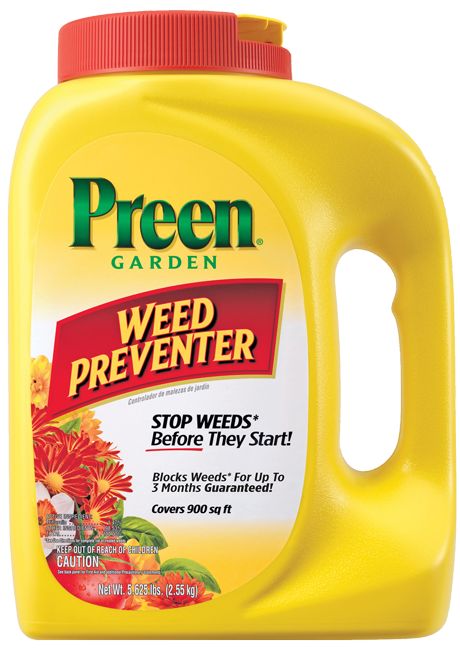
Understanding the mechanics of garden maintenance involves various elements, including the application of pre-emergent herbicides. Among the products available on the market, Preen garners attention for its efficacy and utility in controlling unwanted plant growth. This article aims to dissect the nature of Preen and elucidate its function and applicability in horticulture.
Preemergent herbicides like Preen are designed to prevent weed seeds from germinating. They work by forming a barrier in the soil that inhibits the development of undesirable vegetation. These herbicides are most beneficial when applied before weed seeds have the opportunity to sprout, hence the term “pre-emergent.” The chemical composition in Preen primarily focuses on preventing the growth of annual weeds and grass species.
Essentially, the question arises: Is Preen a suitable pre-emergent solution for your garden? The answer is nuanced, requiring a deeper understanding of how Preen interacts with both soil and plant biology.
Benefits of Using Preen
Employing Preen as a pre-emergent herbicide brings a multitude of advantages to the gardening process. Firstly, it allows the cultivation of desirable plants without the competition posed by rampant weeds. This chemical barrier, when applied correctly, ensures that vital nutrients, sunlight, and moisture are not monopolized by unwanted growth.
Additionally, Preen is relatively easy to use. It comes in granular or liquid forms, accommodating different application preferences and garden layouts. Moreover, the product is particularly effective in various settings, ranging from flower beds to vegetable gardens. Users appreciate the minimal adverse effects on established plants, allowing gardeners to nurture their favored species without undue hindrance.
Lastly, Preen boasts a prolonged efficacy period. Depending on weather conditions and soil characteristics, its protective barrier can last for several months, significantly diminishing the need for frequent reapplications. This attribute contributes to a more manageable gardening experience, as it allows for a more hands-off approach.
Mechanism of Action: How Preen Functions
The efficacy of Preen hinges on its active ingredients, which disrupt the germination process of weed seeds. The chemical compounds in Preen target specific biological pathways involved in seed development. When applied to the soil surface, the granules or liquid form penetrate the upper soil layers where they become bioavailable to newly germinating seeds.
Upon contact, these herbicidal compounds interfere with cell division and root development, impairing the seeds’ ability to sprout successfully. This mechanism is specific to annual weeds and does not affect perennial plants or established flora, making Preen a selective option for garden maintenance.
It’s important to note that the conditions under which Preen is applied can significantly impact its effectiveness. Factors like moisture, soil temperature, and coverage can dictate the degree of control achieved. Thus, applying Preen just before expected rain or irrigation can enhance its distribution and activation within the soil.
Proper Application Techniques for Optimal Results
To maximize the benefits of Preen, adhering to best practices during application is essential. Timing is a critical factor; applying Preen during the early spring and again in late summer can significantly reduce weed emergence during peak growing seasons. Checks for local weather conditions can also optimize results since applying Preen before rain helps activate its weed-preventive properties.
Soil preparation is another pivotal step. Raking the area to remove debris and ensuring a fine soil texture allows for better contact between the granules and the soil, thus improving effectiveness. After application, light watering aids in the establishment of the chemical barrier without causing runoff that could diminish the herbicide’s efficacy.
Moreover, gardeners should be mindful of the spacing between desired plants. Preen is designed to inhibit seed germination rather than affect existing plants. Therefore, ensuring proper spacing not only accommodates the desired growth but also allows Preen to function optimally without unintended consequences on established beds.
Environmental Considerations: Ecological Impact of Preen
While Preen has garnered a reputation for its efficiency in controlling weeds, its ecological ramifications warrant consideration. Understanding how herbicides interact with local ecosystems is essential for responsible gardening. Preen, like any herbicide, has the potential to affect non-target species; hence, caution should be exercised during application.
It remains critical to abide by the manufacturer’s instructions regarding application rates and timing. Overapplication not only compromises plant health but also threatens neighboring ecosystems, including beneficial insects and soil organisms. By fostering a healthy garden ecosystem, the potential adverse effects of herbicides can be minimized.
Conclusion: Is Preen Right for Your Garden?
In evaluating whether Preen is an appropriate pre-emergent for your gardening needs, several factors come into play, including the types of plants you wish to cultivate, your specific gardening goals, and the ecological implications of using a chemical herbicide. When utilized properly, Preen can serve as a pragmatic solution to combat unwanted weeds while promoting robust growth of desired plant species.
Ultimately, informed and judicious use of Preen can lead to a thriving garden that minimizes the challenges posed by invasive weed growth. By recognizing its strengths and limitations, gardeners can harness its capabilities to maintain pristine and flourishing spaces.




Leave a Comment