
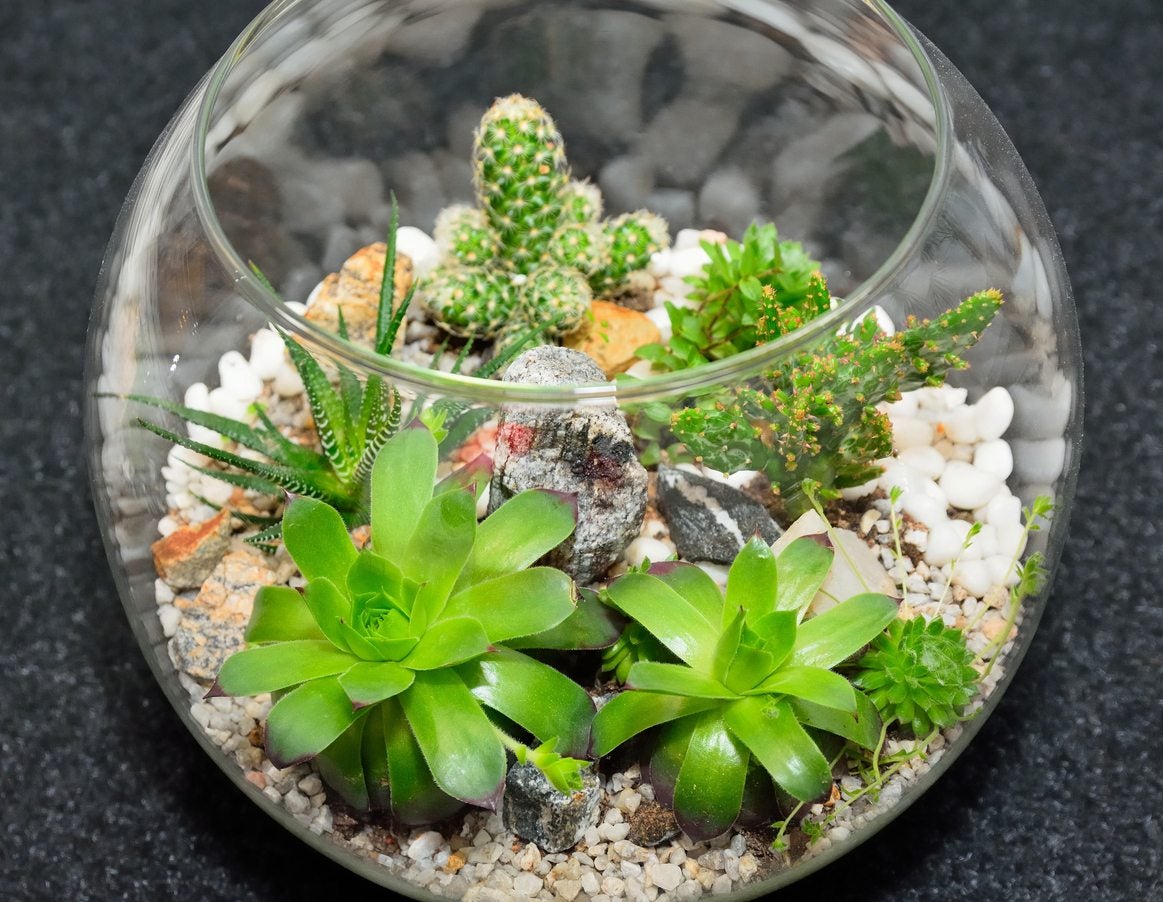
Creating a succulent terrarium is a captivating endeavor that merges botanical science with artistic expression. Layers play a fundamental role in establishing a thriving micro-ecosystem, allowing the plants to flourish as intended. This intricate dance of components not only serves a practical purpose but also enchants observers with its vibrant aesthetic. Let us delve into the layers that form the foundation of a successful succulent terrarium.
Understanding the intricacies of each layer reveals not just a methodical approach to planting, but also an exploration of natural themes. Each component serves its own distinct purpose, fostering both health and beauty within your miniature landscape.
Soil: The Nourishing Bedrock of Roots
The first layer and arguably the most crucial is the soil. A well-chosen soil mix can make all the difference in the health of your succulents. It is essential to utilize a fast-draining soil specifically formulated for cacti and succulents. These blends often contain a mix of potting soil, sand, and perlite or gravel, providing exceptional drainage. The porous nature of these ingredients prevents water from accumulating around the roots, which can lead to rot—a silent peril in succulent care.
Uniformly distributing the soil to a depth of about 2 to 3 inches allows the roots adequate space to establish themselves. One might wonder why the quality of soil matters so deeply; the answer lies in the delicate balance that succulents maintain between moisture and dryness. The right mix supports their natural adaptations and promotes vigorous growth.
Activated Charcoal: The Purifying Shield
Above the soil layer, a thin layer of activated charcoal serves not only to lend a clean aesthetic but also to enhance the overall health of your terrarium. Activated charcoal is celebrated for its ability to absorb impurities and toxins, thus ensuring a pristine environment for your succulents. This layer, typically only about half an inch thick, acts as a buffer, absorbing stagnation and preventing foul odors.
The inclusion of activated charcoal reflects a deeper connection to nature’s purification processes. In a closed system like a terrarium, maintaining a balanced ecosystem is crucial. Through this small addendum, you create a microhabitat that functions harmoniously, akin to Mother Nature’s design in the wild.
Decorative Stone Layer: Aesthetic and Functional Benefits
Next comes the decorative layer of stones or pebbles, which serves both practical and visual purposes. A shallow layer of decorative gravel, typically two-thirds of an inch thick, not only enhances the aesthetic appeal of the terrarium but also aids in drainage. When watering your succulents, excess water can trickle down through the soil and onto the stones, where it will evaporate more quickly.
The visual impact of this layer is not to be understated. Colorful stones, polished pebbles, or even decorative sand can transform the interior landscape into an artful display that reflects personal style. This layer also provides a training ground for your imagination; the variety of textures and colors available opens the door to personalized designs. The casual observer may only see a beautiful arrangement, while the discerning gardener understands the diligent function behind this layer.
Filler Layer: Supporting Succulent Growth
Before placing your succulents, a filler layer of small rocks or larger pebbles can be added. This layer creates a foundation for the plant bases, elevating them slightly above the soil, which promotes better aeration. The contrast of textures and heights draws attention to the succulent plants, enhancing their allure.
Consider using decorative rocks that complement the color palette of your succulents. This added layer not only supports the plants but invites curiosity. What hidden ecosystems might exist between the stones? What delicate relationships are forged in the quest for sustenance?
Relishing the Plant Layer: Choosing Your Succulents Wisely
Finally, we arrive at the most dynamic aspect of the terrarium—the succulent layer itself. Choosing the right succulents involves an understanding of their respective needs and aesthetics. Varieties such as Echeveria, Jade, and Haworthia can coexist in harmony, provided they enjoy similar environmental conditions.
The placement of succulents should be strategic. Taller varieties may anchor the back of the terrarium, while trailing succulents can spill elegantly over the edges of the container, creating an enticing visual. The charm lies in how these plants interact with their environment; will they reach for the light or unfurl their leaves in dramatic fashion?
Arranging succulents with an eye for balance and proportion can create a captivating landscape. The interplay of colors, shapes, and textures underlines the wonder of botanical beauty, inviting admiration and reflection.
Maintenance: Nurturing Your Succulent Ecosystem
Once your terrarium is complete, understanding maintenance is crucial to its long-term success. Regularly monitor moisture levels, ensuring that the soil dries out at the surface before watering again. Pay attention to light conditions, as succulents typically thrive in bright, indirect sunlight. Remove any dead foliage or debris to prevent disease. This ongoing engagement with your terrarium cultivates more than just plants; it nurtures your own connection to nature.
In conclusion, the layers of a succulent terrarium are not just functional; they weave a narrative of life, growth, and beauty. Each layer complements the others in creating a miniature ecosystem that enchants and delights. As you embark on creating your terrarium, may you uncover the deeper wonders of nature, poised within your glass enclosure, just waiting to be appreciated.



Leave a Comment