
Succulent plants have garnered immense popularity for both seasoned horticulturists and casual gardeners alike. Their striking aesthetic appeal, coupled with their low-maintenance requirements, make them an ideal choice for anyone looking to enhance their indoor or outdoor space. This article delves into some of the most common succulent species that you may want to consider adding to your collection, addressing crucial concerns such as care, placement, and compatibility with other plant types.
Embracing the allure of succulents means recognizing their diversity, which spans thousands of species. Each succulent exhibits unique characteristics, ensuring that even the most discerning plant enthusiast can find something to suit their style. Below are several standout varieties that epitomize the charm of the succulent world.
Not only do they offer visual interest, but their resilience is also a primary concern for potential buyers. Understanding the care needs and the ideal conditions for each type can alleviate concerns regarding their longevity and health.
Understanding the Optimal Conditions for Succulents
For those new to succulents, a common inquiry revolves around their specific care requirements. Most succulents thrive in bright, indirect sunlight, making a west or south-facing windowsill an excellent location. It’s vital to ensure proper drainage to prevent root rot, which is a prevalent issue among succulent enthusiasts. Using a gritty, well-draining soil mix—often a combination of potting soil, sand, and perlite—can promote healthy root systems and prevent water accumulation.
The watering regimen is another key point of concern. Succulents favor a “soak and dry” method; when the top inch of soil feels dry, it’s time to water again. This approach helps acclimate the succulent to its natural habitat, mimicking the arid conditions of their origins. Establishing this rhythm can also encourage root development, contributing to the succulent’s overall vitality.
Identifying Popular Succulent Varieties
Among the myriad of succulent plants available to collectors, certain types stand out due to their unusual forms, vibrant colors, or interesting growth habits.
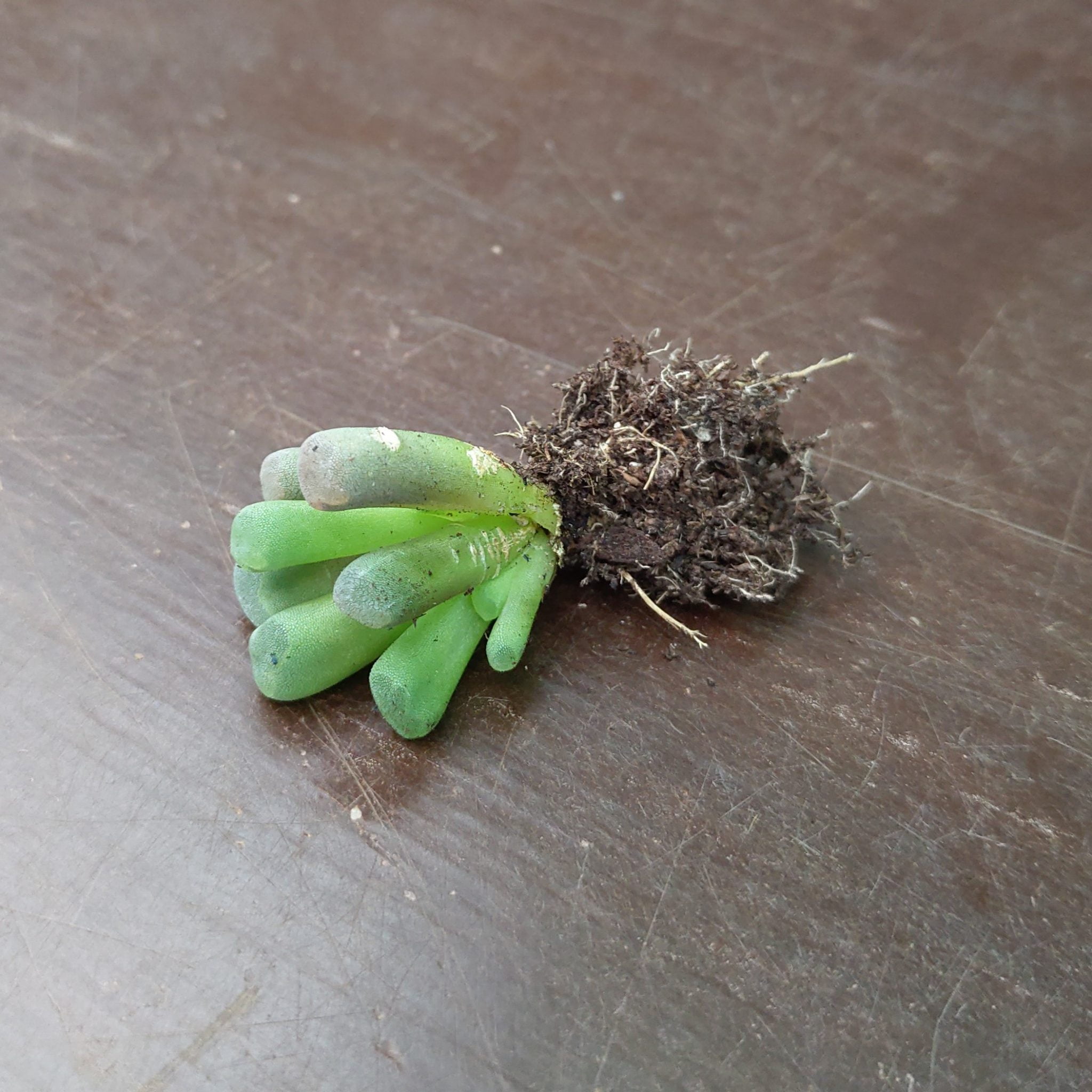
Adromischus cristatus
Commonly known as the “Crinkle Leaf Plant,” Adromischus cristatus features thick, crinkled leaves that exude an unmistakable charm. Its compact growth habit makes it an excellent candidate for small spaces or terrarium arrangements. This succulent produces clusters of adorable pinkish flowers during the growing season, adding a splash of color to any collection. It’s an ideal choice for those who prefer a more whimsical, yet resilient plant.
Haworthia
The Haworthia genus encompasses numerous species, boasting an array of shapes and colors, making it one of the most popular choices among collectors. Known for their rosette-forming habit, these succulents flaunt thick, fleshy leaves that often exhibit fascinating patterns—some resembling the look of beautifully glazed pottery. Haworthias thrive in bright, indirect sunlight and can easily adapt to life in low-light conditions. Their hardy nature addresses a key buyer concern; they can tolerate neglect and still thrive.
Agave
Turning to the larger side of the succulent spectrum, Agave species command attention with their architectural elegance. Characteristically, Agaves present thick, spiky leaves that can range from deep green to stunning blue-gray hues. Frequently used in landscaping due to their dramatic presentation, they also serve as striking indoor specimens in larger pots. Agave plants require moderate watering and enjoy full sunlight, making them suitable for well-drained garden beds as well as patios. Their impressive presence can alleviate concerns for buyers looking for a unique focal point in their plant collection.
Many plants have additional considerations for optimal growth. Succulents require well-draining soil, and using pots with drainage holes is imperative for preventing root rot. By providing the right balance of light, soil, and moisture, plant lovers can enjoy flourishing succulents year-round.
Assessing Synergy in Your Collection
When adding plants to your collection, considering their compatibility is essential. Many succulents share similar care requirements, but shading needs can vary significantly. For instance, pairing sun-loving varieties like Echeveria with shade-tolerant plants can lead to unhealthy growth or even plant death. By grouping succulents with similar light and moisture needs, collectors can create harmonious arrangements that enhance both aesthetic appeal and healthy growth.
Securing Your Succulent Legacy
Investing in succulents can be incredibly rewarding, especially as they often flourish with minimal maintenance. Each succulent possesses a unique charm and character, enriching your living space and serving as a conversation starter. Through understanding the respective care needs of each variety, potential buyers can confidently curate their collection, ensuring a vibrant display of flora that reflects their personal style.
With the right conditions and a careful selection of species, anyone can foster a thriving succulent collection. From the compact Crinkle Leaf to the grandiose Agave, the world of succulents awaits your exploration. Each plant is not just a decorative piece; it offers a glimpse into the fascinating adaptations of flora thriving in arid environments.



Leave a Comment