
Natural cactus reserves are remarkable ecosystems that showcase the extraordinary resilience and diversity of these fascinating plants. Found across various regions of the globe, these reserves serve not only as sanctuaries for cacti but also as educational sites for botanists, ecologists, and nature enthusiasts alike. This article delves into some of the most notable cactus reserves in the world, exploring their significance, the unique species that thrive within their boundaries, and the recreational opportunities they offer.
Understanding the habitats in which cacti flourish provides insight into their adaptations and ecological roles. Cacti are primarily found in arid, semi-arid, and tropical desert environments. The character of these regions greatly influences the morphology and physiology of the cacti that inhabit them. Exploring these different environments reveals the depths of biodiversity and the relationships that exist between cacti and their ecosystems.
When seeking to experience the unparalleled beauty of natural cactus reserves, several prominent locations stand out.
Cactaceae Wonders of the Sonoran Desert
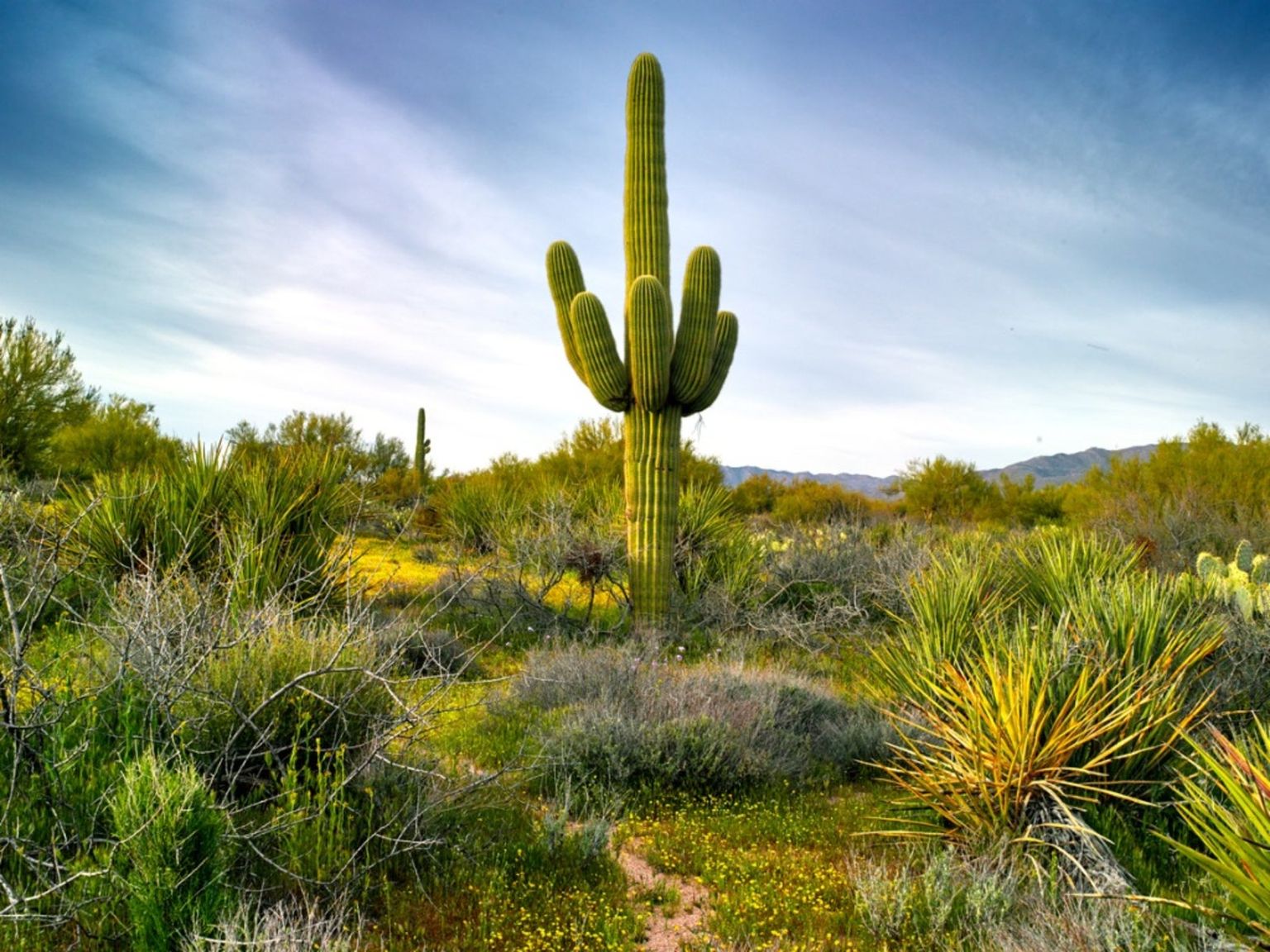
The Sonoran Desert, straddling Arizona and California in the United States, is one of the most iconic habitats for cacti. The reserve is home to the majestic Saguaro cactus (Carnegiea gigantea), which has come to symbolize the American Southwest. These giant cacti can grow to be over 40 feet tall and can live for more than 150 years, making them among the longest-lived plants in North America.
The unique climatic conditions of the Sonoran Desert foster a rich tapestry of plant species. This reserve boasts over 50 varieties of cacti, including the vibrant organ pipe cactus (Stenocereus thurberi) and the beautifully flowering fishhook barrel cactus (Ferocactus wislizeni). Visitors can engage in hiking, guided tours, and educational programs that illuminate the critical importance of these plants to the desert ecosystem.
The Sonoran Desert is more than just a home for cacti; it is a living classroom about survival in extreme conditions. Observing how these cacti adapt to the harsh climate, including their ability to store water and withstand intense sunlight, enhances appreciation for their resilience. Additionally, unique pollination relationships exist between cacti and various bird species, showcasing intricate ecological interdependencies.
Adventurous Exploration in the Atacama Desert
Farther south, the Atacama Desert in Chile is renowned as one of the driest places on Earth. Despite its arid conditions, it is an important habitat for several cactus species, including the Copiapoa genus, often referred to as “the golden cactus” due to their striking yellow blooms. The reserves in this region have cultivated a reputation for their ethereal landscapes and remarkable biodiversity.
The landscape of the Atacama is dotted with unique geological formations that create a stark backdrop for its endemic cacti. This arid environment forces plants to develop unique adaptations, like thick, waxy skins to minimize water loss and shallow root systems that can quickly absorb whatever moisture is available. The flora of the Atacama, particularly its cacti, contributes extensively to our understanding of desert ecology and climate resilience.
Tourism in the Atacama Desert provides opportunities for outdoor enthusiasts to explore its vast expanses through trekking, photography, and stargazing. This desert is home to one of the clearest night skies on the planet, making it a haven for astronomers and stargazers alike. Guided tours offer insight into both the natural wonders and cultural history, revealing the interconnectedness of life within this stark landscape.
Enchanting Diversity of the Chihuahuan Desert
Spanning parts of New Mexico, Texas, and Mexico, the Chihuahuan Desert is another significant reservoir of cactus diversity, hosting species like the prickly pear (Opuntia) and the blue barrel cactus (Ferocactus cylindraceus). This reserve features a blend of cholla and yucca, alongside sprawling grasslands and shrublands. The Chihuahuan Desert is known for its climate, which experiences temperature extremes and seasonal rainfall.
In these reserves, visitors can learn about the ecological importance of cacti and their role in sustaining local wildlife, including birds, insects, and mammals. Cacti provide essential food sources and habitats, and their presence is crucial for maintaining biodiversity in the desert ecosystem.
Birdwatching is especially popular in the Chihuahuan Desert, as many migratory species utilize these habitats during their journeys. Educational programs often highlight not only the flora but also the fauna that depend on these unique environments. Reveling in the mélange of sights and sounds becomes a sensory expedition into the very heart of desert life, highlighting the splendid complexity of these ecosystems.
Conservation Efforts in Cactus Reserves
As we navigate the world of cactus reserves, it is imperative to recognize the conservation challenges they face. Habitat destruction, climate change, invasive species, and poaching threaten these delicate ecosystems. Efforts to champion conservation are vital in preserving the integrity of these natural landscapes and the cacti that thrive within them.
Many reserves have implemented measures to protect their biodiversity, including reforestation programs, educational outreach, and partnerships with local communities. Engaging the public in conservation initiatives fosters a deeper understanding of ecological relationships and the importance of preserving these unique habitats for future generations.
Conclusion
In conclusion, natural cactus reserves around the world offer a splendid glimpse into the adaptability and resilience of cacti. From the towering saguaros of the Sonoran Desert to the enchanting landscapes of the Atacama and the Chihuahuan Desert, these ecosystems stand as testaments to nature’s ingenuity. By visiting and supporting these reserves, individuals help ensure that the stories and splendor of these remarkable plants continue to thrive for years to come.



Leave a Comment