
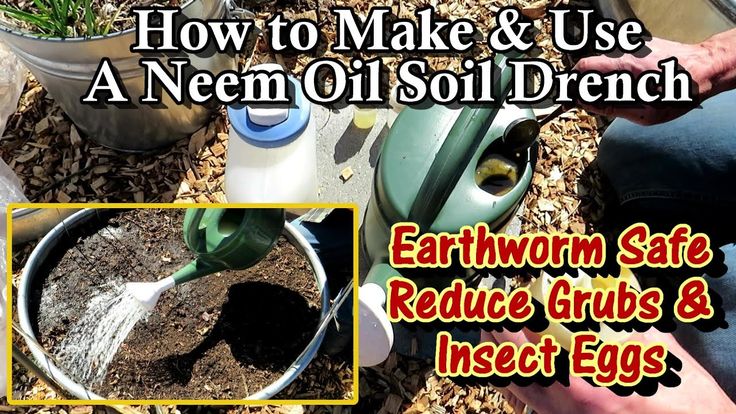
Neem oil, derived from the seeds of the Azadirachta indica tree, is a natural pesticide and fungicide renowned for its multifaceted applications in agriculture and horticulture. Over the years, it has gained immense popularity among gardeners and plant enthusiasts, particularly when used as a soil drench. This comprehensive guide delves into the mechanisms, application methods, and benefits of utilizing neem oil as a soil drench to fortify your plants against various pests and diseases.
Understanding the Mechanism of Neem Oil
The efficacy of neem oil can be ascribed to its active compound, azadirachtin, which possesses insecticidal properties. When applied to the soil, neem oil penetrates the root zone and is subsequently absorbed by the plants. This process facilitates the systemic action of the oil, enabling it to travel through the plant’s vascular system. The result is a fortified plant that is more resilient to pest invasions and fungal infections. Furthermore, neem oil disrupts the life cycle of many insect pests, including aphids, whiteflies, and spider mites, by inhibiting their ability to molt and reproduce.
Benefits of Using Neem Oil as a Soil Drench
Employing neem oil as a soil drench offers a plethora of advantages. First and foremost, it is an organic solution. By opting for neem oil, gardeners can eschew synthetic chemicals, which can harm beneficial organisms in the soil. Additionally, neem oil provides a dual-action approach: it repels pests while simultaneously preventing the onset of fungal diseases. This proactive measure not only helps in controlling existing infestations but also plays a pivotal role in creating an inhospitable environment for potential invaders.
Moreover, neem oil is rich in essential nutrients, which can further enhance soil health. Its micronutrients contribute to robust root development, fostering overall plant vigor. Eco-friendly and biodegradable, neem oil breaks down quickly in the environment, making it a sustainable choice for long-term application.
How to Prepare and Apply Neem Oil as a Soil Drench
To maximize the benefits of neem oil, proper preparation and application are crucial. Here is a detailed step-by-step guide on how to effectively use neem oil as a soil drench:
1. **Gather Your Materials**: You will need cold-pressed neem oil, a clean spray bottle or watering can, some water, and, optionally, a mild soap that acts as an emulsifier.
2. **Create the Solution**: Mix one to two tablespoons of neem oil with one gallon of water. To enhance emulsification, add a few drops of mild liquid soap. This will assist in dissolving the oil in water, ensuring an even distribution.
3. **Stir Thoroughly**: Ensuring the neem oil is completely mixed is pivotal. Agitate the mixture to make certain that the oil integrates properly with the water.
4. **Application**: Pour the solution directly onto the soil around the base of the plant, avoiding contact with the foliage. Drenching the soil ensures that the roots absorb the neem oil efficiently, allowing for systemic uptake by the plant.
5. **Frequency of Application**: It’s advisable to apply neem oil every two to four weeks, especially during the peak pest season. Regular applications can enhance the protective barrier against infestations and diseases.
Best Practices for Using Neem Oil
Adopting best practices can significantly enhance the effectiveness of neem oil as a soil drench. Here are some essential tips to consider:
– **Timing**: Apply neem oil in the early morning or late afternoon to mitigate the potential of sunlight breaking down the active compounds. Avoid using neem oil during periods of extreme heat or when plants are stressed.
– **Compatibility**: Always check for compatibility with other products before mixing. While neem oil often pairs well with many organic substances, it’s crucial to conduct a patch test beforehand.
– **Store Properly**: Keep neem oil in a cool, dark place to preserve its potency. Exposure to light and heat can degrade its effectiveness.
– **Monitor Plant Response**: After application, closely observe the plants for any adverse reactions. If any irritation occurs, discontinue use and consult with a gardening expert.
Conclusion: A Natural Ally in Pest Control
With its systemic action, pest-repelling and disease-preventing properties, neem oil serves as an indispensable tool in the arsenal of organic gardening. By diligently applying neem oil as a soil drench, you empower your plants to withstand the rigors of pest pressures and pathogens. Embrace the benefits of this extraordinary natural product and watch your plants flourish in a healthier, more vibrant manner.




Leave a Comment