
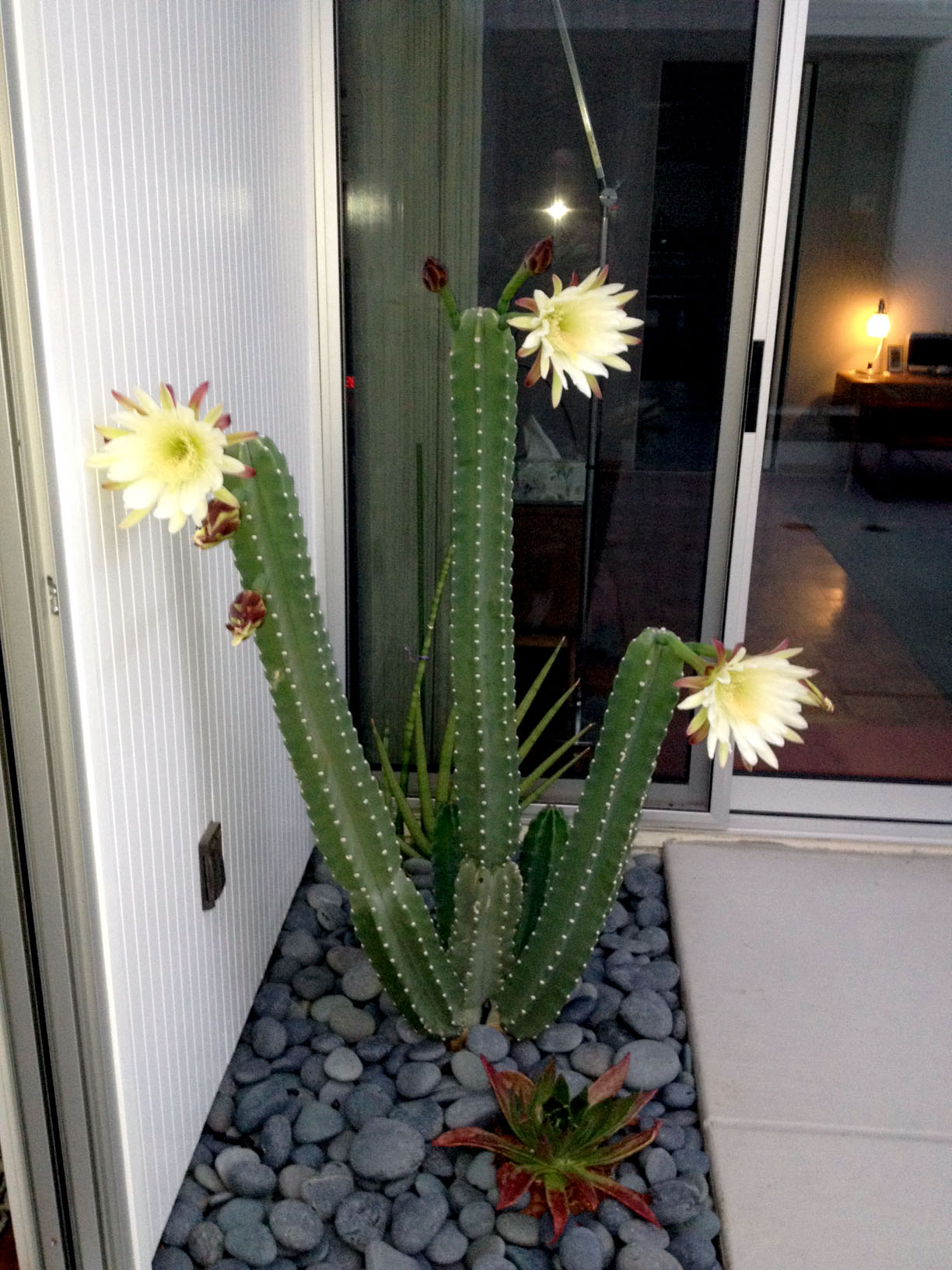
Night Blooming Cactus Cereus, often referred to as Cereus nocturnus or the queen of the night, is a mesmerizing plant that captivates both seasoned gardeners and novice plant enthusiasts alike. Known for its ephemeral and ethereal nocturnal blooms, this cactus species offers a unique gardening experience. In this guide, we will explore the intriguing facets of growing and caring for Night Blooming Cereus, ensuring that your journey with this enchanting plant is rewarding and fruitful.
The Allure of Night Blooming Cereus
Night Blooming Cereus is a member of the Cactaceae family and is native to the arid deserts of Central America. What sets this species apart is its ability to produce large, fragrant flowers that unfurl under the veil of darkness. Each blossom is an exquisite display of white or pale yellow, often measuring up to ten inches across. The nocturnal opening of the flowers is a phenomenal spectacle, lasting only a single night before wilting at dawn. This ephemeral nature creates a sense of urgency among enthusiasts to witness their beauty firsthand.
Understanding its Natural Habitat
To cultivate Night Blooming Cereus successfully, it’s essential to understand its natural habitat. This cactus thrives in warm, dry environments, often found clinging to rocky outcrops or sheltered by larger desert plants. The ideal conditions for growth mimic its native environment: well-draining soil, plenty of sunlight, and minimal humidity.
Soil and Potting Considerations
One of the foremost considerations when planting Night Blooming Cereus is the type of soil used. It thrives in a highly porous and well-draining potting mix, ideally containing a combination of cactus soil, sand, and perlite. This mixture helps prevent water accumulation, which can lead to root rot. When repotting, choose a pot with drainage holes and ensure it is not excessively large; a snug fit will encourage healthier root development.
Optimal Light Exposure
Light plays a pivotal role in the growth of Night Blooming Cereus. While it enjoys bright, direct sunlight, it can also tolerate partial shade, especially in the peak heat of summer. Ideally, exposing it to around six hours of sunlight daily will promote robust growth and abundant flowering. A south-facing window is often the best location within the home, providing ample light without interference.
Watering Regimen
Watering is a critical component of caring for Night Blooming Cereus. This cactus is drought-resistant and prefers to err on the side of underwatering rather than overwatering. During the growing season in spring and summer, water the plant thoroughly, allowing the top inch of soil to dry out before the next watering. In contrast, during the dormant fall and winter months, significantly reduce watering, only providing moisture when the soil is bone dry. Recognizing the visual cues of the cactus, such as slight wrinkling, can guide you in adjusting the watering schedule.
Temperature and Humidity Preferences
Night Blooming Cereus thrives in warm temperatures, ideally ranging from 70°F to 100°F (21°C to 38°C). While it can tolerate lower temperatures, it becomes sensitive when exposed to frost. Protecting it from cold drafts and potential chill is important, particularly during winter months. Additionally, while Night Blooming Cereus does not require high humidity, a moderate level will promote overall plant health. If humidity is excessively low, occasional misting or placing the plant on a humidity tray can provide relief.
Fertilizing for Flourishing Growth
Nourishment is vital for the vitality of Night Blooming Cereus. A diluted liquid cactus fertilizer can be applied during the growing season every four to six weeks. This ensures that the plant receives essential nutrients to support growth and flowering. However, refrain from fertilizing during the dormant phase, as the plant will not utilize the added nutrients effectively.
Encouraging Gorgeous Blooms
To witness the stunning night blooms, patience and attention are crucial. Typically, plants will begin to flower after reaching maturity, which can take several years. To encourage blooming, ensure that the plant receives adequate sunlight, is not overly fertilized, and has the right watering regimen. Additionally, maintaining a stress-free environment, devoid of pests and diseases, can significantly increase the chances of flowering.
Common Pest and Disease Management
Like any plant, Night Blooming Cereus is susceptible to pests such as mealybugs and spider mites. Regular inspections of the plant will aid in early detection. If pests are found, a gentle rubbing with a cotton swab dipped in rubbing alcohol can often suffice for removal. Furthermore, to prevent diseases like root rot, ensure proper drainage and avoid waterlogged soil.
Conclusion: Visions Under Moonlight
Night Blooming Cereus is not merely a plant; it’s an experience that encapsulates the beauty of nature’s cycles. As you embark on the journey of cultivating this magnificent cactus, you’ll find joy in its unique requirements and, ultimately, in the delicate blooms that grace your evenings. Cultivating Night Blooming Cereus requires patience, knowledge, and commitment, but the rewards are undeniably worth the effort. With proper care, your Night Blooming Cereus can thrive, transforming your garden or home into a haven of nocturnal wonder.





Leave a Comment