
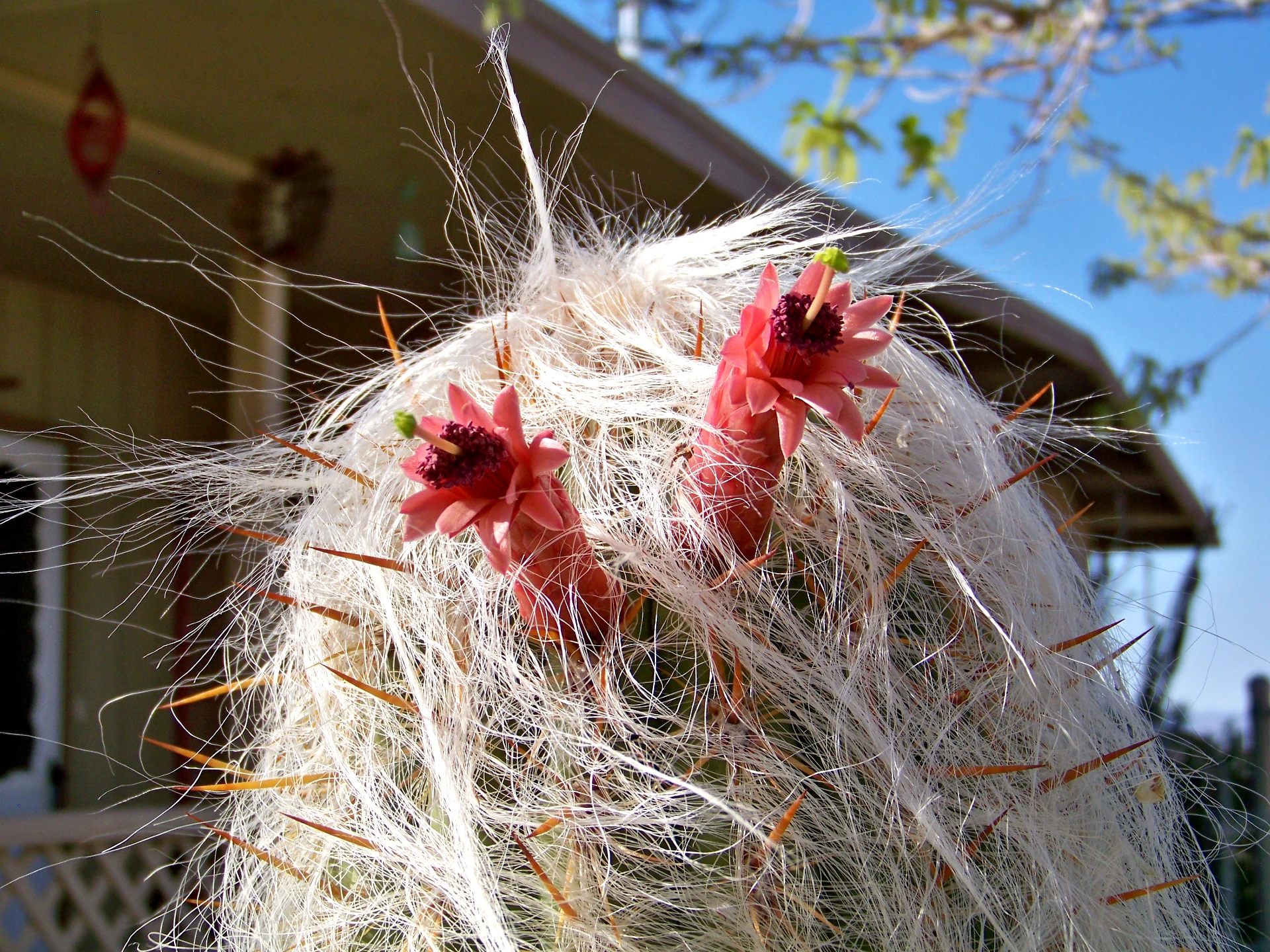
The Old Man Cactus (Cephalocereus senilis), often likened to a venerable sage adorned with a beard of silvery hair, captivates enthusiasts and collectors alike. This remarkable cactus embodies a unique charm, standing as a testament to the resilience and beauty of desert life. With its distinctive appearance, the Old Man Cactus not only adds character to any collection but also offers a fascinating case study in plant care.
Understanding the ecology and requirements of the Old Man Cactus is paramount for successful cultivation. Its native habitat in the arid regions of Mexico has shaped its genetic makeup and survival strategies. As gardeners, we aspire to recreate the delicate balance of its environment, ensuring that our beloved cacti thrive and flourish.
Optimal Growing Conditions for the Old Man Cactus
To cultivate the Old Man Cactus effectively, one must first replicate the environmental conditions it craves. Adequate light, soil composition, and temperature play crucial roles in keeping this intriguing plant alive and well.
Illumination: The Sun’s Embrace
In its natural habitat, the Old Man Cactus basks in the relentless sunlight of the Mexican desert. As such, it requires full sun exposure to prosper. Placing it in a south or west-facing window can provide the necessary light it seeks. However, during the sweltering days of summer, some protection from the harshest midday rays can prevent sunburn, allowing the plant to enjoy filtered sunlight.
Soil Requirements: A Recipe for Success
The soil composition for the Old Man Cactus should resemble that of its native terrain: well-draining and coarse. A mix of potting soil, perlite, and sand creates the ideal growing medium, ensuring proper aeration for its roots. A 50:50 blend of potting soil and coarse sand can yield excellent results. The propensity of the Old Man Cactus to rot in soggy conditions necessitates a pot with drainage holes, enabling excess water to escape.
Temperature: The Axis of Thermal Preference
While this cactus yearns for sunlight, it is also reasonably adaptable to various temperature ranges. Ideally, daytime temperatures should hover between 70°F to 100°F (21°C to 38°C), while nighttime temperatures can comfortably fall to about 50°F (10°C). Care should be taken to protect the plant from frost. A chilling breeze can be detrimental to its health, as it is not frost-hardy.
Watering: The Art of Hydration
The Old Man Cactus, like a wise elder, advises against the perils of excess. One of the most significant aspects of its care is the watering regime, a dance between aridity and moisture. Overwatering, often a treacherous trap for novice cactus caretakers, can lead to root rot, swiftly ending the cactus’s saga.
The Drought Strategy
During the growing season, from spring to late summer, watering should be moderately done, allowing the soil to dry out entirely between waterings. A general rule of thumb is to water every two to three weeks, adjusting depending on humidity and temperature levels. In autumn and winter, drastically reduce watering to once a month or even less, as the cactus enters its dormant phase.
Signs of Trouble
Water stress manifests in various ways. Yellowing pads may signal overindulgence, while a wrinkled appearance may be a cry for hydration. Observing these subtleties will allow for adjustments, guiding the Old Man Cactus through its whims and fancies.
Fertilization and Repotting: Nurture and Renew
The Old Man Cactus possesses the remarkable ability to flourish with minimal fertilization. Nonetheless, strategic feeding can bolster its growth and vigor. Understanding the nuances of when and how to fertilize can enhance the plant’s resilience and majesty.
Periodic Nourishment: The Fertilizer Equation
During the active growing season, a balanced cactus fertilizer, diluted to half strength, can be applied every six to eight weeks. This infusion of nutrients will support new growth, helping to sustain the cactus’s unique stature. Avoid fertilizing during dormancy; a pause in nourishment allows the plant to rest and rejuvenate.
Repotting: A New Home for Growth
As the Old Man Cactus matures, it may outgrow its container. Repotting should occur every few years, or when you notice that roots are beginning to emerge from the drainage holes. Choosing a pot that is only slightly larger will encourage healthy root development. The repotting process should be undertaken with care, being gentle with the delicate roots to avoid shock.
Common Pests and Diseases: Guardians of the Old Man
Despite its hardy nature, the Old Man Cactus is not immune to the occasional predator or pathogen. Understanding potential threats can arm you with the knowledge to combat them effectively.
Pest Patrol: Indomitable Defenders
Scale insects and mealybugs can pose a risk, often camouflaged within the fluff of the cactus. Regular inspections and preventative measures such as neem oil or insecticidal soap can deter these pestilential intruders. Maintaining proper air circulation can also mitigate the risk of pest infestations.
Fungal Foes
Fungal infections may arise if overwatering occurs. Should you notice any signs of rot or unusual discoloration, remove affected areas immediately and adjust your watering technique to prevent further damage.
In conclusion, the Old Man Cactus stands not just as a plant but as a symbol of resilience, adaptation, and beauty in the harshest of conditions. By providing the right conditions and paying attention to its needs, you too can cultivate a stunning specimen that speaks of nature’s artistry and wisdom—a worthy companion for any plant enthusiast’s oasis.



Leave a Comment