
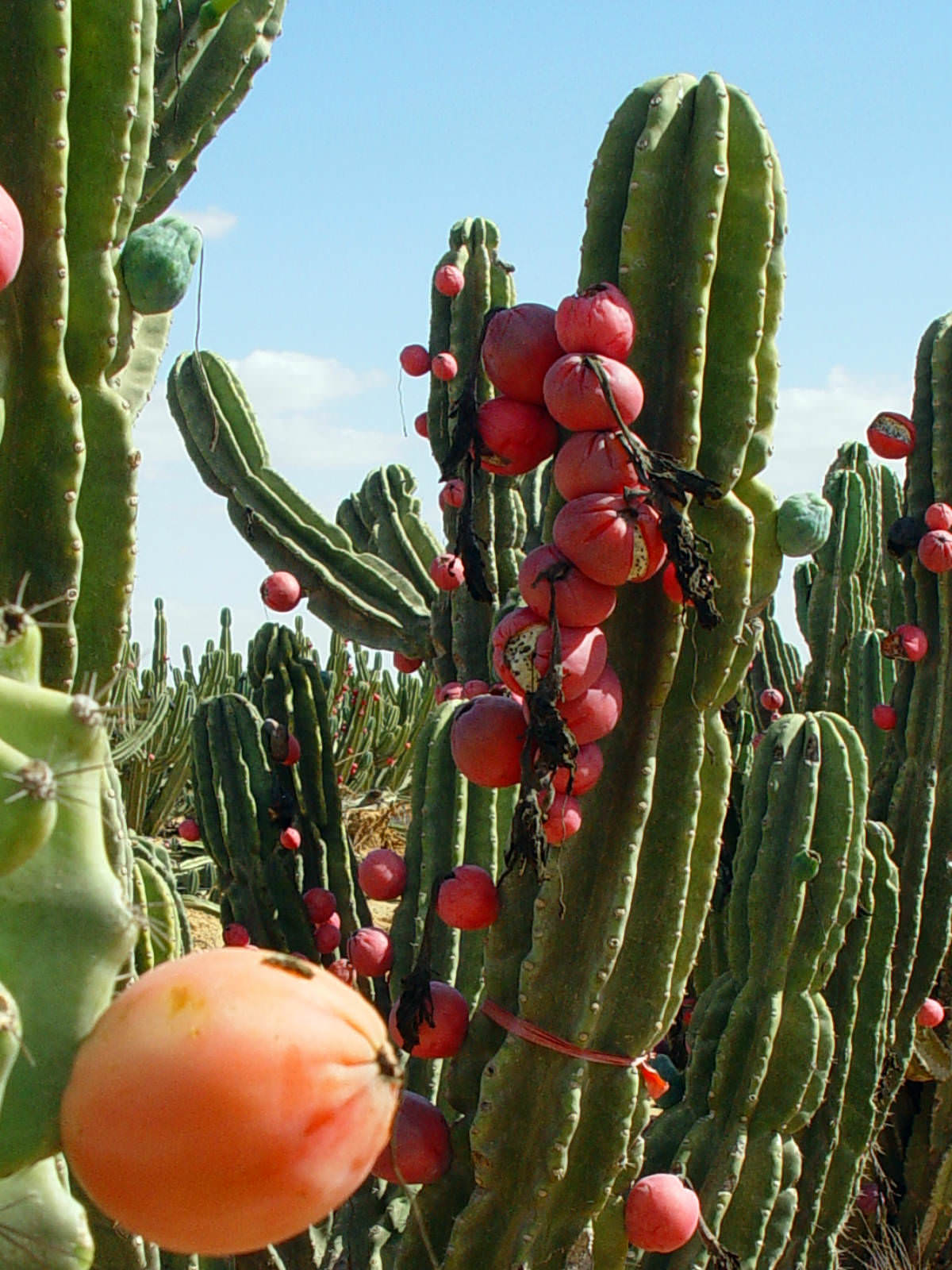
The Peruvian Apple cactus, scientifically known as Cereus peruvianus, is a remarkable species that stands out for both its aesthetic appeal and unique growing requirements. This succulent, with its enticingly exotic charm, raises an intriguing question: how can one cultivate this breathtaking plant successfully while navigating its specific needs? As we delve into the art of growing and caring for the Peruvian Apple, we will also confront the potential challenges that accompany such a remarkable endeavor.
Characterized by its columnar structure and striking blue-green stems adorned with prominent spines, the Peruvian Apple cactus typically reaches heights of up to 20 feet in its native environment. In cultivation, it tends to be more modest but still presents an impressive display. With a little knowledge and preparation, you can successfully bring this captivating cactus into your home or garden.
Understanding the intricacies of the Peruvian Apple cactus begins with a comprehensive exploration of its native habitat and climate. This species thrives in the warm, arid climates of South America, where it boasts a natural inclination for regions with low humidity. Replicating these conditions is crucial for successful cultivation.
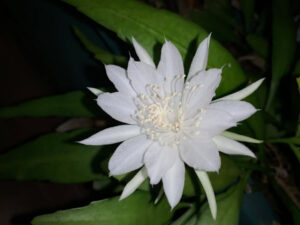
Besides the climate, the Peruvian Apple cactus is also known for its nocturnal floral display. The large, white flowers bloom at night, emitting a sweet fragrance that attracts nocturnal pollinators. This fascinating characteristic is one of the many reasons enthusiasts are drawn to this distinctive specimen.
So, how do you create an ideal environment for nurturing the Peruvian Apple cactus?
Establishing Optimal Planting Conditions
The first step in cultivating Cereus peruvianus is providing it with the proper substrate. A well-draining, sandy potting mix designed for cacti or succulents is recommended. This soil composition allows excess moisture to escape while offering essential nutrients. Be mindful; poor drainage can lead to root rot, one of the inevitable challenges a grower may face.
Choosing the right container is equally important. Select a pot made from materials such as terracotta or ceramic, which can absorb excess moisture and help keep the roots dry. Ensure the pot has drainage holes to promote effective water management.
Next, let’s talk about sunlight. This cactus revels in brightness, demanding at least six hours of direct sunlight daily. While it can handle some partial shade, insufficient light can lead to weak growth and etiolated plants. A south-facing window or a sunny outdoor location is ideal for maximum growth potential.
Watering can often be the most daunting aspect of cactus care. The Peruvian Apple cactus prefers a less frequent approach. Watering should be implemented during the growing season, typically from spring to early fall, allowing the soil to dry out completely between waterings. In cooler months, reduce watering to once every month or so. Remember, overwatering is a prevalent pitfall; it’s always better to err on the side of dryness.
Nurturing the Plant for Lush Growth
The next key aspect to consider is feeding. Providing the right nutrients during the growing season can invigorate growth significantly. Utilize a balanced cactus fertilizer at half-strength every four to six weeks during the spring and summer months. This will ensure the plant receives adequate nourishment, fostering robust growth and beautiful blooms.
Pest control is another consideration that should not be overlooked—aphids, spider mites, and mealybugs can infiltrate and damage your cactus. Regular inspections will help detect any infestations early on. Should pests be spotted, treatment options include a gentle soap solution or neem oil, which are effective against most common pests while being relatively harmless to the plant itself.
Recognizing Potential Growth Challenges
Even the most seasoned growers may encounter hurdles when caring for the Peruvian Apple cactus. One significant challenge is maintaining the delicate balance of humidity. While this specimen thrives in dry environments, extreme fluctuations in humidity can stress the plant. Ensuring a consistent environment is vital; sudden increases in humidity can encourage fungal growth, while prolonged dry spells can cause dehydration.
The Peruvian Apple cactus may also experience color changes or stunted growth if lacking essential nutrients or when exposed to inadequate light conditions. If your cactus appears pale, set it in a sunnier location, or review your fertilization schedule.
Propagation Techniques to Explore
Once you have established a thriving Peruvian Apple cactus, you may wish to consider propagation. This method involves taking cuttings from a healthy cactus to create new plants. The ideal time for this process is in late spring or summer, as the plant is actively growing. Use a sharp, sterile knife to cut a stem segment, allowing it to dry and callous for a few days before planting it in a suitable potting mix.
As the cutting takes root, be cautious: it will require the same care as an established cactus. Be patient—rooting can take several weeks. Once successfully established, you’ll have new cacti to admire or share with fellow enthusiasts.
In summary, growing and caring for the Cereus peruvianus, or Peruvian Apple cactus, is an enriching endeavor that allows plant lovers to experience the complex beauty of this unique species. With proper attention to its specific environmental requirements, nutrient needs, and vigilant pest management, you can cultivate a remarkably resilient and captivating cactus. Embrace the challenges involved, and enjoy the rewarding journey of nurturing this distinctive addition to your botanical collection.



Leave a Comment