
Potting Soil for Cacti: Finding the Right Blend for Healthy Thriving Plants
For cactus aficionados, the secret to cultivating robust and flourishing plants often lies not just within the plant itself but in the soil that cradles its roots. The unique needs of cacti require a potting soil that diverges from traditional blends. Understanding the essential components of cactus potting soil can dramatically enhance your plants’ health, growth, and overall resilience. Here is a comprehensive exploration of potting soil for cacti and the various factors that contribute to creating the optimal blend.
Understanding the Cactus’ Unique Needs
Cacti, by their very nature, are designed to endure arid environments. Their adaptations have equipped them to survive with minimal moisture and in sandy, well-draining soils. Hence, the parameters governing their potting soil must mimic these natural conditions. The essence of a proper cactus potting mix revolves around its ability to retain just enough moisture while preventing the root rot that can arise from overly wet conditions.
The primary elements involved in achieving this balance are drainage, aeration, and the right pH levels. Cacti thrive in soil that drains quickly, allowing excess water to escape while still retaining enough moisture for the plant to absorb. Achieving this involves understanding the composition of your potting mix.
Essential Components of Cactus Potting Soil
When curating the ideal potting soil for cacti, one must consider various components that work synergistically. A successful cactus potting mix typically includes the following:
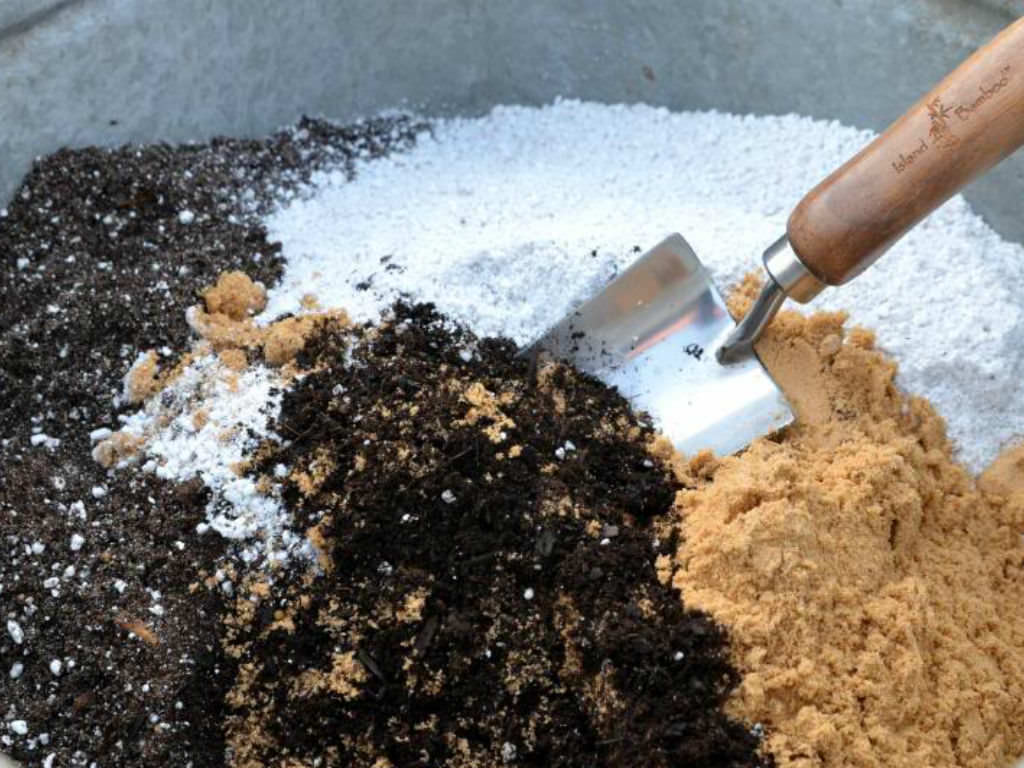
1. **Inert Materials:** These form the backbone of the potting mix. Common inert materials include perlite, pumice, and coarse sand. Each contributes to a well-draining environment that facilitates essential aeration. Perlite is a volcanic glass that, when heated, expands to form a lightweight material full of air pockets. Pumice offers similar benefits but is denser, providing added weight to stabilize the pot. Coarse sand ensures quick draining and resists compacting over time.
2. **Organic Matter:** While cacti don’t thrive in overly rich organic materials, a minimal addition of compost or well-decomposed organic matter can enhance the soil’s nutrient profile. Organic matter contributes to moisture retention without clumping, striking a fine balance that benefits the cactus without becoming overly soggy.
3. **Soil pH:** Cacti prefer slightly acidic to neutral pH levels, typically ranging from 6.0 to 7.0. Using soil amendments such as limestone can help in maintaining this pH balance. Conducting regular pH tests prior to planting can ultimately ensure the right conditions for your cacti to thrive.
The Ideal Blend: Creating Your Own Cactus Potting Mix
Your specific cactus type and environmental conditions will dictate the best potting soil blend. However, a commonly used foundation for a cactus potting mix is a combination of the ingredients discussed above. Here is a basic recipe that can be tailored to suit various species:
– **40% coarse sand:** Essential for drainage and preventing erosion.
– **40% perlite or pumice:** Increases air circulation and supports root health.
– **20% potting soil blended with organic matter:** Provides nutrients without overwhelming the plant.
You can modify the ratios based on your cactus type. Young or more sensitive cacti may benefit from a mix with a higher ratio of organic matter to support initial growth, whereas mature, drought-resistant varieties will thrive in a coarser blend with less organic material. Experimentation is key in finding the perfect balance. Always observe how plants respond and adjust accordingly.
Recognizing Signs of Poor Potting Soil
Even with the best intentions, sometimes potting mixes fail to deliver the desired results. Recognizing the signs of suboptimal soil is crucial for the health of your cacti. Some indicators to watch for include:
– **Yellowing or wilting:** This may indicate over-watering, often a result of soil that traps too much moisture.
– **Stunted growth:** Underlying nutrient deficiencies could stem from poor soil selection. Ensure your cactus receives the right nourishment.
– **Root rot:** A fungus-related ailment that occurs when soil retains too much water. Check for a foul smell or blackened roots if suspecting this condition.
Adapting Your Cactus Potting Strategy
Understanding that your environment and the specific needs of your cactus will dictate their potting soil requirements can lead you to success. Hot, arid climates may demand more frequent watering but require soil that drains efficiently. Conversely, in humid regions, the lightest of soil blends may be necessary to combat the risk of root rot.
When transferring cacti into their new potting mix, always exercise caution to minimize root disturbance. Gently place the plant in its new container and allow it some time to adapt before subjecting it to a regular watering schedule. Patience is key; permit your cactus to acclimate to its new home and demonstrate the resilience it possesses.
In conclusion, while the basics of potting soil components for cacti appear straightforward, mastery lies in the nuances and adjustments based on individual plant needs. Keeping a watchful eye on your cacti, paired with a customized potting mix, will pave the way for delightful growth and flourishing succulents, establishing your home or garden as a thriving oasis.



Leave a Comment