
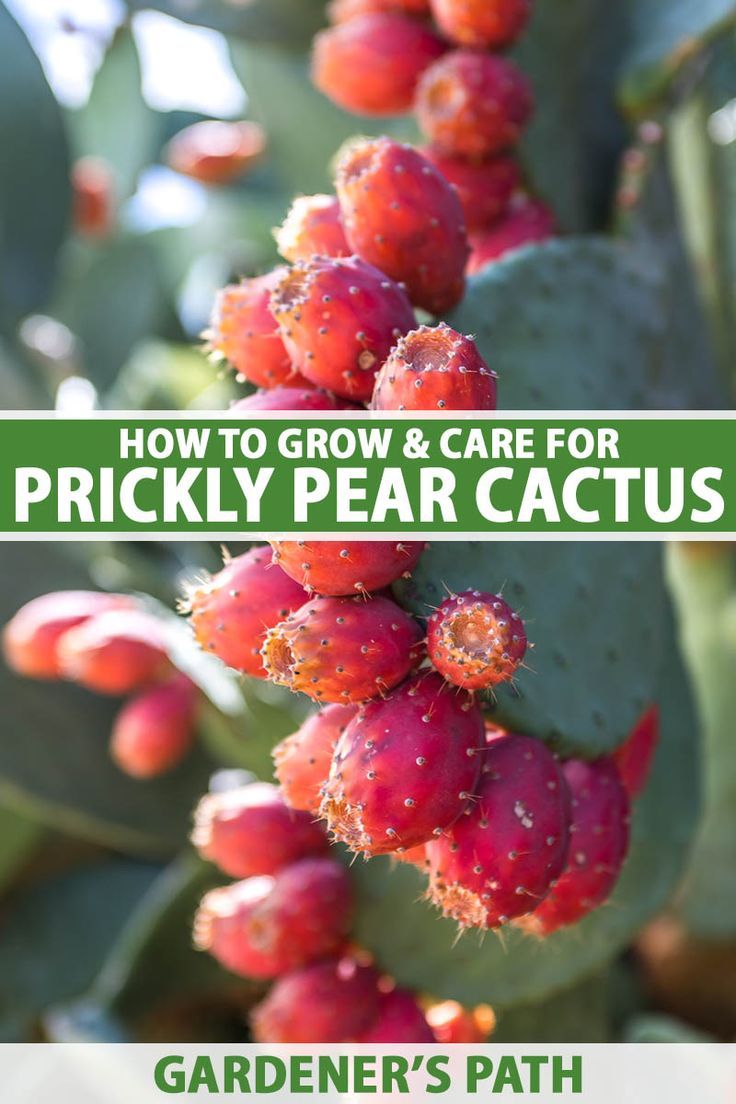
The prickly pear cactus, with its vibrant pads and colorful fruit, has long been admired for its striking aesthetics and resilience. Growing prickly pear in pots not only allows for the cultivation of this fascinating plant in confined spaces, but also invites a flourishing natural beauty into your indoor or outdoor environment. With the right knowledge and techniques, anyone can become a proficient caretaker of these enchanting succulents. This guide will delve into the nuances of successfully growing and maintaining prickly pear cactus in containers.
Choosing the Right Container – A Perfect Home for Your Cactus
When embarking on your prickly pear journey, the first crucial step is selecting the ideal container. The choice of pot can significantly influence the health and growth of your cactus. A sturdy pot made from terracotta, ceramic, or plastic will suffice, as long as it incorporates adequate drainage holes. Ensure the pot has a depth of at least 12 to 16 inches; this depth allows for substantial root growth, which is essential for the stability and vigor of the plant.
Additionally, consider the pot’s width. A wider container can accommodate a growing cactus and provides room for expansive root systems. Ultimately, your selected pot should marry function with aesthetics—something that complements your home or garden while meeting the practical needs of the prickly pear.
Soil Selection – The Bedrock of Success
The choice of soil is paramount when administering the prickly pear cactus’s needs. They thrive in well-draining soil that mimics their natural arid habitats. To create an optimal mixture, consider using a combination of potting soil, coarse sand, and perlite or pumice in equal parts. This concoction ensures effective drainage, preventing root rot—a common affliction of cacti—while providing essential nutrients to promote healthy growth.
Furthermore, if you seek to optimize growth, consider incorporating a slow-release fertilizer designed for cacti. This addition can bolster nutrient availability and enhance the overall vitality of your plant. Remember, moderation is key; over-fertilization can lead to adverse effects.
Light Requirements – Cultivating Sun-Kissed Splendor
Prickly pear cacti are sun-lovers, thriving in bright, direct light conditions. Place your potted cactus in a location where it will receive at least six hours of sunlight per day. South-facing windows or outdoor patios are ideal havens for these sun-seeking plants. However, if you reside in an area with extreme temperatures, providing partial shade during the hottest parts of the day can prevent sunburned pads.
If you’re growing your prickly pear indoors, consider rotating the pot periodically to ensure even light exposure on all sides. This practice encourages uniform growth and prevents the cactus from leaning toward the light. Additionally, if natural light is scarce, you may want to invest in a grow light, ensuring your cactus receives sufficient illumination for optimal growth.
Watering Wisely – Balancing Thirst and Drought
Perhaps one of the most misunderstood aspects of cultivating prickly pear cacti is their watering needs. As succulents, these plants are adept at storing water, making them incredibly drought-resistant. However, proper hydration is essential, particularly during the growing season—spring through early fall.
Water your prickly pear thoroughly, allowing excess water to drain out of the pot’s bottom. The top inch of soil should dry out completely before watering again. Overwatering is pernicious and can quickly lead to root rot—always err on the side of caution. In winter, reduce watering considerably, as the cactus enters a dormant phase and requires minimal moisture.
Temperature and Humidity – Creating an Ideal Climate
Prickly pear cacti are typically tolerant of a range of temperatures, but optimal growth occurs between 70°F to 100°F during the day. At night, a drop in temperature can be beneficial, with ranges of 50°F to 70°F being ideal. However, these resilient plants can endure cooler temperatures, just not prolonged exposure to frost, which may damage the pads.
Humidity levels should generally remain low, aligning with the cactus’s native environment. Avoid placing your prickly pear near humidifiers or areas with high moisture levels, as excessive humidity can invite mold and other detrimental organisms.
Propagation – Multiplying Your Cactus Collection
Once you’ve successfully nurtured your prickly pear cactus, you may want to explore the art of propagation. This can be done through pad cuttings, which is an exciting and rewarding way to expand your collection. Select a healthy pad, sever it close to the base, and allow the cut end to dry and callous over for several days. Once calloused, place the pad in a well-draining soil mix, ensuring it is planted upright. Water sparingly until roots have developed, then care for it as you would your original cactus.
Conclusion – The Blossoming Journey of Cactus Cultivation
Growing prickly pear cactus in containers opens up an abundance of possibilities for enthusiasts of all levels. From selecting the right pot and soil to understanding their unique watering and light requirements, each aspect contributes to the overall success of your cultivation efforts. Embrace the journey, for within the world of cacti lies a captivating tapestry of colors, shapes, and resilience. As you nurture these remarkable plants, you will discover the fruits of your labor—both literally and figuratively—transforming your space into a sanctuary of natural beauty.



Leave a Comment