
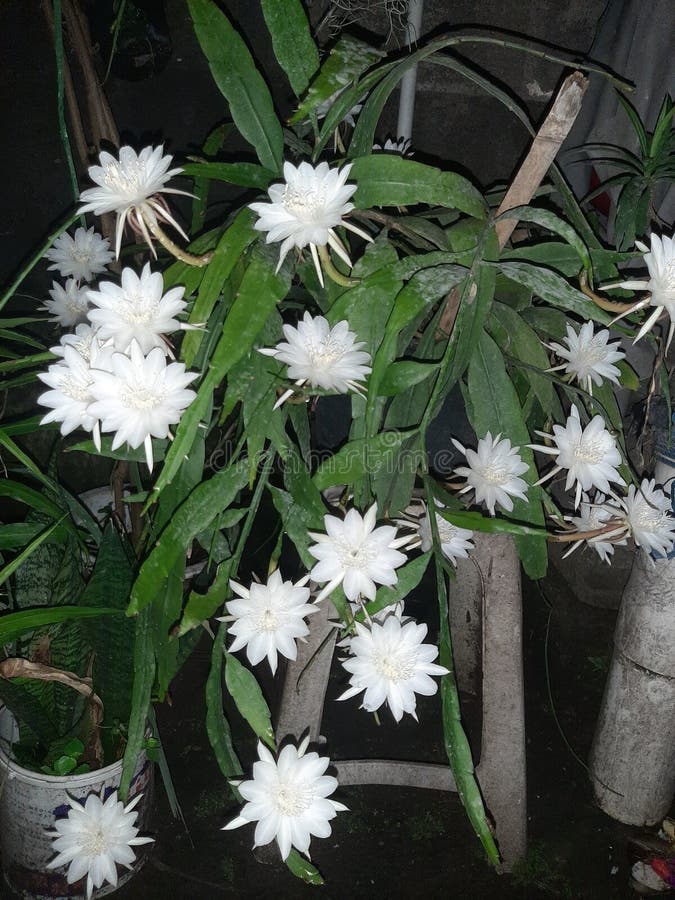
The Queen of the Night cactus, also known as Epiphyllum oxypetalum, is a remarkable plant renowned for its spectacular nocturnal blooms. But how well do you understand its needs? Caring for this enchanting specimen might initially seem straightforward, yet it poses a delightful challenge for even the most seasoned gardeners. Let us delve into the intricacies of nurturing this majestic succulent, ensuring it flourishes while gracing your space with its ethereal beauty.
Originating from tropical rainforest regions, the Queen of the Night is a member of the Cactaceae family and distinctly different from the desert-dwelling cacti many are familiar with. Its epiphytic nature means it typically grows on trees or rocks, drawing moisture and nutrients from the air. This unique adaptation informs how we should care for this stunning plant, making it a captivating addition to any collection.
Cultivating a healthy Queen of the Night cactus requires an awareness of its unique environment. Let’s explore the essentials of light, soil, watering, and feeding, laying the groundwork for a thriving plant.
Illuminating the Ambiance: The Importance of Proper Light
One of the primary factors for the health of the Queen of the Night is appropriate lighting. It thrives in bright, indirect sunlight. Placing it in a location where it will receive filtered light is ideal. Direct sunlight can scorch the leaves, resulting in unsightly brown spots. Consider utilizing sheer curtains or positioning the plant near a window that allows for diffused sunlight.
If you’re cultivating your Queen of the Night indoors, rotating the plant every few weeks will encourage even growth. This rotation helps prevent the plant from leaning toward the light source, promoting a symmetrical appearance. However, if you notice the stems becoming elongated or leggy, it’s a sign they are reaching for more light—a clue to adjust its positioning.
Grounded in Well-Drained Soil: The Foundation of Health
The soil you choose is critical in supporting the Queen of the Night’s growth. A well-draining soil mixture is paramount. Creating a soil blend comprising two parts potting mix, one part coarse sand, and one part perlite or pumice ensures optimal drainage. This mixture mimics its natural habitat, preventing the roots from sitting in excess moisture, which can lead to root rot.
Additionally, consider repotting your cactus every few years to refresh the soil and provide more space for growth. While the Queen of the Night may not require frequent repotting, when you do, choose a pot with drainage holes to facilitate water evaporation.
The Art of Watering: Striking a Delicate Balance
Caring for the Queen of the Night involves a delicate dance of watering. While this unique plant enjoys moisture, it is crucial to avoid overwatering. A general rule of thumb is to allow the top inch of soil to dry out before watering again. During the growing season, which typically spans from spring to early fall, the plant may require watering every two weeks. During the dormant winter period, however, you can reduce watering to once every four to six weeks.
To effectively hydrate your cactus, water thoroughly until you see excess drains from the bottom of the pot. This technique fortifies the roots while allowing the plant to absorb what it needs without becoming waterlogged.
Feeding the Majesty: Nutrients for Thriving Growth
Nourishment is vital for the Queen of the Night, particularly when it enters its active growth phase. An application of a diluted, balanced liquid fertilizer every month during the growing season will support blooming and overall health. Opt for fertilizer formulations specifically designed for cacti and succulents to prevent over-fertilization, which can lead to burn and damage.
Do remember that during the dormant winter months, feeding should halt altogether. These dormant periods provide the rest required for vibrant growth in the coming seasons, so hold off on fertilizing during this time.
Encouraging Blooming: The Climax of Care
If you’re patient and attentive, your efforts may culminate in the breathtaking nocturnal blooms that give this cactus its regal moniker. Typically, the Queen of the Night will bloom in the summer evenings, releasing a captivating fragrance that can fill the air. The flowers are short-lived, lasting only a single night; thus, timing your observations can be key to witnessing this delightful spectacle.
Many gardeners wonder, how can they increase their chances of blooming? A consistent day-night temperature differential, ample sunlight, infrequent watering, and avoiding root disturbance can all contribute to initiating flowering. Cultivating a sense of respect for its natural cycles is essential in coaxing out these awe-inspiring blossoms.
Conclusion: A Dance of Care and Beauty
Caring for the Queen of the Night cactus is an endeavor filled with anticipation and rewards. By understanding its unique requirements for light, soil, water, and nutrients, you can create an environment that fosters both health and beauty. Each stunning bloom is a testament to the respect and patience you’ve offered this extraordinary plant. However, as it beckons with its challenges, it is ultimately the joy of nurturing life and witnessing its splendor that brings the most fulfillment.





Leave a Comment