
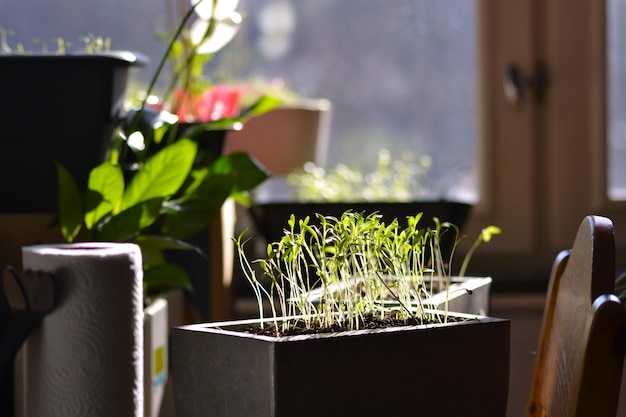
Seedlings are the foundational stages of plant life, and their care is paramount for fostering healthy, resilient plants. A significant aspect of their nurturing is the light they receive. Many new gardeners grapple with the question: Should seedlings be in direct sunlight? In this article, we will delve into the nuances of sunlight exposure for seedlings, unravel best practices, and provide essential tips for beginners.
When considering the care of seedlings, understanding their light requirements is crucial. Seedlings possess delicate, tender foliage that can be susceptible to various environmental stressors. Direct sunlight can be both beneficial and detrimental, depending on the plant species, the intensity of light, and the duration of exposure.
In this discussion, we will explore the biology of seedlings, the impact of direct sunlight, the differentiation of light needs among species, and effective methods to ensure your seedlings thrive in an optimal environment.
Understanding Seedling Biology and Light Needs
It is vital to realize that seedlings are not miniature adults; they have distinct requirements. During the germination process, seedlings rely on stored energy to develop. As they emerge, they begin to photosynthesize, converting sunlight to energy. However, young plants typically need to adapt gradually to light exposure.
Light plays a pivotal role in plant physiological processes, influencing not only growth but also the development of their morphology. Seedlings require adequate light to synthesize chlorophyll, which then facilitates healthy growth. Typically, seedlings need approximately 12 to 16 hours of light per day. For most, a balance between direct sunlight and indirect light is optimal.
Caution is Necessary: The Case Against Immediate Direct Sunlight
For new gardeners, the impulse might be to place seedlings directly in the sun; however, this can lead to adverse outcomes. Young seedlings are more likely to experience light burn if exposed to intense sunlight too soon. Symptoms of light stress may include wilting, scorched leaf edges, or stunted growth.
Observation of your seedlings should be paramount. An optimal approach is to begin with a regime that allows for gentle acclimatization to increased light conditions. Slowly introducing them to direct sunlight for short periods can be beneficial. Over the course of a week or so, gradually increase the duration of direct exposure.
Species-specific Light Needs: Not All Seedlings Are Created Equal
The light preferences of seedlings vary significantly based on species. Understanding these preferences is essential for ensuring optimal growth. Some seedlings, such as those from the Brassicaceae family or leafy greens like lettuce and spinach, generally prefer indirect light. Conversely, sun-loving species, such as tomatoes, peppers, and most herbs, thrive under direct sunlight conditions.
It is worthwhile to consult species-specific care guidelines to discern the best practices for each type of seedling. Variations in light intensity and duration can dramatically affect germination rates, growth speed, and overall hardiness. Keep in mind that even within the same species, individual plants may exhibit different reactions to light intensity based on their location, age, and health.
Alternative Light Solutions for Optimal Seedling Growth
While sunlight is the most accessible resource, it is not the only option for stimulating seedling growth. Indoor gardeners often resort to supplemental lighting systems to provide adequate lighting when natural light is insufficient or harsh. Full-spectrum grow lights can effectively mimic sunlight, delivering the necessary wavelengths for photosynthesis.
When utilizing grow lights, maintain a distance of 4 to 12 inches above the seedlings, based on the type of light employed. Adjustment of the distance is needed as seedlings grow, ensuring they do not become “leggy” or stretch toward the light source unduly.
Proper Watering and Humidity Control a Must
Light is crucial, but it should work in conjunction with other environmental factors for optimal seedling growth. Overexposure to sunlight can exacerbate water loss. Therefore, it is essential to maintain a constant but adequate watering routine to prevent stress. Allow the top layer of soil to dry slightly between watering sessions, ensuring that seedlings do not remain in overly wet conditions that could promote root rot.
Additionally, humidity plays a vital role in the health of seedlings. Newly planted seedlings often benefit from higher humidity levels, especially when transitioning from indoor to outdoor environments. Creating a humidity dome (using plastic wrap or a plastic cover) can help retain moisture during early growth stages when seedlings are most vulnerable.
Transitioning Seedlings Outdoors: The Hardening Process
Before mature seedlings are placed directly into full sunlight outdoors, they should undergo a process known as hardening off. This procedure involves gradually introducing seedlings to outdoor conditions over a period of 7-10 days.
Begin by placing seedlings outside for a few hours in a shaded area. Each day, incrementally increase their exposure to direct sunlight and outdoor temperatures. This acclimatization allows seedlings to adapt to their environment, greatly improving their chances for successful growth once permanently transplanted.
Conclusion: Striking the Right Balance
In summary, the light requirements of seedlings are nuanced, hinging on a delicate balance between exposure to direct sunlight and indirect light opportunities. Beginners should pay attention to species-specific light needs while ensuring that environmental conditions like humidity and watering regimes are maintained. Using a gradual acclimatization approach will equip seedlings to thrive both indoors and outdoors. With careful monitoring and knowledge, your seedlings will blossom into healthy plants harmoniously supported by the right amount of light.



Leave a Comment