
Creating an oasis in your living space can be a remarkably gratifying endeavor. Cacti are not only low-maintenance, but they also add a unique aesthetic appeal. However, have you ever found yourself pondering what makes the ideal soil mixture for a thriving cactus garden? It’s a legitimate question because improper soil can lead to stagnation in growth, root rot, and even the untimely demise of your prickly companions. This article will dissect the essentials of crafting the perfect soil mixture, ensuring your cacti not only survive but flourish.
Before delving into recipes, it is vital to understand the inherent characteristics of cacti. Most species originate from arid climates, thriving in sandy, well-draining environments. Therefore, your soil mix must replicate these conditions to cater to their specific needs. This leads us to challenge ourselves: can we create an environment that mirrors their natural habitat with the ingredients commonly available? Let’s explore.
The Foundations of a Healthy Cactus Soil Mixture
The base of your cactus soil must provide adequate drainage, aeration, and some nutrients. As a general rule, cacti don’t require nutrient-rich soil; instead, a composition that allows water to quickly flow through is paramount. Here are foundational ingredients to consider:
Sandy Soil: Fine desert sand or construction sand can form the core of your mixture. It combats water retention and helps aerate the soil. Neither of these properties can be overemphasized when considering the long-term health of your cactus.
Perlite: This volcanic glass material is lightweight and serves as an excellent aerator. When mixed with sand, it helps break up heavier components, promoting drainage and ensuring your cactus roots do not suffocate.
Pumice: Another volcanic material, pumice is similar to perlite and adds beneficial weight to the mixture without compromising drainage. Its ability to retain some moisture—while still allowing excess water to escape—makes it an invaluable addition.
These three components form the crux of a functional cactus soil mixture. However, you may wonder if they alone can meet your gardening aspirations. To construct a truly robust soil recipe, it’s prudent to consider additional ingredients.
Enhancing Your Mixture with Organic Matter
Even though cacti prefer lean diets, a touch of organic matter can help boost microbial activity within the soil, encouraging healthier root systems. Organic matter can include:
Coconut Coir: This sustainable substrate comes from the husk of coconuts. It retains moisture while still allowing for airflow, striking a harmonious balance that supports healthy cactus growth.
Compost: A carefully balanced compost mix can provide essential nutrients while maintaining drainage. It’s wise to ensure that your compost doesn’t contain excessive nitrogen, which may encourage undesirable growth patterns in cacti.
Worm Castings: If you want to sprinkle a little natural magic, consider adding worm castings. These nutrient-rich deposits are teeming with microbiological life, accelerating your soil’s health and vigor.
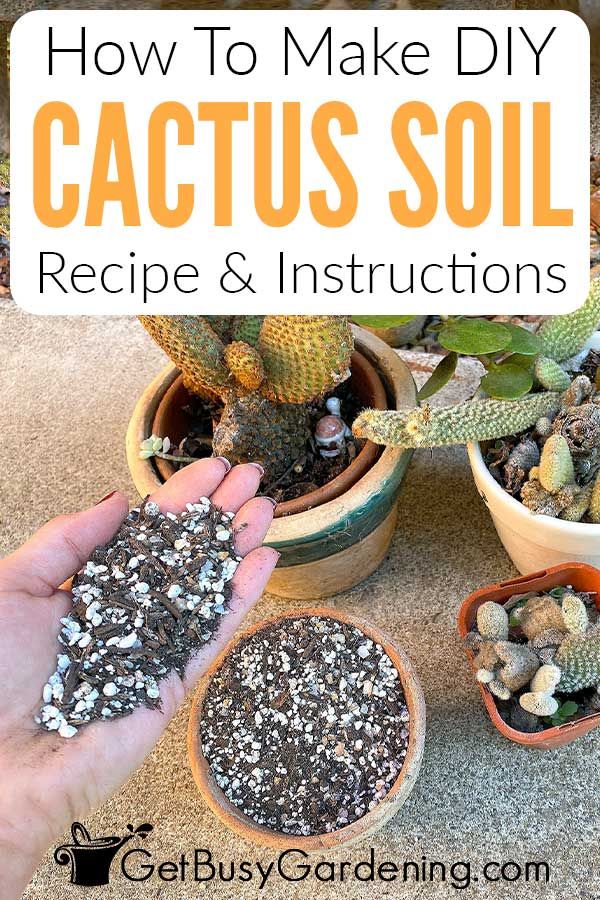
Realistically, percentages count! An ideal cactus soil mixture could be composed of approximately 50% sandy soil, 30% perlite, and 20% organic matter. This blend carefully meets the environmental needs of the plant while allowing some versatility for various cacti species.
Crafting the Perfect Soil Recipe
Now that the foundation is laid, let’s put theory into practice. Here’s a straightforward recipe for creating your own cactus soil mix:
1. Combine 1 part sand (commercial grade fine sand or construction sand will do) with 1 part perlite.
2. Add ½ part coconut coir or peat moss for moisture retention.
3. Mix in ½ part compost or worm castings, making sure they are finely sifted and balanced to avoid any unwanted nitrogen spikes.
4. For added weight and drainage capabilities, blend in ¼ part pumice if available.
Stir the mixture thoroughly until uniform. You may even want to strain out larger particles to achieve a consistent texture that meets your aesthetic and functional requirements.
Testing the Soil and Planting
Once you have your perfect mix, you might wonder how to test whether it works as intended. One method is to perform a water test: pour water through a small amount of the soil mix and observe how it drains. Proper drainage should occur swiftly, confirming that your blend will sustain a healthy cactus.
When planting your cactus, ensure the pot has drainage holes. Fill the bottom with a small layer of gravel or stones, followed by your cactus mix. Gently place your cactus in its new habitat, and cover the roots carefully. With proper care, your creations will flourish, remaining drought-resistant and thriving.
Final Thoughts: Embracing the Journey
Committing to the cultivation of cacti might bring forth challenges, but overcoming them can provide immense satisfaction. The perfect soil mixture is integral to nurturing a vibrant cactus garden, one that stands out as a testament to patience and dedication.
As you embark on your journey with these remarkable plants, remember: every blend offers unique opportunities for growth—both for your cacti and for you as a gardener. So equip yourself with knowledge, step into the role of a creator, and let your cactus garden flourish.



Leave a Comment