
Watering Cactus Plants in Winter: How to Keep Your Cactus Healthy During the Cold Months
The winter months can be a challenging time for cactus enthusiasts. As temperatures drop and daylight hours diminish, the needs of these resilient plants shift significantly. Understanding how to properly water your cacti during the winter can mean the difference between parched shriveling and a thriving, healthy plant.
While it is commonly understood that cacti are drought-resistant, many overlook the subtleties involved in caring for them during the colder seasons. Observing the way these plants interact with their environment reveals fascinating adaptations that warrant closer inspection.
Once regarded purely as desert-dwelling oddities, cacti exhibit complex mechanisms for enduring the harshness of winter, and the way they process water during this period is particularly intriguing.
Nature’s Clever Design: How Cacti Survive in Harsh Conditions
Cacti are remarkable not just for their ability to withstand drought, but for their unique adaptations that allow them to thrive in extreme environments. The thick, fleshy tissues of their bodies serve as water reservoirs, enabling them to store moisture for prolonged periods. Yet, while they possess innate resilience, they are not immune to the stress that winter can impose.
During this season, a cactus goes into a state of dormancy, significantly reducing its metabolic processes, including its water intake needs. This is where the watering regimen must be adjusted drastically compared to the growing seasons.
Understanding Dormancy: When and How to Water
Most cacti enter dormancy during the winter months, which typically spans from late fall to early spring. During this time, watering should be approached with caution. Over-watering is a frequent misstep made by even the most seasoned plant lovers.
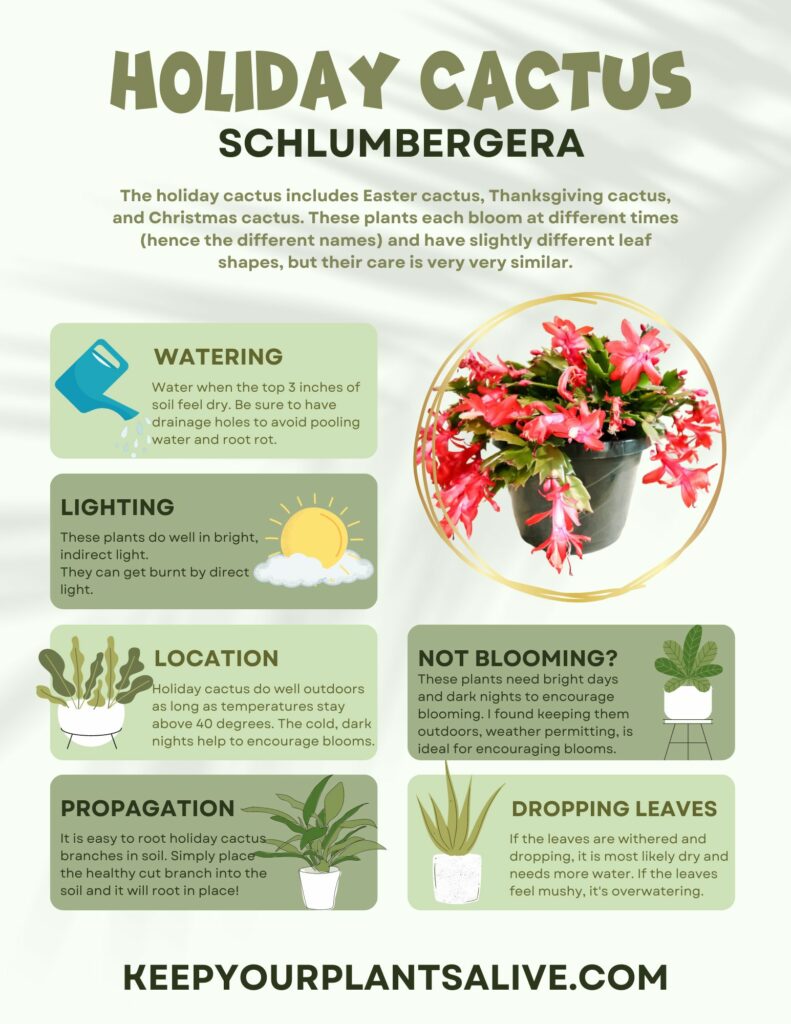
In winter, many cacti require little to no water, depending on the specific species. For example, desert cacti, such as the Saguaro, might only need a watering once every two to three months. In contrast, tropical varieties, like the Christmas cactus, may need a bit more moisture. However, the key is to assess the need based on environmental conditions rather than adhering to a rigid schedule.
Before watering, always check the soil moisture. Insert a finger about an inch deep into the soil; if it feels dry, it might be time to water. If it’s still moist, it’s best to hold off. The overarching principle is to err on the side of caution; it’s easier to revive a thirsty cactus than to recover one from root rot.
The Art of Watering: Techniques and Tips for Success
When the time does come to hydrate a cactus during winter, the method of watering deserves attention. A gentle approach is preferred. Use a watering can with a narrow spout to direct water precisely at the base of the plant. This minimizes the risk of water accumulating on the leaves, which can lead to rot.
Water should be applied thoroughly until it drains out of the pot’s bottom, ensuring the entire root system receives moisture. However, excess water should be managed carefully. Ensuring your pot has adequate drainage holes is paramount; otherwise, roots can quickly succumb to waterlogging, leading to decay and deterioration.
Furthermore, consider the temperature of the water. Opt for room temperature water to avoid shocking the plant. Cold water can impede the metabolic processes that are still happening, albeit at a reduced rate.
Additionally, watch the humidity levels in your indoor environment. Cacti generally thrive in low humidity, but if your home is exceptionally dry due to heating, you might introduce slight humidity near the plant without over-saturating the soil.
Signs of Thirst: Recognizing When Your Cactus is Parched
While cacti are hardy, they do exhibit signs when they are desperately in need of hydration. A key indicator is the appearance of the stems. If they begin to look shriveled or wrinkled, this is a clear signal that your cactus needs attention. Another telltale sign is discoloration; if you notice your cactus turning pale, it may be begging for moisture.
By observing these cues, you can adapt your care routine. Yet, always ensure that the cause of stress is indeed lack of water and not an issue with pests, disease, or environmental factors such as fluctuating temperatures.
Regularly inspecting your cactus not only encourages a healthier plant but also enriches the connection between plant and caretaker.
Cold Weather Concerns: Protecting Your Cactus from the Elements
Even though cacti can endure cold, sudden drops in temperature can be detrimental. In regions where frost is a concern, it’s essential to move potted cacti indoors to a warm, well-lit area. If your cactus is planted outdoors and you live in a more temperate climate, consider covering it during frigid nights to prevent frost damage.
Ultimately, the key to maintaining a healthy cactus through winter lies in understanding their unique water needs during dormancy. By monitoring soil moisture, using precise watering techniques, and paying attention to environmental conditions, you can successfully keep your cactus vibrant and thriving all year round. This winter, embrace the intricate dance of care and adaptability, and enjoy the unparalleled beauty these plants have to offer.




Leave a Comment