
Cacti, often celebrated for their architectural silhouettes and vibrant blooms, are much more than just spiny desert sentinels. Beneath the surface, their root systems are a marvel of adaptation, uniquely suited to thrive in arid environments. Understanding what these roots look like can unveil a plethora of secrets about how cacti survive and flourish in some of the most inhospitable surroundings on Earth.
Let’s delve into the fascinating world of cactus roots, exploring their morphology, functions, and the incredible strategies they employ to navigate their demanding environments.
Exploring the Morphology of Cactus Roots
At first glance, cactus roots may seem unassuming, but they exhibit remarkable diversity in their forms. Unlike the deep, taproot systems of many terrestrial plants, most cacti feature a fibrous root structure that tends to spread out horizontally just below the surface. This adaptation allows them to capture moisture efficiently from light rains or morning dew.
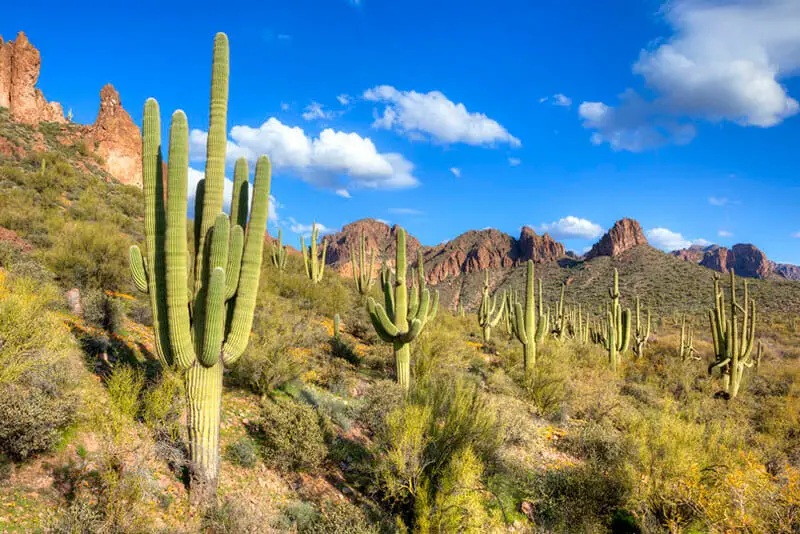
Some species possess a distinctive primary root that extends vertically into the soil, resembling a sturdy anchor. This is particularly evident in larger cacti like the majestic Saguaro, whose root system can stretch up to 10 feet deep, probing for underground water sources. However, the majority of cacti like the prickly pear develop a network of lateral roots that can extend for several feet in multiple directions. This architectural finesse optimizes their capacity to absorb water and nutrients while minimizing water loss to the surrounding arid conditions.
What Do Cactus Roots Look Like? A Closer Examination
Upon closer inspection, cactus roots reveal a striking visual characteristic – their color and texture. Many roots appear whitish or pale, a striking contrast to the earth from which they emerge. This coloration results from a waxy cuticle that protects the roots from desiccation. Furthermore, their surfaces often exhibit a rough texture, enhancing their ability to grip the soil, which is crucial for stability during strong desert winds.
Fleshy roots, common in certain cacti, can be quite bulbous, storing water and nutrients much like the stem of the cactus. This anatomical feature becomes vital during prolonged droughts, allowing the plant to tap into these reserves and maintain hydration. The roots may even show signs of mycorrhizal associations, whereby beneficial fungi intertwine with the root systems, facilitating nutrient exchange and enhancing the overall health of the cactus.
The Role of Roots in Water Conservation
Cacti possess an inherent ability to adapt their root systems to maximize water conservation. During the rainy season, roots can effectively absorb water, expanding rapidly as they take in what they can, whilst limiting further evaporation. The shallow, spreading roots allow quick uptake of scarce water, ensuring minimal loss during the dry spells that follow precipitative events.
In contrast, during extreme drought, the roots can respond by reducing their overall activity, conserving energy and water. This intriguing behavior highlights the dexterity of cactus roots to not just survive but thrive in fluctuating environmental conditions. Through this adaptation, they embody a symbiotic relationship with their ecosystem, cycling nutrients and water in ways that support not just their survival but the health of the landscapes they inhabit.
Beyond Water: Nutritional Strategies of Cactus Roots
While water intake is paramount, cacti are also adept at extracting essential nutrients from their environment. The root systems engage in a process known as nutrient scavenging — taking advantage of the biotic and abiotic interactions in the soil. This includes an intricate relationship with mycorrhizal fungi, which help enhance nutrient uptake significantly, particularly phosphorus. The presence of these fungi can be observed where roots form clumps or nodules, indicative of their symbiotic partnerships.
Moreover, certain cactus species have evolved to extract nutrients from a variety of substrates, including decaying organic matter. Their ability to adapt to different types of soil — from sandy to rocky — further underscores their ecological versatility. Cactus roots can often be found ensconced within decomposed plant material, effectively drawing from both their own growth and the remnants of other organisms.
Environmental Resilience and Root Regeneration
Cactus roots exemplify resilience. After a significant environmental disturbance, such as fire or drought, many cacti can regenerate their root systems remarkably quickly. This regenerative capability is vital for their survival and highlights their robustness in coping with adversity. Through a combination of hormonal responses and cellular regeneration, roots can sprout anew and begin the vital process of nutrient absorption almost immediately.
Furthermore, a cactus’s root architecture can change in response to environmental cues, adjusting to the conditions of the soil and immediate surroundings. They are adaptive, continuously evolving to support the plant in its admirable quest for life against all odds.
Conclusion: The Essential Role of Roots in Cactus Survival
The world of cactus roots is an enigmatic domain, teeming with discoveries waiting to unfold. Through understanding their morphology, functional adaptations, and resilience strategies, one can truly appreciate the sophisticated mechanisms these plants employ to exist within their austere habitats. The roots serve as silent, ever-vigilant guardians of their hosts, showcasing nature’s remarkable ability to adapt, thrive, and regenerate, even in the harshest of conditions.
In unveiling the intricacies of cactus roots, we uncover a deeper narrative about life’s tenacity – reminding us that below the surface lies a rich tapestry of survival, determination, and interconnection within the intriguing realm of cacti.





Leave a Comment