
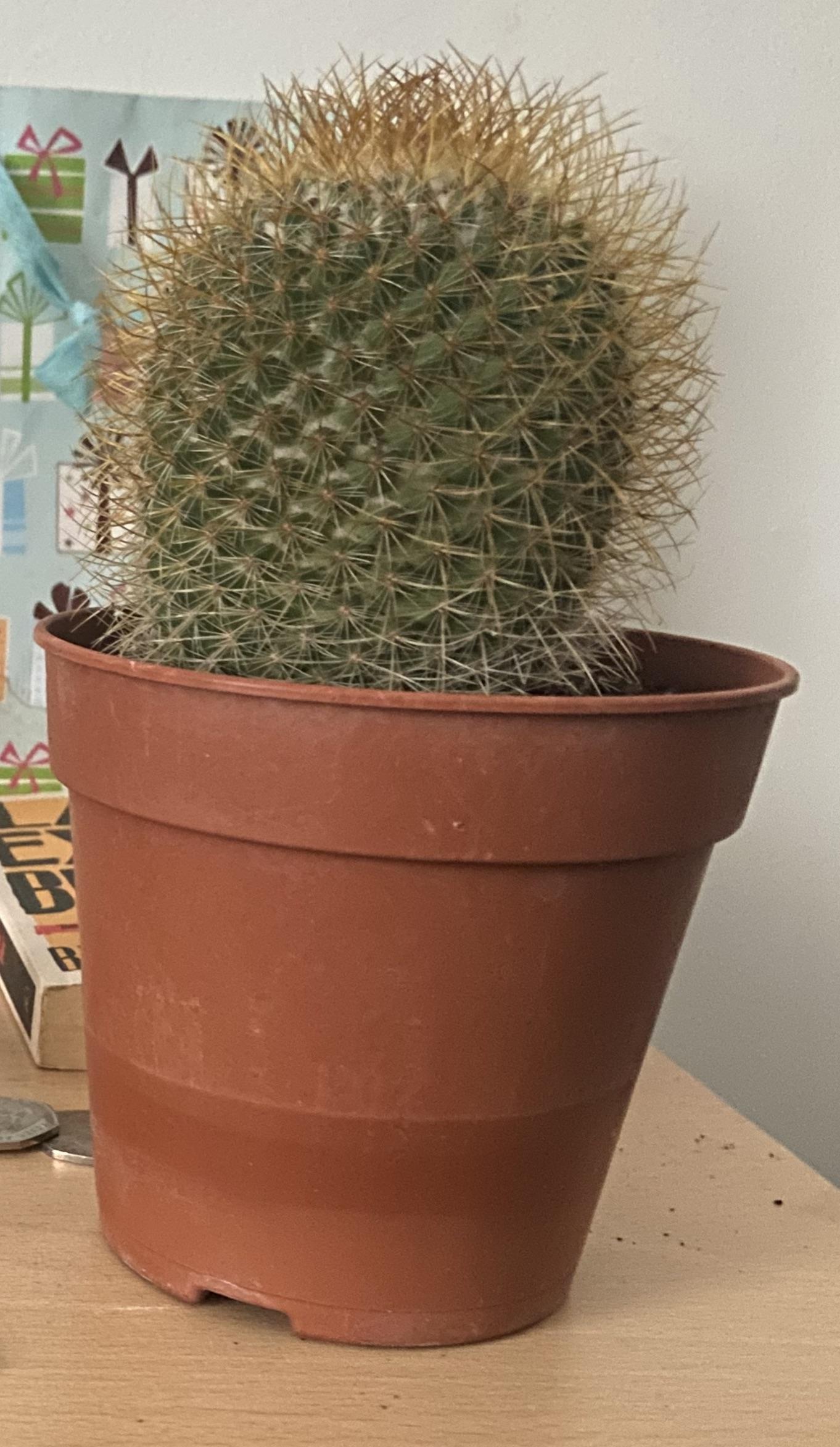
When delving into the world of cacti, the emphasis is often placed on their striking structures and mesmerizing blossoms. However, the seeds of cacti are equally fascinating and play a crucial role in their reproduction. Understanding what cactus seeds look like can aid collectors, gardeners, and horticulturists in their identification and germination efforts. This guide offers insights into the diverse appearance of cactus seeds, the factors influencing their morphology, and tips on how to cultivate them.
Understanding Cactus Seeds: An Overview
Cactus seeds come in myriad shapes, sizes, and colors, reflecting the diversity of the plants themselves. These seeds are generally small, often measuring less than a centimeter in length, yet they pack a wealth of genetic information that dictates the characteristics of the mature plant. Most cacti produce seeds within protective fruit or capsules, which can vary greatly depending on the species.
Typically, cactus seeds are small, flat, and may have a glossy finish. However, some seeds can be round, elongated, or even slightly ovoid. A common feature among many cactus seeds is their hard outer coating, known as the seed coat, which protects them from desiccation and predation in the harsh environments where cacti grow.
The Form and Function of Cactus Seeds
The morphological characteristics of cactus seeds are linked closely to their dispersal mechanisms. In many cases, seeds are adapted to be transported by wind, water, or animals. For example, seeds within fruits such as the fleshy berries of some Opuntia species have juicy pulp that attracts birds, who aid in dispersing the seeds after consuming the fruit. Such adaptations amplify the reproductive success of cacti in arid landscapes.
Cactus seeds can vary notably between genera. For instance, the seeds of the Saguaro cactus (Carnegiea gigantea) are very small, measuring about 1 to 3 millimeters long, and have a somewhat granular texture. In contrast, the Peruvian apple cactus (Cereus repandus) produces seeds that are larger and more oval in shape. The coloration of these seeds can also differ; some are a dark brown or black, while others may have a lighter, mottled appearance.
Notable Examples of Cactus Seeds
Many cactus species exhibit seed variations that are both striking and distinct. Here are a few notable examples:
The Prickly Pear (Opuntia spp.): Known for its vibrant flowers and edible fruits, the seeds of the prickly pear are small, flat, and often shiny. These seeds, typically encased in a bright red or yellow fruit, can be consumed along with the fruit pulp.
The Golden Barrel Cactus (Echinocactus grusonii): This popular ornamental cactus produces seeds that are small, black, and slightly rounded. Once harvested, they can be sown to propagate new plants, although they can take several years to germinate.
The Organ Pipe Cactus (Stenocereus thurberi): The seeds of this towering cactus are interestingly elongated and come packed within a spiny fruit. Each fruit can contain multiple seeds, which exhibit a glossy finish that helps them reflect sunlight in their natural habitat.
Factors Influencing Seed Appearance
The environment in which a cactus grows significantly impacts seed morphology. Cacti thrive in arid regions, where adaptations to minimize water loss and withstand drought are paramount. The hard seed coat is a prime example of an evolutionary trait that enhances a seed’s survivability under such challenging conditions.
Additionally, the genetic makeup of a cactus species influences seed characteristics. In terms of evolutionary biology, the various shapes and forms of seeds represent adaptive strategies to optimize growth and reproduction. Some species have evolved larger seeds that can tap into nutrient reserves within the soil more efficiently, while others rely on smaller seeds for widespread dispersal.
How to Collect and Identify Cactus Seeds
For enthusiasts interested in collecting cactus seeds, understanding how to properly gather and identify them is essential. Following the steps below can facilitate the process:
Harvesting: Seeds are best collected once the fruit or capsules have fully ripened. This often requires waiting until the fruit changes color or begins to dehisce, exposing the seeds inside.
Cleaning: After collection, it is crucial to clean the seeds thoroughly to remove any fleshy residue. A gentle rinse under cool water can help eliminate remaining pulp, ensuring better germination rates.
Drying: Properly drying the seeds is vital. Place them in a cool, dry area for a few days to prevent mold growth. Once they are fully dry, store them in a sealed container away from direct sunlight.
Identifying: Use resources such as field guides or online databases to help identify the seeds. Comparison among various genera can often reveal subtle differences in size, texture, and coloration.
Germination: Germinating cactus seeds requires patience and care. Many species benefit from a stratification period or a soak in water before planting. It is advisable to use a well-draining cactus soil mix to avoid excess moisture, which can cause rot.
Conclusion
The exploration of cactus seeds unveils a world of diversity, adaptation, and resilience. From their unique physical characteristics to their complex role in the life cycle of these remarkable plants, cactus seeds provide not only a means of reproduction but also a testament to the incredible evolutionary strategies that allow species to thrive in harsh environments. By understanding their morphology and the processes surrounding their cultivation, enthusiasts can successfully engage in the rewarding practice of growing cacti from seeds, contributing to the propagation and appreciation of these extraordinary plants.


Leave a Comment