
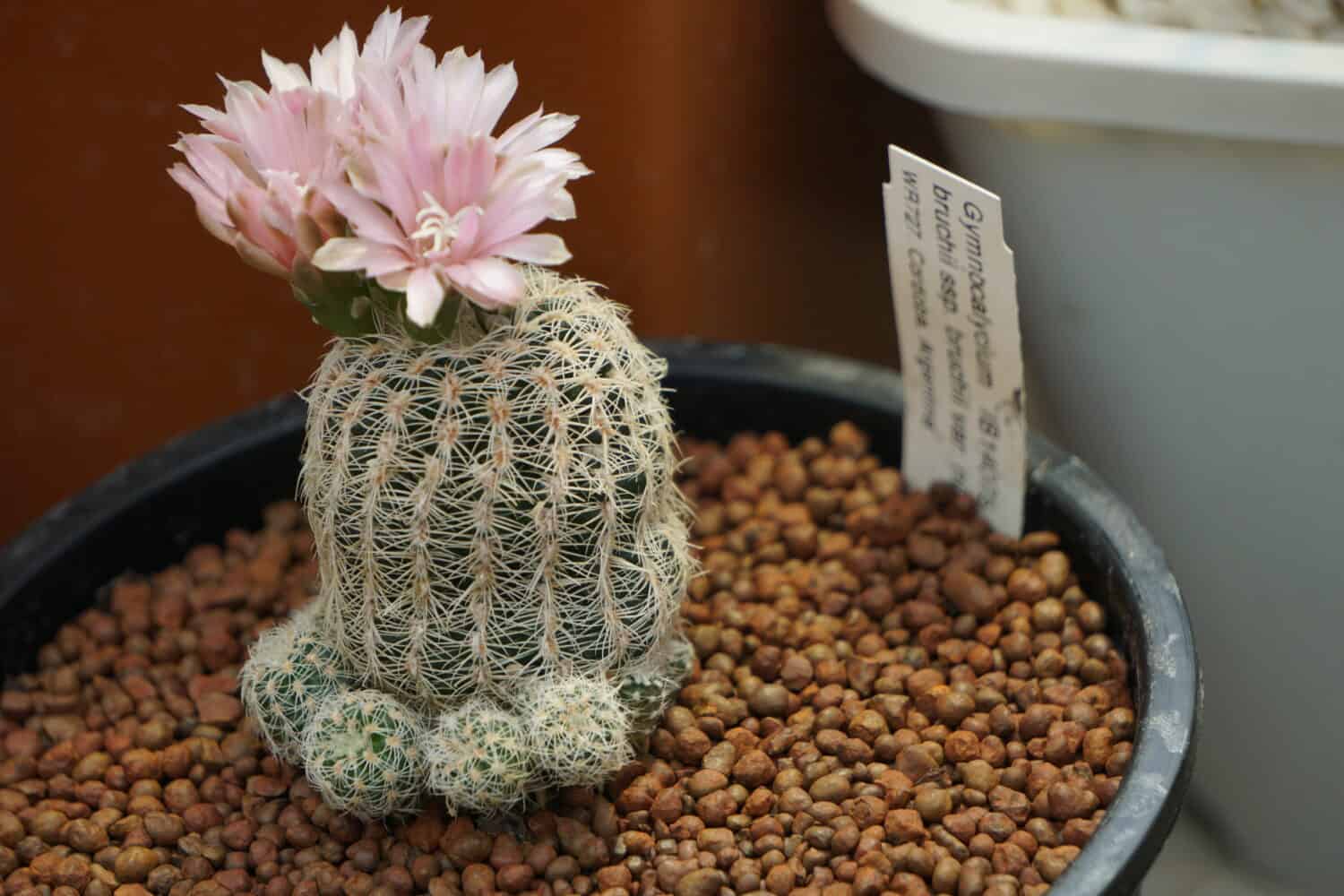
When Do Cacti Flower? Understanding the Flowering Cycle of Cactus Plants
Cacti, known for their strikingly unique adaptations to arid environments, exhibit an enchanting flowering process that is often a source of fascination for enthusiasts and botanists alike. While many may wonder when cacti grace their surroundings with blooms, the timing and manner of flowering is influenced by a confluence of factors, including species variation and environmental cues. In this discourse, we delve into the cyclical nature of cactus flowering, elucidate the conditions that trigger flowering, and explore the miraculous beauty and significance of these blooms.
Environmental Factors Influencing Cactus Flowering
Different species of cacti exhibit varying blooming times, which are heavily influenced by their native habitats and the climatic conditions therein. Most cacti thrive in arid regions characterized by distinct seasonal shifts, especially relating to temperature and precipitation. Generally, cacti will flower during the warmer months, particularly late spring to early summer, which aligns with their natural growing season.
Temperature plays a crucial role in the flowering process. Cacti often require a specific range of temperatures to stimulate blooming. Many species, such as the famous Echinopsis or the enigmatic Saguaro, bloom when daytime temperatures are significantly higher and nighttime temperatures are considerably cooler. These fluctuations produce the ideal thermal environment for blooming. In contrast, insufficient warmth or consistent temperatures may prevent flowering altogether.
Water availability is another critical factor that cannot be underestimated. Cacti are adapted to conserve water, yet they require a system of hydration before flowering can occur. During their growth phase, a well-timed watering regime is essential. While overwatering is detrimental, a periodic and controlled increase in moisture can signal to the plant that conditions are favorable for flowering. Thus, gardeners must pay careful attention to the watering needs of their cacti, particularly as spring approaches.
The Role of Light in Flower Production
Sunlight is the quintessential factor for the process of photosynthesis, which in turn contributes to floral development. Cacti thrive in bright sun, and sufficient light exposure directly correlates to their ability to flower. Most species would benefit from a minimum of six hours of direct sunlight each day. Insufficient light can lead to etiolated growth and the absence of blooms, while excessive light can cause sunburn and hinder the flowering process.
It is important to remember that some cacti require a period of dormancy during which they receive reduced light and cooler temperatures. This dormancy, typically occurring in the fall and winter months, is pivotal as it prepares the plant for the subsequent blooming phase. After dormancy, as daylight hours lengthen and temperatures rise, the cactus can initiate the flowering process.
Cultivation Techniques to Promote Blooming
For individuals seeking to encourage their cacti to flower, understanding proper cultivation techniques is paramount. Regular fertilization, particularly with a balanced fertilizer, can provide the necessary nutrients to promote bloom formation. It’s best to fertilize during the active growth period, typically from spring through early fall. Fertilizers rich in phosphorus and potassium can further stimulate flowering since these nutrients play a vital role in bloom development.
Temperature adjustments can be instrumental in encouraging flowering. A slight temperature drop at night during the flowering season can trigger many cacti to produce their impressive blossoms. Additionally, growers should be cautious about repotting; minimizing root disturbance while ensuring the plant is healthy can promote a more successful flowering season.
Recognizing the Flowering Cycle
Understanding the flowering cycle of a cactus involves recognizing the stages of blooming. Generally, the flowering process commences with the formation of flower buds. These buds may take several weeks, or even months, to develop fully. During this period, changes in the plant’s appearance become notably evident, as the buds swell and color begins to show.
Once the conditions are optimal, the buds will open, revealing the spectacular flowers that characterize the species. Cacti can produce single blooms or, depending on the cultivar, spectacular cascades of flowers. The blooming period is often brief but incredibly rewarding, as many cacti bloom for just one day or a few days, creating a sense of urgency and excitement among growers.
Post-Bloom Care and Importance
After the blooms fade, cacti typically enter a phase of seed production. This is where the ecological utility of flowering becomes apparent, as many cacti rely on pollinators such as bees and butterflies to facilitate fertilization and seed dispersal. It is essential for owners to provide continued care, including monitoring the plant’s health and adjusting watering habits to ensure its vitality as it recovers from flowering.
The beauty of cactus flowers extended beyond aesthetics; it serves critical roles in their ecosystem as well. By attracting pollinators, these flowers contribute to biodiversity in arid environments. Thus, the act of blooming not only brings joy to enthusiasts but also holds ecological significance.
In summary, understanding when cacti flower encompasses not merely the calendar months but also the environmental parameters, cultivation methods, and overall care involved. By paying close attention to these factors, enthusiasts can optimize their experience, witnessing the ephemeral beauty of cactus blooms. A well-cared-for cactus can be a magnificent centerpiece, thriving in its environment and rewarding its caretaker with splendid annual blooms.



Leave a Comment