
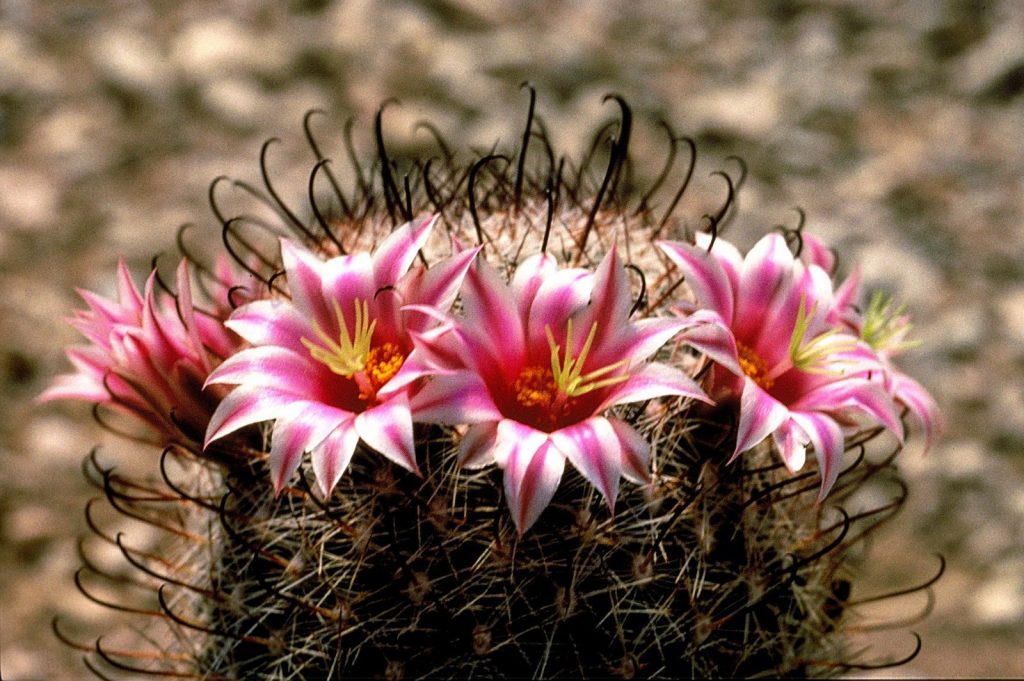
When considering the enchanting world of cacti, an often-overlooked aspect is their flowering behavior. Much like many other plants, cacti typically bloom, but the nuances of their flowering seasons can vary dramatically depending on numerous factors. This exploration delves into when cacti bloom, revealing the mysteries behind their blooming cycles, environmental influences, and care strategies to maximize floral displays.
Understanding the flowering cycles of cacti is not only intriguing but also essential for any enthusiast or horticulturist looking to cultivate these resilient wonders. This guide will unravel the intricacies of cactus blooming, providing insights and tips to witness the breathtaking transformation of these spiny plants.
Contextualizing the Blooming Cycle
Cacti are primarily drought-resistant plants that have adapted to survive in arid environments. Their blooming cycles often reflect their resilience and adaptability. While many assume that cacti bloom solely based on the seasons, various factors come into play, including temperature fluctuations, humidity levels, and even their specific species.
Most cacti will unveil their blooms during the warmer months when conditions are optimal. In general, the flowering season stretches from late spring through early summer. During this time, temperatures rise, and the duration of sunlight increases, creating a conducive environment for many species to initiate their splendid floral displays.
However, to fully appreciate this phenomenon, it is essential to recognize the unique traits of different cactus species. For example, while an Echinopsis might burst into vibrant blooms during May, another genus, such as Gymnocalycium, may reserve its blossoming period for late summer. This simple variation showcases the rich diversity within the cactus family and highlights the importance of understanding individual species.
Environmental Stimuli and Their Impact
Beyond seasonal changes, various environmental stimuli play a pivotal role in a cactus’s decision to bloom. Water availability, temperature swings, and photoperiodicity—day length—are all critical factors. For cacti in their natural habitats, the arrival of occasional rain can be a cue to initiate growth and flowering. This reliance on moisture is a primary reason why many cacti bloom following a rainfall event.
The temperature also significantly influences the timing of flowering. Cacti typically thrive in temperatures between 70°F and 100°F during the day and experience cooler nights. A rapid rise in nighttime temperatures before and during flowering can enhance the blooming potential, as many species respond positively to these variations. Conversely, a long spell of cold weather can delay the flowering process, illustrating the delicate balance these plants maintain with their environment.
Furthermore, the length of daylight can influence a cactus’s readiness to flower. New growth and blooms are typically stimulated by longer days, which signal to the plant that it is time to emerge from dormancy. Grow light supplementation in controlled environments can simulate these conditions, leading to accelerated blooming schedules that can contradict natural cycles. Therefore, growers can manipulate light exposure to potentially coax cacti into early or extended blooming periods.
Preparing Your Cactus for Blooming Days
If you’re looking to maximize the floral output of your cacti, understanding their needs is critical. Proper care during the preceding months before bloom is vital to set the stage for a stunning display. Watering practices play a significant role. During the spring—when many species prepare to bloom—introduction to a consistent watering schedule is crucial. Initially, one should water sparingly, allowing the soil to dry between intervals. However, as temperatures rise and growth resumes, gradually increasing the frequency will help the plant store energy for blooming.
Fertilization is another aspect worth considering. Introducing a balanced, low-nitrogen fertilizer during the growing season can provide the necessary nutrients cacti require to support flower development. The application, ideally aligned with the onset of spring, can enhance blooming potential. Moreover, ensuring your cactus receives adequate sunlight—at least six hours of direct light a day—is paramount to encourage healthy growth and abundant flowers.
Pest management should not be overlooked, either. Infestations can severely hinder a cactus’s ability to bloom, with pests robbing essential nutrients or introducing diseases. Regular inspection, combined with prompt treatment of any infestations, is necessary to ensure your plant remains healthy and primed for its blooming journey.
Embracing the Blooming Experience
The cyclical nature of cactus blooming can provide a profound sense of joy and satisfaction. Observing these fascinating plants transition from seemingly dormant to bursting with life is an experience like no other. Those willing to delve deep into the intricacies of their care and understanding will marvel at the symphony of colors that can erupt in their gardens, courtyard, or indoor spaces.
In conclusion, the enigma of when cacti bloom is layered with complexities rooted in species diversity and environmental factors. By deciphering these elements and providing the appropriate care, anyone can unlock the hidden potential of their cacti and partake in the mesmerizing display of nature’s artistry. Witnessing a cactus bloom is not merely seeing a flower; it is embracing a testament to resilience, adaptation, and the enduring beauty of the natural world.




Leave a Comment