
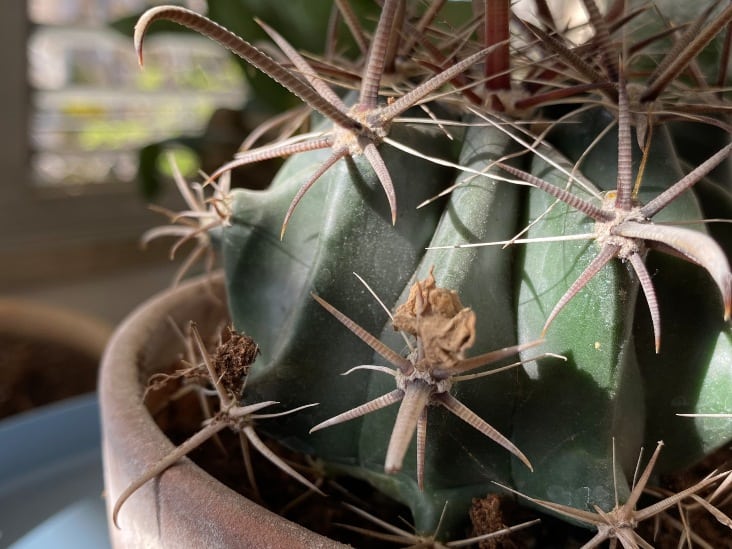
Understanding the underlying causes of why a cactus is turning brown is essential for any enthusiast or gardener. These resilient plants, known for thriving in arid conditions, can exhibit browning leaves due to a variety of environmental, watering, and pest-related factors. Caring for a cactus involves more than just sunlight and minimal water; recognizing and addressing issues promptly ensures these hardy plants remain vibrant and healthy.
Determining the causes of browning in cacti requires a multifaceted approach. Below, several primary factors contributing to this issue are explored, along with corresponding remedies to restore your cactus to its former glory.
Environmental Stresses and Their Effects
Cacti are adapted to survive harsh environments, but they are not invincible. One significant factor affecting their health is temperature. Cacti generally prefer warm temperatures, but extremes in either direction can lead to damage. If your cactus is exposed to cold drafts or overly hot areas, you’ll likely notice the skin turning brown. To combat this, ensure your cactus is kept in a stable environment where temperatures range between 70°F and 100°F during the day and remain above 50°F at night.
Additionally, lighting conditions play a crucial role in the health of a cactus. While these plants crave sunlight, too much direct exposure can scorch their leaves, causing them to turn brown or develop unsightly sunburn. If your cactus is situated in an area where sunlight is overwhelming, consider relocating it to a spot with filtered light. Conversely, insufficient light can also lead to browning. Cacti need at least 4 to 6 hours of bright, direct sunlight daily. Using grow lights can be beneficial during gloomy winter months.
Overwatering: A Silent Killer
One of the most common culprits behind browning cactus is overwatering. Contrary to popular belief, these desert dwellers require very little moisture. When watered too frequently, cacti can develop root rot, a condition marked by darkening, mushy, or brown roots. If the browning starts from the base and works its way up, root rot may be the problem. To remedy this, allow the soil to dry out completely between watering sessions, typically every 2-4 weeks, depending on the season and type of cactus. Use well-draining soil specifically designed for cacti and succulents to further prevent excess moisture retention.
Signs of Overwatering and Remedies
Look for additional signs that indicate overwatering, such as yellowing leaves, a soft texture, or an unpleasant odor emanating from the soil. If these indicators arise, repotting your cactus in fresh soil and removing any rotted roots can save your plant. Be sure to let the root system dry before replanting, as this helps reduce the risk of further rot.
Underwatering: The Other Extreme
Conversely, underwatering can also lead to browning cactus. When deprived of adequate hydration, a cactus will exhibit shriveled leaves that may eventually turn a dark brown color. The solution here is straightforward—water your cactus properly. The frequency of watering should correspond with the season; during the growing season, water more frequently, while in the dormant months, decrease the amount. When watering, soak the plant thoroughly until water drains from the bottom of the pot, then let it dry out completely before the next watering.
Pest Infestations and Disease
Pests can be an insidious issue for cacti, often leading to browning leaves if not promptly addressed. Mealybugs, spider mites, and scale insects are among the most common pests. These tiny creatures feed on the sap of the cactus, weakening it over time and causing discolored patches or brown spots. Inspect your plant regularly, especially the undersides of pads and leaves, for any signs of infestation. If found, treatment with insecticidal soap or neem oil will effectively eliminate the pests. Be sure to follow the instructions on the product labels for best results.
Furthermore, fungal and bacterial infections can result from poor care habits, especially in conjunction with overwatering. Identify any soft spots, discoloration, or unusual growths on your cactus. Should a disease be suspected, removing the affected areas may help contain the spread. In severe cases, consider applying a fungicide specifically designed for succulents.
Conclusion: Proactive Care Equals Vibrant Cacti
Understanding why your cactus may be turning brown is imperative for maintaining its health and vitality. Whether caused by environmental stress, improper watering, pests, or disease, recognizing these signs early and taking appropriate action will ensure your cactus thrives. By providing your plant with the right conditions, you can avoid the browning predicament altogether, leading to a vibrant and flourishing cactus that adorns your space for years to come.
In summary, keep a close watch on temperature, lighting, and watering practices, while remaining vigilant for pests. With informed care, your cactus can continue to be a striking centerpiece in your home or garden, defying its reputation for being a low-maintenance plant. With patience and attention, your green friend will bounce back, showcasing its resilience as well as its beauty.



Leave a Comment