
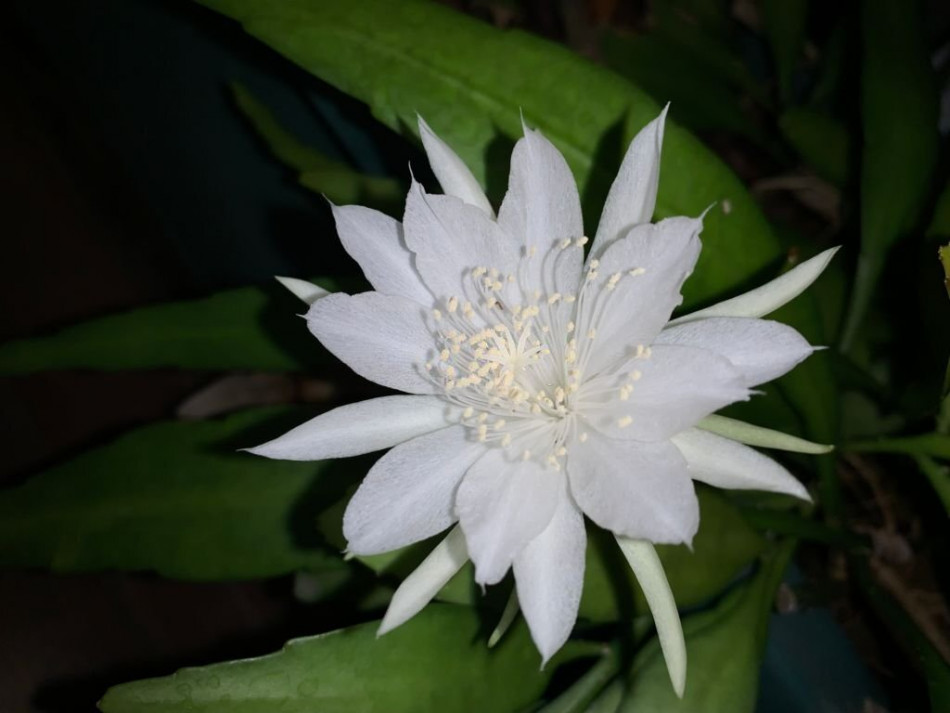
The enigmatic world of cacti reveals many mysteries, none more captivating than the phenomenon of nocturnal blooming. While many flowering plants showcase their vibrant hues during the day, certain cactus species reserve their most exquisite displays for the night. This alluring aspect of cacti invites exploration into the reasons behind this unique adaptation and the intriguing strategies these plants employ to thrive in harsh environments.
In the arid ecosystems where cacti reside, survival hinges on a myriad of factors, and the timing of flower blooming plays a pivotal role in reproduction and ecological dynamics. Let us delve into the labyrinthine motivations that compel certain cacti to open their petals under the cover of darkness.
Evolutionary Advantages of Night Blooming
A quintessential question arises: why do certain cacti prefer to bloom at night instead of day? The nocturnal blooming strategy can be traced back to evolutionary advantages that enhance reproductive success. By timing their flowering to nighttime, these cacti can exploit the behavior of specific pollinators that are active after sundown.
Many of the pollinators attracted to night-blooming cacti, such as moths and bats, possess adaptations allowing them to navigate efficiently in the dark. Moths, in particular, are drawn to the delicate scents emitted by these flowers. This nocturnal activity creates a significant reproductive advantage, as they fulfill their ecological role while minimizing competition for pollination with daytime insects such as bees. As a result, nocturnal cacti enhance the likelihood of cross-pollination and subsequent seed production, which is vital for their propagation.
Aromas and Colors: The Irresistible Lure
The sensory appeal of nighttime flowers goes beyond the embrace of darkness. Many night-blooming cacti emit floral fragrances that are specifically evolved to attract nocturnal pollinators. The chemistry of these scents is often a complex bouquet of volatile compounds, designed to stimulate olfactory receptors in moths and bats. The intermingling aromatic compounds, delivering signals across vast desert landscapes, elevate the attractiveness of these flowers in the starlit sky.
Additionally, the visual characteristics of night-blooming cacti differ from their diurnal counterparts. While day-blooming flowers might flaunt vibrant colors to attract daytime pollinators, night bloomers often exhibit pale or white blooms. These subtle hues mirror the ethereal glow of moonlight, enhancing visibility in low-light conditions. This strategic coloration, combined with their intoxicating fragrances, crafts an alluring beacon for the night’s winged visitors.
Environmental Factors at Play
Beyond evolutionary and sensory considerations, environmental factors play an essential role in the nocturnal blooming cycle. Cacti thrive in arid climates, where water conservation is paramount. During the day, the sun beats down mercilessly, leading to high temperatures that accelerate evaporation rates. By blooming at night, cacti reduce the risk of water loss through transpiration, as cooler nighttime temperatures enhance their water retention capabilities.
Furthermore, the increased humidity that often accompanies the cooler temperatures of night can be advantageous for succulents that have adapted to withstand drought. By utilizing the moisture present in the atmosphere, cacti can optimize conditions for pollination and ovule development without succumbing to the potentially detrimental effects of daytime heat and aridity.
Fascinating Examples of Nocturnal Blooming Cacti
A plethora of cactus species exhibits this nocturnal idiosyncrasy, such as the well-known night-blooming cereus (Selenicereus grandiflorus). With its stunning, large white flowers unfurling under the moonlight, this species captivates observers during brief windows of blooming. Each flower lasts only a single night, emphasizing the urgency of the pollination process — an ephemeral beauty that invokes wonder and appreciation for the intricacies of nature.
Another notable example is the queen of the night (Cactaceae family), celebrated for producing fragrant, showy flowers that open during the coolness of the evening. As the moniker suggests, this cactus holds court under the stars, providing an enchanting spectacle for night owls and romantic souls alike.
These plants serve as vital reminders of the adaptability and resourcefulness inherent to life in harsh environments. By embracing the night, these cacti exemplify resilience and ingenuity, elevating the experience of beholding their fleeting blossoms to an art form.
Understanding and Appreciating Complexity
In conclusion, the phenomenon of nocturnal blooming in cacti is an exquisite intermingling of evolutionary strategy, sensory attraction, and environmental adaptation. This adaptation reveals how life can thrive in the most inhospitable conditions. As observers, we are invited to marvel at the intricate relationships within ecosystems and understand that beauty exists in many forms and at varying times.
This nighttime wonder captivates our imagination and sparks curiosity about the various manifestations of life that surround us. Therefore, the next time you stroll through a desert landscape or a plant nursery, let your gaze drift skyward as the sun sets. You may just uncover the beauty concealed in the shadows, where cacti bloom in silent celebration of the mysteries of nature.





Leave a Comment