
Short Answer
Can a humble, spiny desert dweller revolutionize modern agriculture and offer a lifeline to farmers battling relentless droughts? In an era where climate unpredictability is reshaping global farming practices, the resilient cactus emerges not just as a survivor but a visionary ally. Its unique drought-resistant qualities beckon us to rethink traditional crops and embrace sustainable alternatives. But what makes cactus such a formidable candidate for arid landscapes, and how might it transform the future of farming? Let’s embark on a vibrant exploration of the benefits cactus brings to drought-stricken fields and the farmers who nurture them.
The Unyielding Nature of Cactus: An Evolutionary Marvel
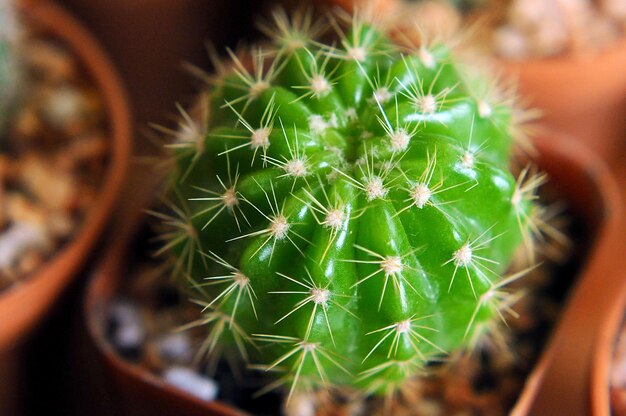
Cacti are the quintessential desert connoisseurs, having evolved extraordinary adaptations to thrive where many plants perish. Their thick, fleshy stems act as water reservoirs, enabling them to store moisture over extended dry spells. Unlike typical plants that lose water through leaves, cacti perform photosynthesis through their green, spiny stems, minimizing transpiration. This ingenious water conservation strategy equips them to flourish in harsh climates with minimal irrigation.

This evolutionary finesse translates into a crop that demands significantly less water, presenting a compelling option for farmers constrained by limited water availability. By cultivating cactus, farmers can sustain productivity without depleting precious water resources, striking an ideal balance between ecology and economy.
Economic Advantages: More Than Just Water Savings
The financial calculus of farming often boils down to input costs versus output value. Growing cactus reduces overheads sharply, primarily because it curtails irrigation expenses — historically one of the largest cost factors. Beyond savings on water, cacti are remarkably low-maintenance, requiring fewer pesticides and fertilizers, since their tough exterior deters most pests and diseases.
Moreover, cacti yield a variety of marketable products. The pads, often called “nopales,” are a popular culinary ingredient rich in fiber and antioxidants. The fruit, known as “tunas,” commands markets eager for exotic, nutritious produce. Additionally, the potential for cactus biomass in biofuel production or as animal fodder broadens economic opportunities for enterprising farmers.
Environmental Stewardship: Cultivating Sustainability in Arid Landscapes
Incorporating cactus cultivation into arid farming systems speaks volumes about commitment to environmental stewardship. Cacti’s deep root systems enhance soil stability, reducing erosion and improving land health in fragile ecosystems. As climate change intensifies desertification, cactus plantings can act as natural barriers that mitigate land degradation.

The intrinsic drought tolerance also means less reliance on dwindling freshwater sources. This not only conserves vital water tables but helps maintain biodiversity by preserving native plant communities. Employing cactus as a drought-resistant crop aligns seamlessly with ecological goals, positioning farmers as guardians of their lands rather than mere exploiters.
Challenges in Adopting Cactus Cultivation: Is It All Rosy?
Of course, no agricultural innovation comes without hurdles. Introducing cactus in traditional crop systems may initially puzzle farmers familiar with conventional grains or vegetables. The plant’s slower growth cycle compared to annual crops demands patience and strategic planning. Harvesting techniques differ as well; specialized knowledge is needed to handle the spines and properly prepare cactus for market.
Market acceptance can also be a bottleneck. While cacti products have niche popularity, wider consumer awareness is essential to spur demand and profitability. Infrastructure for processing and distribution needs development, particularly in regions where cactus farming is novel. However, these challenges, while significant, are far from insurmountable with concerted effort and investment.
Farmers as Pioneers: Cultivating Resilience and Innovation
The story of cactus cultivation is also a narrative about farmer ingenuity. Communities adapting to erratic rainfall patterns have long integrated cactus species into their agricultural repertoire. Their experiential knowledge provides invaluable insights into optimal planting, care, and harvesting practices. Additionally, innovators and agricultural researchers continuously seek to improve cactus varieties for greater yield and nutritional value.
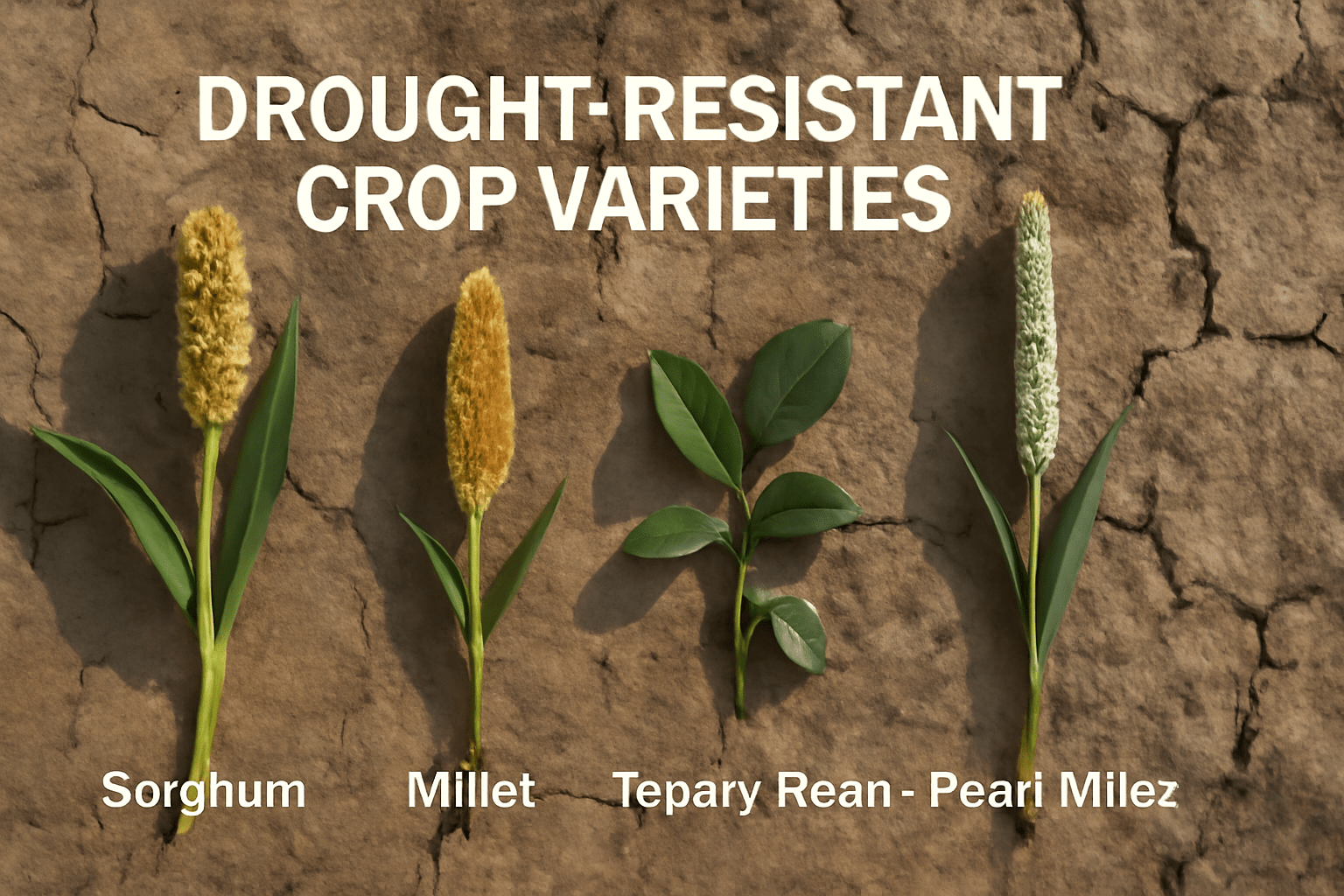
By championing cactus as a drought-resistant crop, farmers not only safeguard their livelihoods but also contribute to the broader narrative of sustainable agriculture. They become agents of change, demonstrating that resilience and profitability need not be mutually exclusive in the face of environmental adversity.
Looking Ahead: The Future of Cactus in Global Agriculture
What lies ahead for cactus cultivation is a story brimming with potential. Advances in agronomy, coupled with rising awareness of climate-smart farming, may propel cactus from a regional curiosity to a mainstream crop. Biotechnology and selective breeding could enhance traits such as faster growth, increased fruit sweetness, and pest resistance, enhancing commercial viability.
For farmers, governments, and policymakers, investing in cactus agriculture presents a proactive approach to drought adaptation. It underscores a paradigm where agricultural innovation meets ecological imperatives. Imagine vast tracts of once-barren lands transformed into verdant cactus farms — a testament to nature’s ingenuity and human perseverance combined.
In a world grappling with water scarcity and shifting climate patterns, the cactus stands as a beacon of hope — prickly yet promising, tough yet tender in its offerings. Are farmers ready to take on the challenge and embrace this remarkable drought-resistant crop? The answer may well shape the future of farming on our arid planet.
FAQ
What makes cactus suitable for drought-prone farming?
Cactus stores water in its thick stems and performs photosynthesis with minimal water loss, enabling survival and productivity in dry conditions.
How can cactus benefit farmers economically?
By lowering irrigation and pest control costs and providing diverse products like edible pads and fruit that have market demand.
What environmental roles does cactus cultivation play?
It helps prevent soil erosion, maintains soil health, conserves water, and supports biodiversity in arid areas.
Are there any difficulties in growing cactus commercially?
Yes, including slower growth rates, the need for special harvesting skills, and the necessity to develop markets and infrastructure.
What is the future outlook for cactus farming?
Potential advances in breeding and farming techniques could improve yields and product quality, making cactus a key crop for drought adaptation.



Leave a Reply