
Short Answer
In the arid landscapes where sunlight bakes the earth into submission, a silent revolution unfolds. The Opuntia cacti, those prickly sentinels of resilience, stand defiant against the creeping specter of extinction. Yet, their survival is not guaranteed by mere tenacity alone. The question lingers like a desert mirage: Are Opuntia species truly endangered? To answer this, we must peel back the layers of ecological intrigue, human intervention, and the delicate balance of nature’s tapestry.
The Myth of the Indestructible: Why Opuntia Defies Expectations
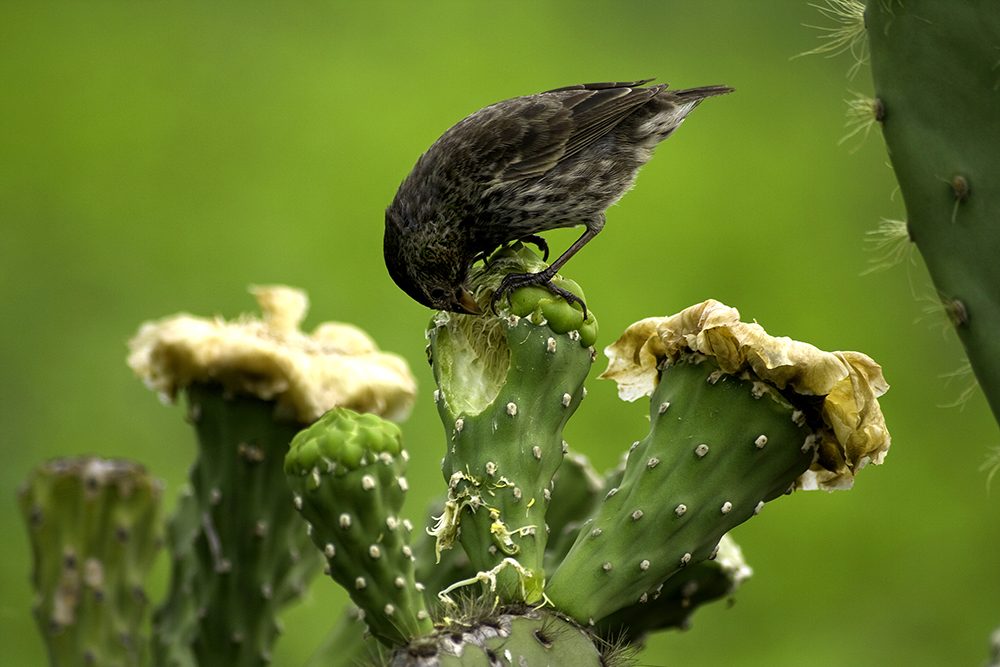
Opuntia, the genus of flat-padded cacti, has long been celebrated for its hardiness. These plants thrive in conditions that would wither most others—scorching heat, parched soils, and erratic rainfall. Their ability to store water in swollen pads and reproduce through fragmentation makes them seem impervious to decline. Yet, this very resilience masks a vulnerability that often goes unnoticed. While some Opuntia species flourish in their native habitats, others teeter on the brink, their populations dwindling under the weight of anthropogenic pressures.
The fascination with Opuntia lies not in their survival, but in their paradox. They are survivors, yes, but their endurance is tested by forces beyond their control. Habitat fragmentation, invasive species, and climate change conspire to erode their domains. The same traits that allow them to thrive—such as their slow growth and specialized pollination requirements—can become liabilities when ecosystems are disrupted. To understand their conservation status, we must first acknowledge that even the most indomitable species are not immune to the cascading effects of environmental degradation.
Global Hotspots: Where Opuntia Faces the Greatest Threats
The plight of Opuntia is not uniform across the globe. Certain regions bear the brunt of their decline more acutely. In the Mediterranean, for instance, Opuntia ficus-indica, the prickly pear, has been both a cultivated staple and an invasive nuisance. Its dual role complicates conservation efforts, as it is both cherished for its fruit and reviled for its spread into non-native ecosystems. Meanwhile, in the Americas, native Opuntia species face habitat loss due to urbanization and agricultural expansion. The once-vast deserts and grasslands that sustained these cacti are now fragmented by roads, fences, and concrete.
Climate change further exacerbates these threats. Prolonged droughts, intensified by global warming, stress Opuntia populations, making them more susceptible to pests and diseases. The delicate interplay between temperature, precipitation, and soil moisture—factors that once favored their growth—now conspires against them. In some cases, Opuntia species are forced into higher elevations or more arid niches, where their survival becomes a precarious balancing act. The irony is stark: the very resilience that defined them is now being tested by the very conditions they once thrived in.
Human Footprints: The Double-Edged Sword of Cultivation
Human interaction with Opuntia is a tale of two extremes. On one hand, traditional cultivation has preserved certain species, such as Opuntia robusta in Mexico, where it is revered for its fruit and medicinal properties. On the other, commercial agriculture and ornamental horticulture have introduced Opuntia into non-native environments, where they outcompete local flora and disrupt ecosystems. The prickly pear’s journey from the Americas to Europe, Africa, and Australia is a testament to its adaptability—but also to the unintended consequences of human intervention.
The cultivation of Opuntia for food, fodder, and biofuel has saved some species from oblivion, yet it has also diluted their genetic diversity. Monoculture plantations, while economically beneficial, reduce the resilience of Opuntia populations, making them more vulnerable to pests and diseases. Additionally, the global trade in Opuntia plants has facilitated the spread of invasive species, which can outcompete native cacti for resources. The challenge, then, is to strike a balance between exploitation and conservation—a task that demands both innovation and restraint.
Conservation in Action: Strategies to Safeguard Opuntia
Fortunately, conservationists are not standing idle. A multifaceted approach is being employed to protect Opuntia species from further decline. In situ conservation, which involves preserving habitats in their natural state, is a cornerstone of these efforts. Protected areas, such as desert reserves and national parks, provide safe havens where Opuntia can thrive without the threat of habitat destruction. Reintroduction programs, where native cacti are transplanted into restored habitats, have also shown promise in bolstering dwindling populations.
Ex situ conservation, on the other hand, involves safeguarding Opuntia species outside their natural habitats. Botanical gardens and seed banks play a crucial role in preserving genetic diversity, ensuring that even the rarest species have a chance to survive. Cryopreservation, a cutting-edge technique that involves freezing plant tissues, offers a lifeline for species on the brink of extinction. Meanwhile, community-based conservation initiatives empower local communities to become stewards of their natural heritage, fostering a sense of ownership and responsibility.
The role of technology cannot be overstated. Remote sensing and GIS mapping allow conservationists to monitor Opuntia populations in real-time, identifying threats and prioritizing interventions. Citizen science projects, where volunteers contribute data on Opuntia sightings, have also proven invaluable in tracking their distribution and health. These tools, combined with traditional knowledge, create a robust framework for conservation that is both adaptive and inclusive.
The Cultural and Ecological Significance of Opuntia
Beyond their ecological importance, Opuntia species hold deep cultural significance. In Mexico, the prickly pear is a symbol of resilience and sustenance, woven into the fabric of indigenous traditions. Its fruit, known as tuna, is celebrated in festivals and culinary traditions, while its pads, or nopales, are a staple in the diet. Similarly, in the Mediterranean, Opuntia ficus-indica has been cultivated for centuries, its presence a testament to human ingenuity and adaptability. The loss of these species would not only disrupt ecosystems but also erase centuries of cultural heritage.
The fascination with Opuntia extends beyond their practical uses. Their unique morphology—flattened pads, vibrant flowers, and formidable spines—has inspired artists, poets, and scientists alike. The cactus’s ability to thrive in adversity has made it a metaphor for perseverance, a symbol of life persisting against all odds. Yet, this fascination must be tempered with action. The decline of Opuntia species is not merely an ecological concern; it is a cultural and spiritual loss that reverberates through generations.
Looking Ahead: A Call to Action for Opuntia Conservation
The future of Opuntia species hinges on our collective ability to address the root causes of their decline. This requires a shift in perspective—one that recognizes the intrinsic value of these cacti beyond their utilitarian roles. Policymakers must prioritize habitat protection and sustainable land use, while researchers continue to unravel the complexities of Opuntia ecology. Meanwhile, communities must be engaged in conservation efforts, ensuring that local knowledge and traditions are preserved alongside biodiversity.
The story of Opuntia is a microcosm of the broader challenges facing our planet. It is a tale of resilience, adaptation, and the delicate balance between human needs and ecological integrity. As we stand at the crossroads of environmental crisis, the fate of Opuntia species serves as a poignant reminder: the natural world is not a resource to be exploited, but a heritage to be cherished. The prickly pear’s struggle is our struggle—a call to action for all who recognize that the survival of one species is inextricably linked to the survival of us all.
FAQ
What are Opuntia species?
Opuntia species, commonly known as prickly pears, are a genus of cacti known for their flat pads and vibrant flowers.
Are all Opuntia species endangered?
Not all Opuntia species are endangered, but many face serious threats from habitat loss and climate change.
What conservation efforts are being made for Opuntia?
Conservation efforts include habitat protection, reintroduction programs, and community-based initiatives to preserve these species.





Leave a Reply