
Short Answer
Is it truly possible to coax the enigmatic Ariocarpus from a tiny, fragile seed into a robust, slow-growing marvel of desert botany? Enthusiasts of succulent cultivation often ask themselves this playful yet profound question as they delve into the world of Ariocarpus propagation. These captivating cacti, famed for their cryptic shapes and slow maturation, beckon both novice and seasoned growers to embrace the delicate art of seed propagation. Yet, beneath the allure lies a challenge unlike many others—one that requires patience, precision, and a touch of botanical finesse.
Understanding the Mysterious Ariocarpus
Ariocarpus represents a genus of peculiar cacti native primarily to the arid limestone hills of Mexico and southern Texas. Their distinctive wart-like tubercles and muted tones camouflage them brilliantly against their natural rocky habitats. Unlike more flamboyant cacti, Ariocarpus exhibit an understated elegance and a slow, deliberate growth pattern. Their enigmatic beauty has fascinated collectors and horticulturists for decades, igniting a passion to propagate these treasures and share them with fellow enthusiasts.

The Intriguing Challenge of Ariocarpus Seed Propagation
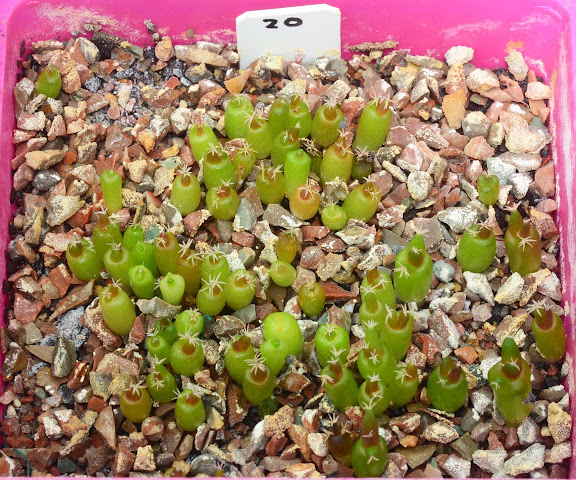
Growing Ariocarpus from seed might seem straightforward in theory, but reality often tells a different story. Seeds of Ariocarpus are notoriously slow to germinate and require exacting conditions for success. The challenge lies not merely in sowing but in replicating the subtle nuances of their native ecology—temperature fluctuations, mineral-rich substrates, and controlled moisture regimes. The slow pace of growth demands a gardener’s dedication and patience, as seedlings may remain minuscule and vulnerable for months, sometimes even years, before displaying characteristic features.

Preparing the Ideal Seedbed: Substrate and Sterilization
Successful acupuncture of Ariocarpus seeds into the realm of life demands an impeccable seedbed. A well-draining substrate enriched with mineral components is essential to avoid stagnation or fungal outbreaks. Materials such as a finely sifted mix of decomposed granite, pumice, and a minuscule fraction of organic matter recreate the natural stony matrix these plants thrive in. Sterilizing the substrate is paramount to inhibit opportunistic molds and pathogens. This can be achieved through oven sterilization or microwave methods, ensuring the microenvironment remains pristine for the delicate seeds to awaken and root.
Mastering the Art of Sowing
When sowing Ariocarpus seeds, subtlety triumphs over volume. Dispersing the seeds lightly on the surface without burying them encourages natural light penetration, which catalyzes germination. Maintaining a consistent warmth, generally between 70-85°F (21-29°C), coupled with diffuse light mimicking their semi-shaded desert surroundings, fosters optimal growth. Covering the sown seeds with a transparent dome or plastic wrap preserves humidity but requires vigilant airing routines to prevent condensation buildup that could prove fatal to the nascent seedlings.
The Waiting Game: Germination and Early Growth
Patience becomes the utmost virtue. Seeds typically germinate after two to four weeks, but some might linger for months—testing the resolve of even the most steadfast grower. Emergent seedlings must be shielded from direct sunlight to avert scorching, while still receiving enough light for photosynthesis. Watering calls for a gentle touch; light misting with distilled or rainwater keeps the humid microenvironment stable without drowning the fragile roots. The first year witnesses glacial growth, with seedlings remaining diminutive and often easily overlooked. Yet, every minuscule tubercle or geometric pattern emerging is a triumph, a whispered promise of the plant’s future splendor.

Transplanting and Long-Term Cultivation
Once seedlings develop a sturdy root system and begin to outgrow their initial pots, careful transplantation into individual containers is advised. The new substrate should mimic the original seedbed’s gritty composition to prevent root rot and provide aeration. Over subsequent years, Ariocarpus will demand minimal watering outside of active growth phases, especially through winter dormancy. Fertilization with a diluted, cactus-specific formula can encourage slightly faster development, though moderation remains key. Respecting the plant’s slow rhythm ensures longevity and the formation of the quintessential star-shaped rosette.
Common Obstacles and Remedies
Even for the most diligent growers, Ariocarpus seed propagation presents hurdles. Seed dormancy, fungal afflictions, and desiccation top the list of challenges. Employing fungicides during the initial soaking of seeds, maintaining impeccable hygiene, and controlling humidity levels minimize risks. Should seedlings succumb to etiolation or yield less than vigorous growth, gently increasing light exposure and decreasing watering frequency may restore vigor. Occasionally, cross-pollination or fresh seed procurement can prove decisive in overcoming problematic batches.
The Reward Beyond the Challenge
The allure of Ariocarpus isn’t limited to their rare charm. Growing these enigmatic plants from seed offers a profound connection to the rhythms of nature’s slow artistry. Each successfully nurtured seedling is not only an emblem of horticultural mastery but also a living testament to patience and dedication. From minuscule seeds emerge structures of timeless desert beauty, their subtlety enchanting and inspiring. The journey, often long and exacting, becomes a cherished narrative for any succulent enthusiast willing to embrace the challenge.
FAQ
What makes Ariocarpus seed propagation challenging?
Their seeds germinate slowly and require precise temperature, humidity, and substrate conditions to succeed.
How should I prepare the substrate for Ariocarpus seeds?
Use a sterilized, well-draining mix of decomposed granite, pumice, and a small amount of organic matter.
How do I care for Ariocarpus seedlings after germination?
Provide diffuse light, avoid direct sun, mist lightly to maintain humidity, and avoid overwatering.
When is it appropriate to transplant Ariocarpus seedlings?
Transplant when seedlings develop a robust root system and begin to outgrow their initial pots.
Can fertilization speed up Ariocarpus growth?
Diluted, cactus-specific fertilizer can encourage growth, but moderation is necessary to respect the plant's slow natural rhythm.


Leave a Reply