
Short Answer
Imagine a fortress of nature’s resilience, standing tall amidst arid landscapes, adorned with rows of fierce spines like a monarch draped in armor. The Ferocactus, a cactus as bold as the desert sun, captivates with its striking silhouette and tenacious spirit. Yet, behind this rugged beauty lies a delicate balance—a rhythm of watering that can either nurture its majesty or invite silent ruin in the form of rot. Mastering the art of hydrating Ferocactus is akin to decoding a desert’s secret whispers, where too much kindness becomes a perilous excess. This journey through the intricacies of watering your Ferocactus will illuminate methods to enthrall your plant with life, steering clear of the trap of overwatering and decay.
The Thirst of Titans: Understanding Ferocactus Water Needs
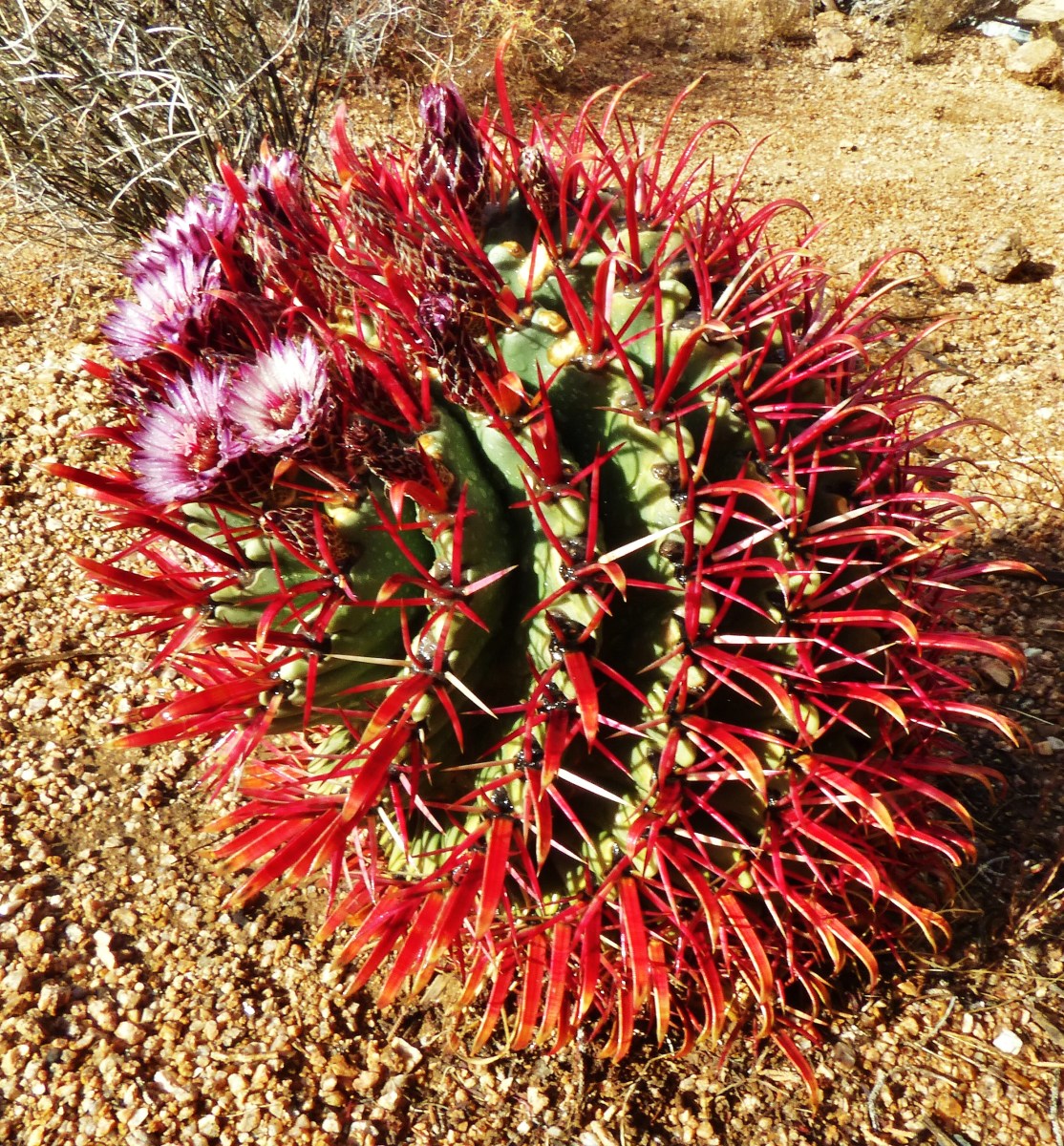
Ferocactus, often referred to as “fierce cacti,” thrive in xerophytic conditions, where moisture is a precious commodity and survival means mastering conservation. Their thick, ribbed bodies swell like nature’s reservoirs, designed meticulously to hoard water during scant rainfalls. Yet, their thirst is measured, not insatiable. Unlike many houseplants that drink eagerly at each watering, Ferocactus demand a patient hand and mindful intervals.
Watering too frequently can starve their roots of oxygen, turning the life-giving liquid into a liquid assassin. The secret lies in allowing the medium around their roots to dry out thoroughly between drinkings. The soil must whisper dryness before the next watering ritual begins. This strategy mimics the unpredictable desert rain patterns that sustain them in the wild, and your plant will respond by flourishing with its majestic, spiny glow.
Reading the Desert Script: Signs Your Ferocactus Needs Water
One must become fluent in the subtle signals the Ferocactus sends—an enigmatic language of texture and hue. When this plant is parched, its ribs contract, the vibrant green fades to a muted olive, and the skin tightens like a drum stretched over its frame. In these moments, the cactus entreats for water.
Conversely, a plump, firm cactus signals an adequately quenched state. Pressing gently against the ribs—a tactile conversation—should feel solid but not unyieldingly hard, a balance akin to the tension in a finely crafted bowstring. Navigating this sensory landscape is the gardener’s intimate dance with the desert spirit.
The Perilous Abyss: Avoiding Overwatering and Root Rot
Overwatering is the silent predator that lurks beneath the soil, its insidious nature often cloaked in the guise of care. Excess water saturates the roots, depriving them of oxygen and cultivating a breeding ground for fungal marauders. Root rot creeps in like a shadow, dissolving the plant’s foundation with devastating stealth.
Symptoms are deceptive at first: yellowing, softening, and shriveled areas near the base, often camouflaged by the cactus’s spines. Prevention requires a blend of foresight and vigilance. Employing a well-draining substrate enriched with gritty sand or pumice ensures swift water evacuation. Furthermore, pots must be equipped with drainage holes that welcome escape routes for surplus moisture.
The watering frequency should adjust with the seasons. During the active growth phase in spring and summer, watering may be more regular yet still sparing. In the dormant winter months, water becomes an infrequent visitor, allowing the cactus to rest and rejuvenate.
Crafting the Perfect Hydration Ritual: Step-by-Step Guide
Begin by choosing the right time of day; morning watering is preferable, permitting the soil to dry before nightfall and reducing fungal risks. Prepare a watering vessel that pours gently—it’s not a deluge, but a measured indulgence the cactus craves.
Water slowly and directly at the soil base, avoiding the crown where moisture invited carelessness can cause crown rot. Allow the fluid to seep deeply to the root zone without leaving pools on the surface. Resist the impulse to mist or sprinkle lightly; Ferocactus roots thirst for substance, not a surface splash.
After watering, observe the soil closely over subsequent days. It should remain slightly dry at the surface but retain moisture below to sustain the root system. If unsure, a moisture meter can be a wise companion to augment intuition.
Soil and Container Alchemy: The Unsung Heroes
While water quantity is vital, the substrate acts as the silent arbiter of hydration balance. A bespoke blend of cactus mix with added coarse sand, perlite, or pumice mimics the desert’s gritty bedrock, allowing water to pool and be absorbed swiftly rather than drown the roots.
The pot itself must be a herald of drainage—terra cotta is favored not just for tradition but for its porousness, which breathes life into the root zone. Glazed ceramics or plastics can be used but paired with rigorous drainage strategies. This symphony of soil and container orchestrates the fine line between suffocation and salvation.
Seasonal Chronicles: Adjusting Watering Through the Year
The Ferocactus’s relationship with water is a seasonal saga. During spring and summer, the cactus awakens, unfurling growth and demanding more moisture—though sparingly. The temperature rises, and the sunlight’s intensity commands a more active hydration strategy.
As autumn paints the desert in muted hues and temperatures dip, watering should wane. Entering dormancy, Ferocactus’s metabolic tempo slows, and with it, the necessity for water diminishes drastically. Winter becomes a time of abstinence—a near fasting that fuels the cactus’s future vigor.
Adapting watering practices to these cycles is not merely good horticultural sense but a tribute to the cactus’s indelible bond with its native habitat.
Signs of Distress: Diagnosing and Rehabilitating Your Ferocactus
If overwatering has breached your cactus’s defenses, timely intervention is paramount. Early signs include discoloration, a mushy texture near the base, and a faint but unmistakable smell of decay. Remove the plant gently and inspect the roots—the healthy should be white and firm; rotted ones dark and slimy.
Trim away compromised roots with sterilized tools, repotting the cactus in fresh, dry soil. Let the plant rest in a shaded, well-ventilated space before resuming watering with heightened caution. Sometimes, rescuing a Ferocactus is a measured journey through patience and attentive care.
Conclusion: Embracing the Dance of Water and Wilderness
Watering Ferocactus is less a chore and more a ritual steeped in mindfulness, an homage to nature’s paradoxes: strength in scarcity, life in restraint. Just as the cactus stands armored against a blistering sun, the gardener must guard against the flood that is too much love. To water with wisdom is to converse with the desert’s heartbeat—to nurture a titan without drowning its soul.

FAQ
How often should I water my Ferocactus?
Water your Ferocactus sparingly, allowing the soil to dry completely between waterings. Typically, water more frequently in spring and summer, and reduce watering significantly during the dormant winter months.
What are signs that my Ferocactus is overwatered?
Signs of overwatering include yellowing, soft or mushy areas near the base, and root rot characterized by dark, slimy roots and a foul smell.
What type of soil is best for Ferocactus?
Use a well-draining cactus soil mix enriched with coarse sand, perlite, or pumice to mimic desert conditions and prevent water retention around roots.
Can I water my Ferocactus at night?
It’s preferable to water in the morning so the soil can dry before nightfall, which helps reduce the risk of fungal diseases.
How can I save a Ferocactus affected by root rot?
Remove the plant from its pot, trim away rotted roots with sterilized tools, repot in fresh, dry soil, and reduce watering while allowing the plant to recover in a well-ventilated, shaded area.


Leave a Reply