

Short Answer
Cleistocactus species are a captivating group of cacti that enchant gardeners and succulent enthusiasts alike. Their slender, columnar shapes coupled with vibrant, tubular flowers present a remarkable combination of form and color, making them a must-have for anyone looking to add architectural elegance and exotic charm to their plant collection. Delving into the world of Cleistocactus reveals a fascinating diversity of species, each boasting unique characteristics and cultural needs. This guide explores the most stunning types, offering in-depth insight into their botanical features, cultivation techniques, and ornamental value.
Overview of Cleistocactus: Botanical Marvels in the Cactus Family
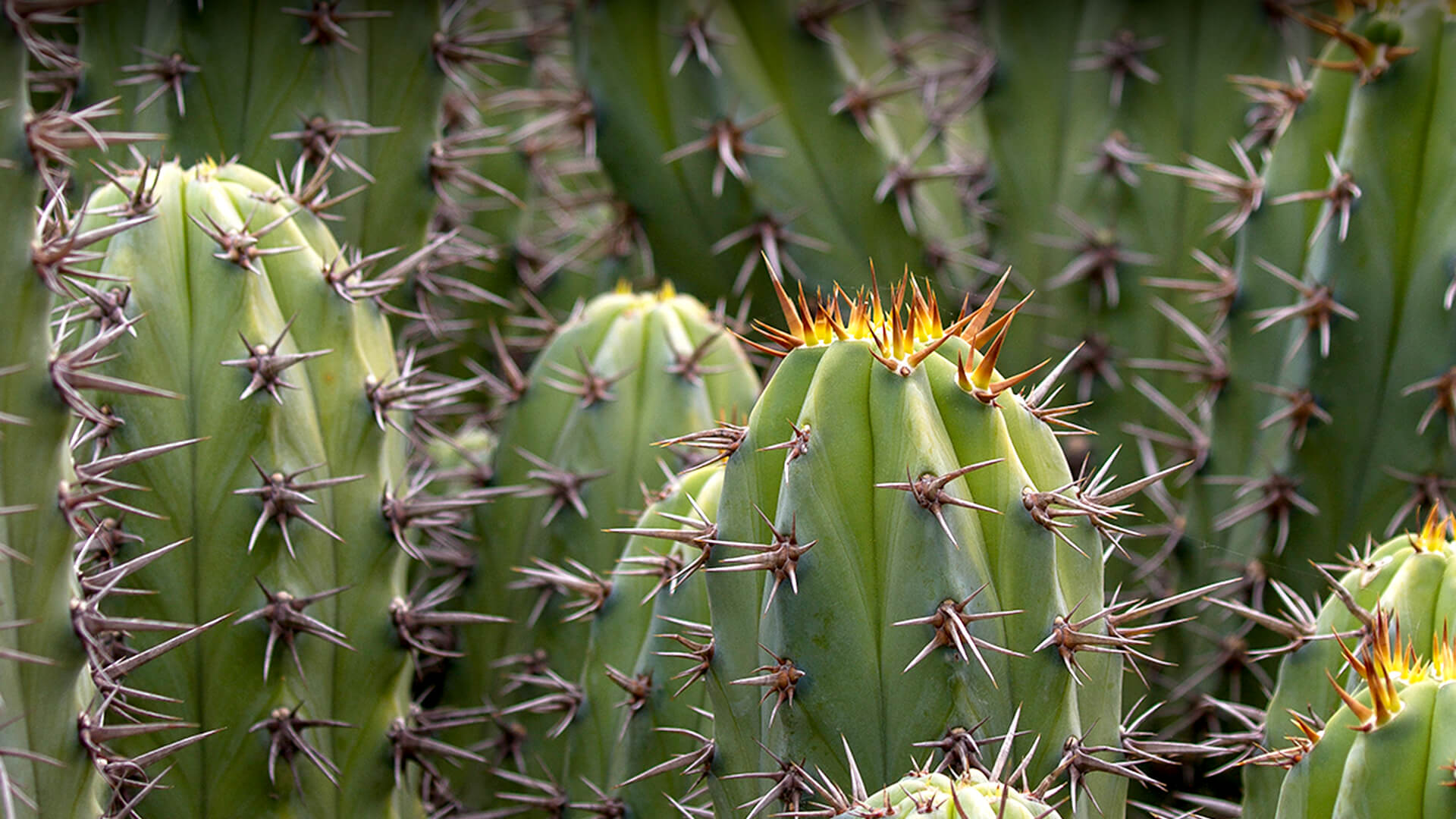
Cleistocactus, belonging to the family Cactaceae, is native predominantly to the high-altitude regions of the Andes in South America. These cacti have evolved to thrive in environments ranging from arid deserts to mountainous terrain. Typically characterized by their elongated, slender stems covered with dense spines, Cleistocactus species exhibit an elegant vertical growth habit that can reach impressive heights. Unlike many other cacti, their flowers are often partially enclosed in green or colored bracts, which protect their tubular blooms and give the genus its name — from the Greek “kleistos,” meaning closed.

Cleistocactus strausii: The Golden Rat Tail of the Andes
One of the most popular and visually arresting members of this genus is Cleistocactus strausii, affectionately known as the Golden Rat Tail Cactus. This species mesmerizes with its dense coat of silvery-white spines that shimmer in sunlight, creating an almost ethereal aura. The stems can grow over three feet tall, often forming spectacular clusters or cascading columns when grown in hanging containers. Come spring, it puts forth vivid coral-red tubular flowers that peek out like delicate flames among the silvery spines. This species thrives in bright light and well-drained soil, demanding minimal water — perfect for enthusiasts eager to embrace xeriscaping.

Cleistocactus winteri: The Golden Rat Snake’s Vibrant Cousin
Another showpiece among desert aficionados is Cleistocactus winteri, distinct for its golden-yellow spines and an elegant architectural form. This species contrasts beautifully with its cousin, offering warmer hues and a more compact growth habit. Its flowers are equally stunning — bright orange and crimson tubes that attract hummingbirds and pollinators, adding a dynamic, living element to any garden or interior display. The spines form tight, almost bristly ridges along the stems, providing a fascinating tactile texture to this living sculpture.
Floral Phenomena: The Unique Blooms of Cleistocactus
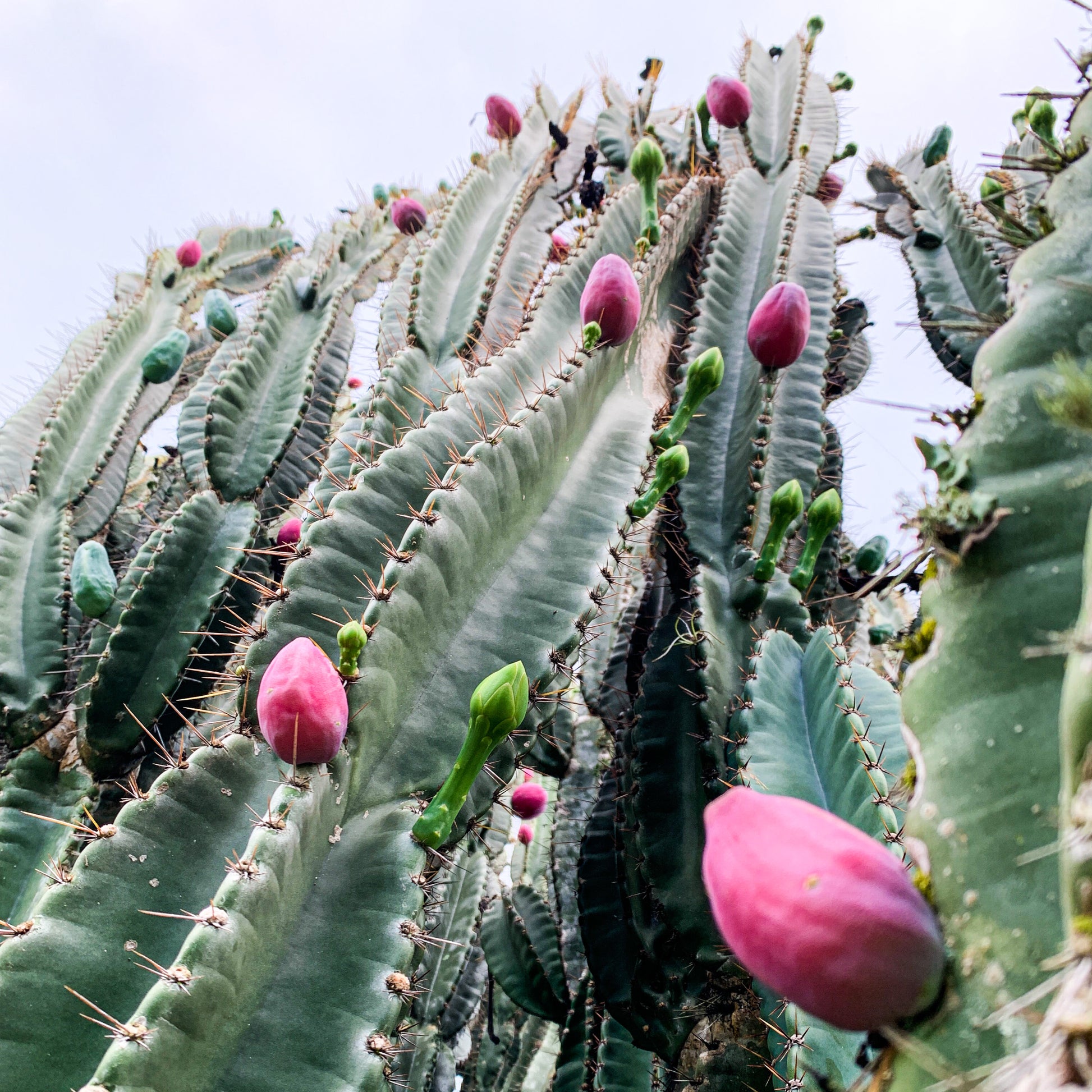
Cleistocactus flowers are not only eye-catching but biologically intriguing. Unlike many cacti that open their blossoms widely, Cleistocactus flowers remain partially closed, an adaptive trait that shields their delicate reproductive parts from harsh Andean winds and desiccation. These long, tubular flowers range in colors from fiery reds, luminous oranges, and vivid pinks to subtle yellows and whites, often with gradations of darker tips or striped throats. Their nectar-rich blooms provide essential sustenance for high-altitude hummingbirds, cementing an ecological partnership that fascinates botanists and birdwatchers alike.
Cultivation Tips: Growing Cleistocactus with Success
Growing Cleistocactus is a rewarding endeavor for gardeners willing to meet their specific needs. They require a sunny locale, where bright, direct light mimics their native Andean habitat. Soil should be gritty and well-draining, enriched with mineral content but devoid of excessive organic matter to prevent water retention. Overwatering is the nemesis of all cacti, and Cleistocactus is no exception; allowing the soil to dry thoroughly between watering cycles is crucial. During winter dormancy, water sparingly to avoid root rot. These plants benefit from occasional fertilization during the growing season with a cactus-specific blend that promotes flowering and healthy spine formation.
Landscape and Indoor Uses: Versatility of Cleistocactus
The architectural allure of Cleistocactus makes them versatile in design applications, from xeriscaped gardens to modern indoor settings. In landscapes, they serve as vertical accent pieces or living hedges, especially when grouped in clusters. Their spiny sculptures contrast dramatically with smooth-leaved succulents and flowering perennials, creating stunning textural interplay. Indoors, slender pots or hanging baskets showcase their cascading stems gracefully, with their fiery flowers providing a surprising pop of color in winter months. Their low-maintenance nature and striking silhouette also make them excellent candidates for offices or minimalist interiors seeking a bold green statement.
Propagation and Care: Ensuring Longevity
Propagation of Cleistocactus typically occurs through stem cuttings, which root readily when placed in dry, sandy soil with intermittent moisture. Seed propagation is possible but requires patience and attention to humidity and temperature. Regular inspection for pests such as mealybugs or spider mites protects their pristine appearance. Pruning can help maintain desired shapes and encourage new growth, though it should be done carefully to avoid damaging the delicate spiny epidermis. With proper cultural care, Cleistocactus can live for many years, becoming treasured heirlooms carried through generations of plant enthusiasts.
Conservation and Ecological Importance
Many Cleistocactus species face threats in the wild from habitat destruction and climate change, underscoring the importance of responsible cultivation. Their role in Andean ecosystems is vital; by providing nectar and shelter to native pollinators, they contribute to the maintenance of biodiversity in fragile high-altitude environments. Conservation programs and botanical gardens worldwide cultivate these species, ensuring genetic diversity and fostering awareness of their ecological significance. Enthusiasts can contribute positively by sourcing plants ethically and participating in seed exchanges that support sustainable propagation.
Embracing Cleistocactus species means more than adding a plant to a collection; it is a journey into a world where nature’s artistry meets evolutionary resilience. Their statuesque forms, delicate flowers, and ecological roles paint a vivid portrait of desert beauty that captivates the heart and nurtures the soul.
FAQ
What are the main characteristics of Cleistocactus species?
Cleistocactus species are known for their slender, columnar shapes, vibrant tubular flowers, and adaptations to high-altitude environments.
How do you care for Cleistocactus?
Cleistocactus requires bright light, well-drained soil, and minimal watering to thrive, especially during its winter dormancy.


Leave a Reply