

Short Answer
What if the key to urban sustainability wasn’t hidden in towering skyscrapers or electric vehicles, but in the humble, spiky sentinels of the desert? Cacti—those prickly, resilient plants that thrive where others wither—might just hold the blueprint for greener, more livable cities. In an era where concrete jungles choke under the weight of carbon footprints, could these desert dwellers teach us how to cultivate urban ecosystems that breathe, adapt, and flourish? Let’s dig into the prickly paradox of cacti in urban sustainability, where their thorns might just be the gentlest solution to our greenest challenges.
The Thorny Architects of Urban Resilience
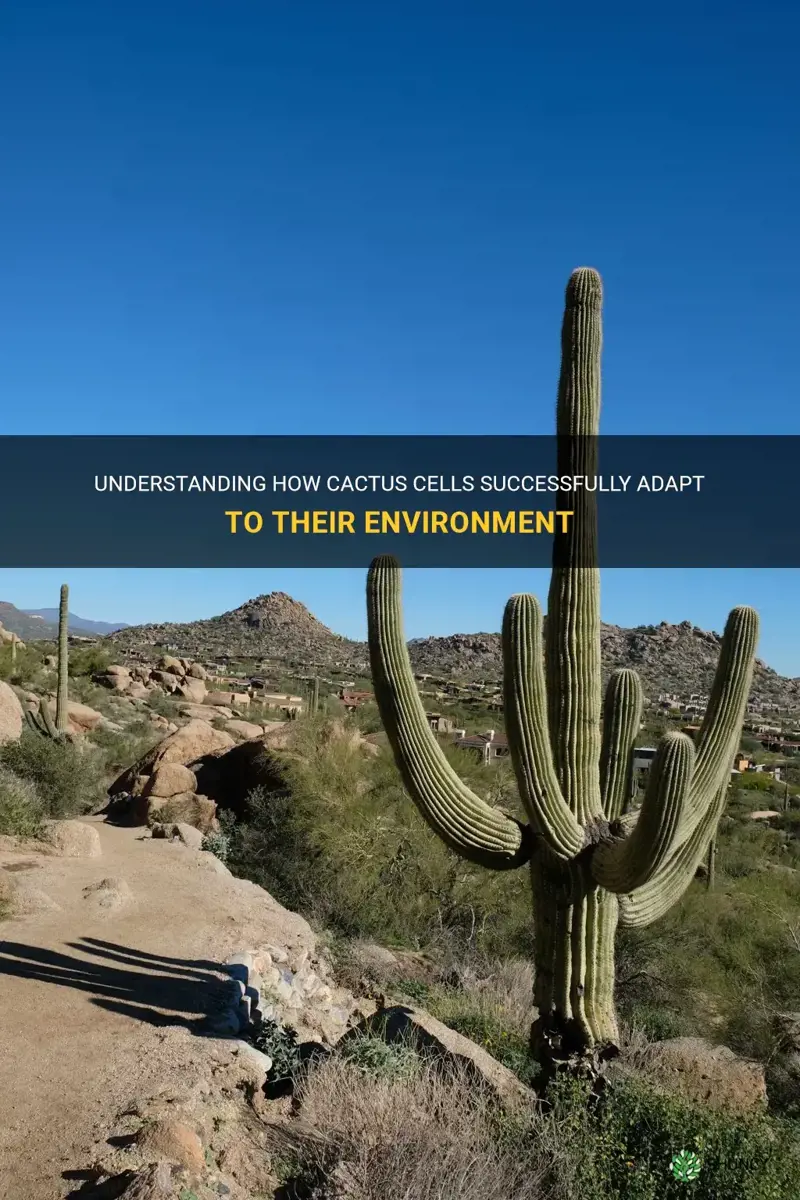
Cacti are the original minimalists, thriving in environments where water is a luxury and sunlight is a relentless taskmaster. Their ability to store water in swollen stems, their waxy skins that minimize evaporation, and their deep, sprawling roots that anchor them in arid soils make them nature’s unsung engineers of efficiency. In urban landscapes, where heat islands bake asphalt into submission and droughts parch even the hardiest of plants, cacti offer a masterclass in resilience. Imagine replacing thirsty lawns with cactus gardens—low-maintenance, drought-proof, and teeming with biodiversity. These spiky survivors don’t just endure; they redefine what it means to thrive in adversity.
But here’s the playful paradox: while cacti are champions of water conservation, their prickly exteriors pose a challenge. How do we integrate them into urban spaces without turning sidewalks into obstacle courses? The answer lies in strategic placement—think rooftop gardens where their spines can deter pests, or vertical green walls where their architectural forms create living art. The key is to harness their strengths while mitigating their drawbacks, turning potential liabilities into assets. After all, even the most resilient species need a little finesse to coexist with human habitats.
Photosynthesis Reimagined: Cacti as Carbon Capturers
Most plants open their stomata—those tiny pores for gas exchange—during the day, but cacti flip the script. They perform a specialized form of photosynthesis called CAM (Crassulacean Acid Metabolism), where they open their stomata at night to absorb carbon dioxide, storing it as malic acid until daylight. This ingenious adaptation allows them to conserve water while still capturing carbon, a trait that’s invaluable in urban settings where air quality is often compromised. By integrating cacti into green infrastructure, cities could tap into this nocturnal carbon-capturing prowess, turning sidewalks and medians into unexpected carbon sinks.
Yet, the challenge here is scale. While a single cactus might not make a dent in a city’s carbon emissions, imagine entire green corridors lined with these succulent sentinels. Their collective impact could be substantial, especially when paired with other drought-resistant flora. The trick is to design urban landscapes that mimic the biodiversity of natural ecosystems, where cacti coexist with native grasses and wildflowers, creating a tapestry of resilience. It’s not just about planting a few spiky specimens; it’s about reimagining the urban ecosystem from the ground up.
Urban Heat Island Mitigation: The Cooling Power of Prickles
Cities are notorious heat traps, where concrete and asphalt absorb and radiate heat, turning streets into ovens. Traditional greening solutions like trees and shrubs help, but they often require vast amounts of water—a luxury in water-scarce regions. Enter the cactus, a plant that thrives in the very conditions that bake cities. Their ability to reflect sunlight with their waxy coatings and their minimal water needs make them ideal candidates for urban cooling. By incorporating cacti into green roofs, living walls, and even parking lot islands, cities could create microclimates that shave off precious degrees from the urban heat island effect.
But the real magic happens when cacti are part of a larger, layered approach. Pair them with reflective pavements, permeable surfaces, and strategically placed water features, and you’ve got a recipe for urban cooling that’s as efficient as it is elegant. The challenge, however, lies in public perception. Many associate cacti with barren deserts rather than vibrant urban spaces. Overcoming this bias requires education and design innovation—showcasing cacti not as outliers, but as integral players in the urban ecosystem. After all, beauty is in the eye of the beholder, and a well-designed cactus garden can be as striking as any traditional garden.
Biodiversity Boosters: Cacti as Urban Wildlife Havens
Urban biodiversity is often an afterthought, with cities prioritizing concrete over critters. Yet, cacti can serve as unexpected sanctuaries for pollinators, birds, and even small mammals. Their flowers attract bees and butterflies, their spines provide shelter for insects, and their fruits offer sustenance for urban wildlife. In a world where pollinators are in decline, cacti could become the unsung heroes of urban biodiversity, creating pockets of life in otherwise sterile environments. Imagine a city where every rooftop garden is a mini-ecosystem, buzzing with the activity of bees and the flutter of wings.
The challenge here is ensuring that these urban cactus havens are more than just decorative. They need to be part of a connected green infrastructure, where corridors of vegetation link parks, gardens, and green roofs. This requires collaboration between urban planners, ecologists, and community groups to design spaces that are both functional and beautiful. It’s not just about planting a few cacti; it’s about creating a network that supports life at every level, from the smallest insect to the urban dweller seeking respite from the concrete jungle.
The Social Sprout: Engaging Communities in Cactus Cultivation
Sustainability isn’t just about plants; it’s about people. Cacti offer a unique opportunity to engage communities in urban greening projects. Their low-maintenance nature makes them accessible to even the busiest urbanites, while their striking forms spark curiosity and conversation. Community gardens, school projects, and public art installations featuring cacti can foster a sense of ownership and pride in urban green spaces. Imagine a neighborhood where every resident tends to a cactus garden, watching as their collective efforts transform a once-barren lot into a thriving oasis.
Yet, the challenge lies in inclusivity. Not everyone has the space or resources to cultivate cacti at home. This is where public initiatives come into play—workshops on cactus care, urban greening programs, and partnerships with local nurseries can democratize access to these resilient plants. The goal is to make cactus cultivation as ubiquitous as tomato growing, a shared activity that binds communities together while greening the city. After all, sustainability isn’t a solo endeavor; it’s a collective journey where every prickly leaf and every tiny flower plays a part.
Conclusion: A Spiky Path to Greener Cities
Cacti might seem like unlikely heroes in the quest for urban sustainability, but their resilience, adaptability, and multifaceted benefits make them invaluable allies. From carbon capture to heat mitigation, from biodiversity boosts to community engagement, these desert dwellers offer a blueprint for cities that are not just green, but truly sustainable. The challenge, then, is to rethink our relationship with these prickly plants—to see them not as oddities, but as essential components of the urban ecosystem. So, the next time you pass a cactus on a city sidewalk, take a moment to appreciate its quiet strength. After all, in the concrete jungle, sometimes the most sustainable solutions are the ones that refuse to bend.
FAQ
How do cacti contribute to urban sustainability?
Cacti help in urban sustainability by conserving water, improving air quality through carbon capture, and providing habitats for urban wildlife.
What are some benefits of integrating cacti into urban landscapes?
Benefits include reduced water needs, lower urban heat, increased biodiversity, and opportunities for community engagement.



Leave a Reply