

Short Answer
Imagine standing in the heart of a sun-scorched desert, where the air shimmers with heat and the ground is a mosaic of cracked earth. Amidst this arid expanse, a silent revolution unfolds—one that has been centuries in the making. The cactus, a plant so resilient it defies the very notion of scarcity, is not merely surviving; it is evolving, adapting, and redefining the boundaries of botanical ingenuity. From the towering saguaros that punctuate the Arizona skyline to the diminutive, jewel-like mammillarias nestled in Mexican crevices, the cactus family is a testament to nature’s unparalleled creativity. But what if we told you that the story of these spiny wonders is far more intricate, far more fascinating, than the textbooks let on? Buckle up, because we’re about to embark on a journey through the evolutionary odyssey of cactus genera—a saga of transformation that promises to shift how you see these prickly survivors forever.
The Dawn of the Cactaceae: A Family Born from Scarcity
The Cactaceae family did not emerge in a vacuum. Its origins trace back to the Late Cretaceous period, a time when Earth’s climate was a far cry from the arid landscapes we associate with cacti today. Yet, as the continents drifted and climates shifted, a crucible of adversity forged these plants into the icons of drought they are now. The earliest cacti were likely leafy, woody shrubs, thriving in the understory of tropical forests. But as global temperatures plummeted and rainfall patterns grew erratic, a radical metamorphosis began. Leaves shrank into spines, stems swelled into water reservoirs, and a symbiotic relationship with mycorrhizal fungi evolved to extract every drop of moisture from the parched soil. This was not mere adaptation—it was a full-blown reinvention of plant architecture, a survival strategy so effective it would echo through millennia.
The transition from mesic to xeric environments was not instantaneous but a gradual, iterative process. Fossil records, though sparse, hint at transitional forms—plants that were neither fully cactus nor entirely conventional. These “proto-cacti” serve as a reminder that evolution is not a straight line but a labyrinth of trial, error, and serendipity. The Cactaceae family’s ability to pivot from lush canopies to skeletal silhouettes underscores a fundamental truth: scarcity breeds innovation. And in the case of cacti, innovation took the form of a plant that could outlast droughts, outmaneuver predators, and outshine competitors.
The Spine: More Than Just a Defensive Arsenal
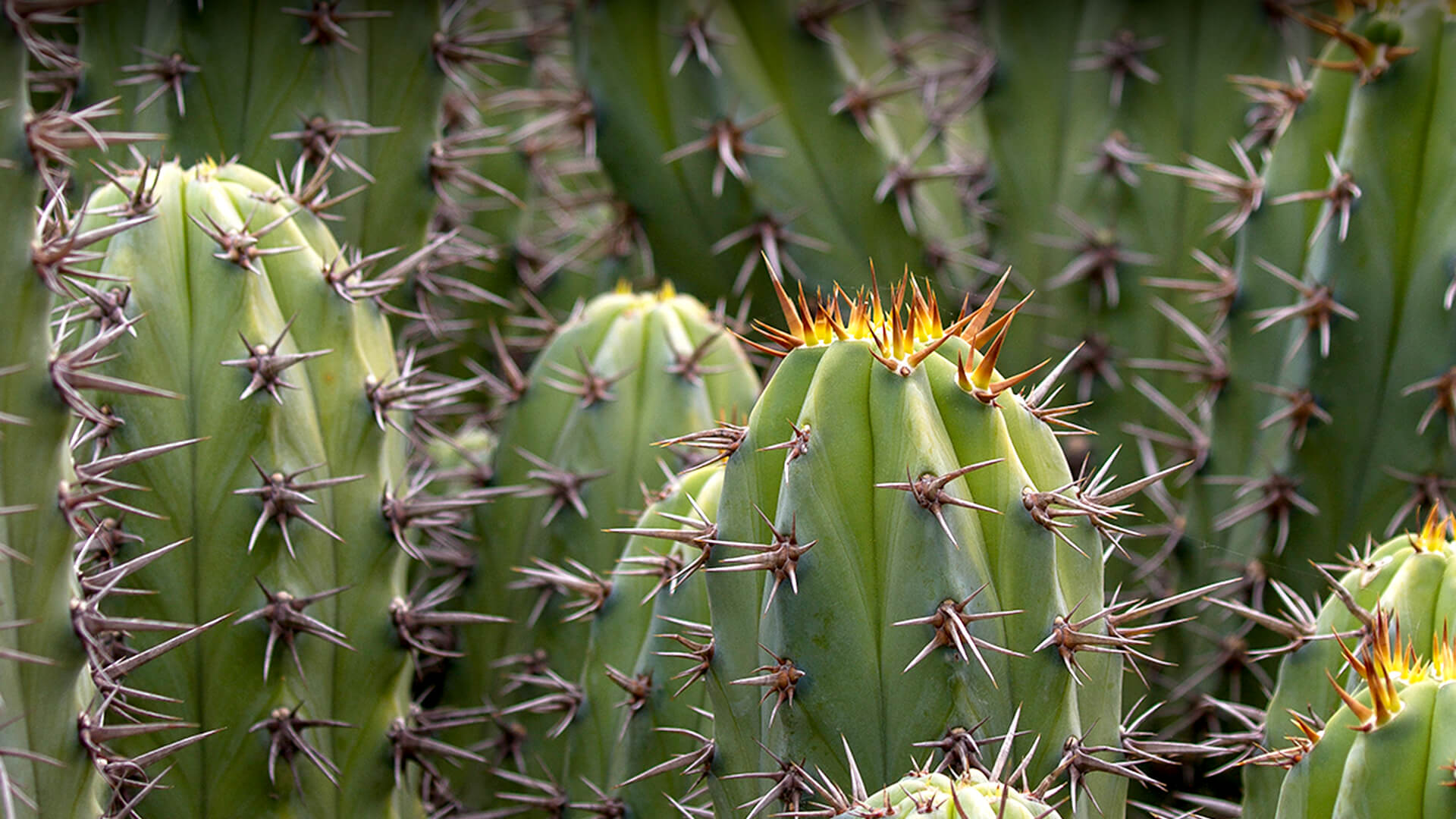
To the untrained eye, the spines of a cactus are little more than a deterrent—a prickly warning to would-be grazers. But delve deeper, and you’ll uncover a multifunctional marvel, a Swiss Army knife of botanical adaptations. Spines are not merely static structures; they are dynamic, performing roles as diverse as their shapes. Some, like the needle-like glochids of the prickly pear, are barbed, embedding themselves in flesh to deter predators with a vengeance. Others, such as the flattened, leaf-like spines of the cholla, create microclimates that shield the stem from the sun’s scorching rays while funneling scarce moisture toward the roots.
But the spine’s repertoire doesn’t end there. In species like the barrel cactus, spines double as radiators, dissipating heat to prevent the plant from overheating. Meanwhile, in the night-blooming cereus, spines may even play a role in attracting pollinators, their reflective surfaces catching the moonlight like tiny mirrors. This versatility is a testament to the cactus’s evolutionary pragmatism. Every spine, every bump, every groove is a calculated response to an environmental challenge. It’s a reminder that in the world of cacti, even the smallest features are part of a grand, interconnected strategy for survival.
The Stem: A Water-Storing Titan
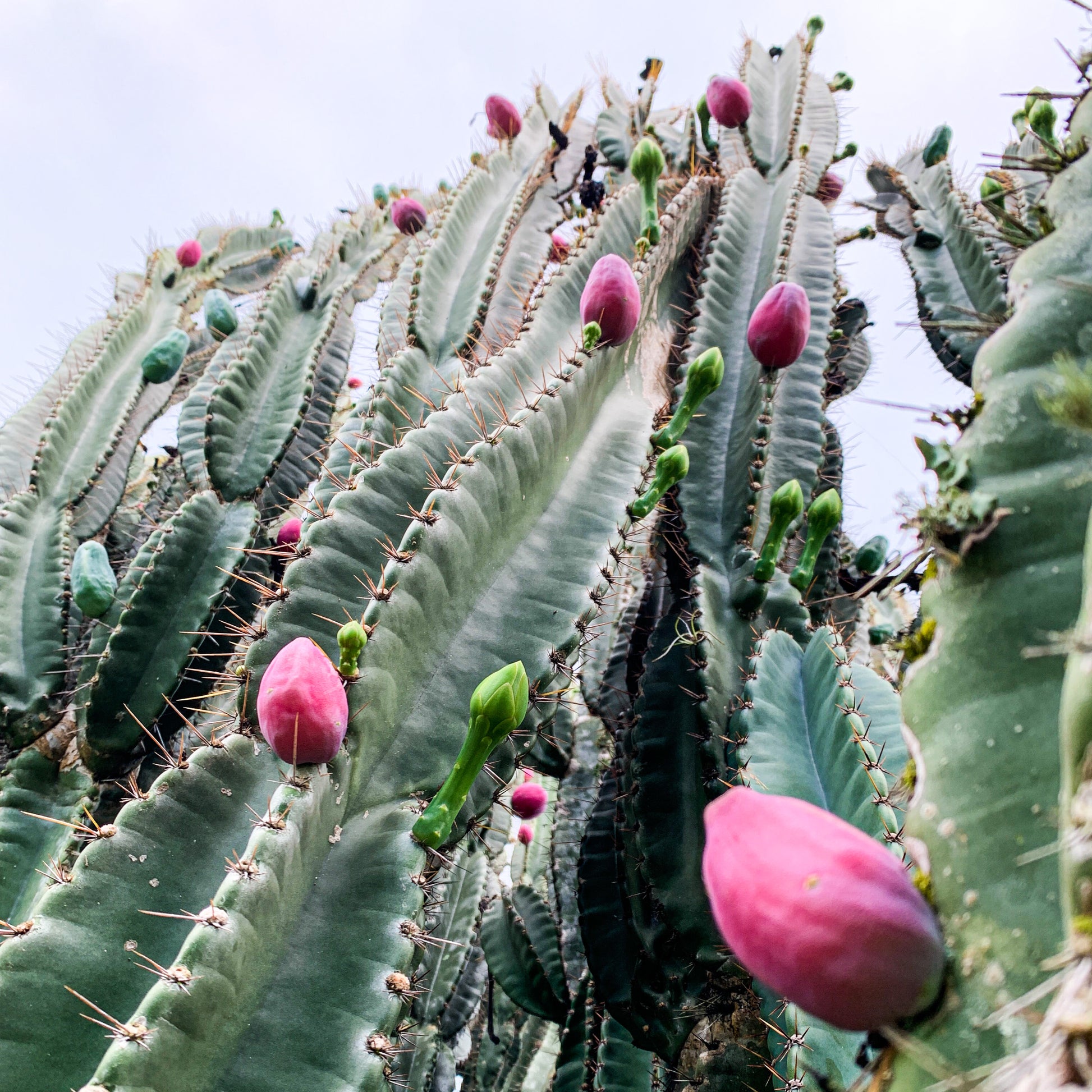
If spines are the cactus’s first line of defense, the stem is its lifeline—a swollen, succulent reservoir that defies the laws of water conservation. Unlike most plants, which wilt at the first sign of dehydration, cacti thrive in aridity by storing water in their stems, often in quantities that boggle the mind. The saguaro, for instance, can hoard up to 200 gallons of water in its ribbed columns, a feat that allows it to endure years of drought without so much as a sip. This water storage isn’t just about quantity; it’s about architecture. The accordion-like ribs of the saguaro expand and contract with the ebb and flow of moisture, a hydraulic dance that minimizes stress on the plant’s delicate tissues.
But the stem’s ingenuity doesn’t stop at storage. In species like the totem pole cactus, the stem is a vertical fortress, its ridges and grooves creating microhabitats for insects and small reptiles. In others, such as the fishhook cactus, the stem’s shape is a tactical adaptation, allowing it to wedge itself into rock crevices where moisture lingers. The stem is, in essence, a living sponge—one that absorbs not just water but also the essence of resilience. It’s a structure that whispers of a time when plants learned to turn scarcity into abundance, and in doing so, redefined what it means to be a survivor.

The Root: An Invisible Network of Tenacity
Beneath the desert floor, a hidden world thrives—one that is as critical to the cactus’s survival as the stem above. The root systems of cacti are a study in efficiency, designed to extract every ounce of moisture from the soil while minimizing water loss. In species like the prickly pear, shallow, widespread roots spread like a spider’s web, capturing the briefest of rains before they can evaporate. In others, such as the hedgehog cactus, deep taproots plunge into the earth, tapping into groundwater reserves that lie far below the surface. But the most ingenious adaptation of all is the cactus’s ability to enter a state of dormancy during prolonged droughts, halting growth and conserving energy until conditions improve.
This root-level pragmatism extends to symbiotic relationships as well. Many cacti form partnerships with mycorrhizal fungi, which extend their reach into the soil, accessing nutrients that would otherwise be out of reach. In return, the cactus provides the fungi with carbohydrates, a mutualistic exchange that underscores the interconnectedness of desert life. The root, then, is not just a lifeline—it’s a lifeline network, a subterranean highway that connects the cactus to its environment in ways that are as complex as they are vital.
The Flower: A Fleeting Masterpiece of Evolution
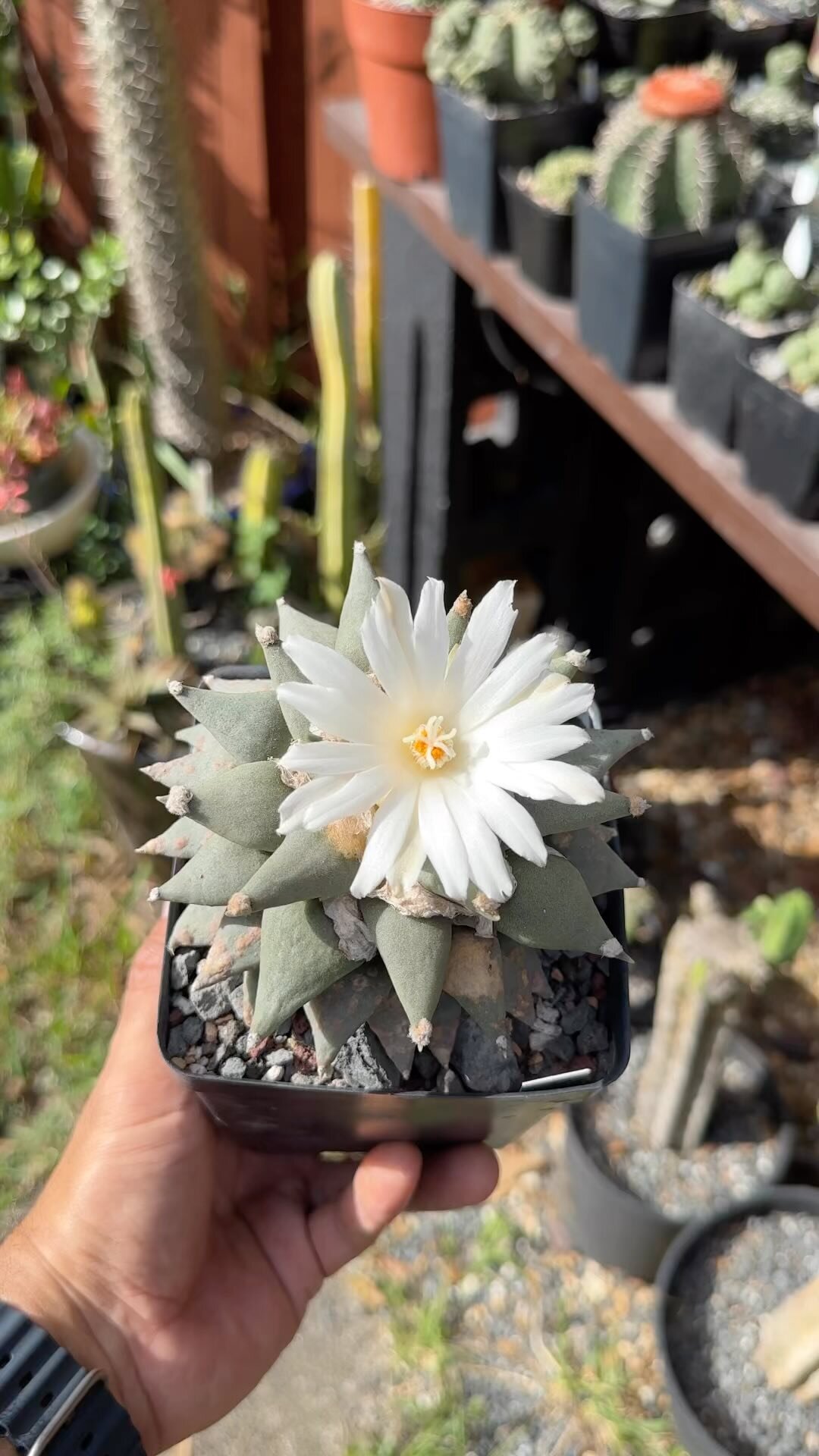
If the cactus’s spines and stems are its armor, its flowers are its soul—a fleeting, vibrant display of life that defies the harshest of environments. Cactus flowers are not mere adornments; they are masterpieces of evolutionary engineering, each petal, each stamen, each nectar gland a testament to the plant’s ability to coax life from adversity. The timing of their bloom is a marvel of precision. Many species, like the night-blooming cereus, unfurl their petals only under the cover of darkness, when the air is cooler and pollinators like moths are most active. Others, such as the claret cup cactus, burst into color at dawn, their vivid hues attracting bees and hummingbirds in a desperate race against the midday heat.
But the flower’s role doesn’t end with pollination. In some species, such as the dragon fruit cactus, the flower is a temporary home for pollinators, offering shelter and sustenance until the job is done. In others, the flower’s structure is a trap, ensnaring insects that unwittingly aid in the plant’s reproduction. This floral ingenuity is a reminder that even in the most inhospitable of environments, life finds a way to flourish. The cactus flower is not just a symbol of beauty; it’s a declaration of defiance—a splash of color in a landscape that seems determined to drain the world of life.

The Future: Cacti in a Changing World
As the planet warms and deserts expand, the cactus’s story is far from over. In fact, it’s entering a new chapter—one that will test its resilience in ways its ancestors never imagined. Climate change is reshaping the landscapes cacti call home, pushing some species to the brink of extinction while others adapt with alarming speed. The saguaro, for instance, is facing a crisis as rising temperatures disrupt its delicate reproductive cycle. Meanwhile, invasive species and habitat destruction are chipping away at the biodiversity that has sustained cacti for millennia.
Yet, there is hope. Conservation efforts are underway to protect these botanical treasures, from seed banks that preserve genetic diversity to restoration projects that reclaim degraded lands. Scientists are also exploring the cactus’s potential as a model for sustainable agriculture, studying its water-use efficiency to develop crops that can thrive in arid conditions. The cactus, it seems, is not just a survivor—it’s a teacher, a guide, a beacon of what’s possible when life refuses to surrender to adversity.
So the next time you encounter a cactus, whether in the wild or in a sunlit windowsill, take a moment to appreciate the story it tells. It’s a story of transformation, of adaptation, of an unyielding will to thrive against all odds. And it’s a story that’s still being written—one spine, one stem, one flower at a time.
FAQ
What is the Cactaceae family?
The Cactaceae family consists of succulent plants known as cacti, adapted to survive in arid environments.
How do cacti conserve water?
Cacti store water in their thick, fleshy stems and have specialized root systems to maximize moisture absorption.
What role do spines play in cacti?
Spines serve multiple purposes, including deterring herbivores, providing shade, and aiding in water conservation.

Leave a Reply